Bangladesh garment factories close as power cuts, shortages deepen crisis
Power cuts, gas shortages and raw-material bottlenecks have pushed Bangladesh’s garment sector into a fresh round of closures, with output down as much as 30%.

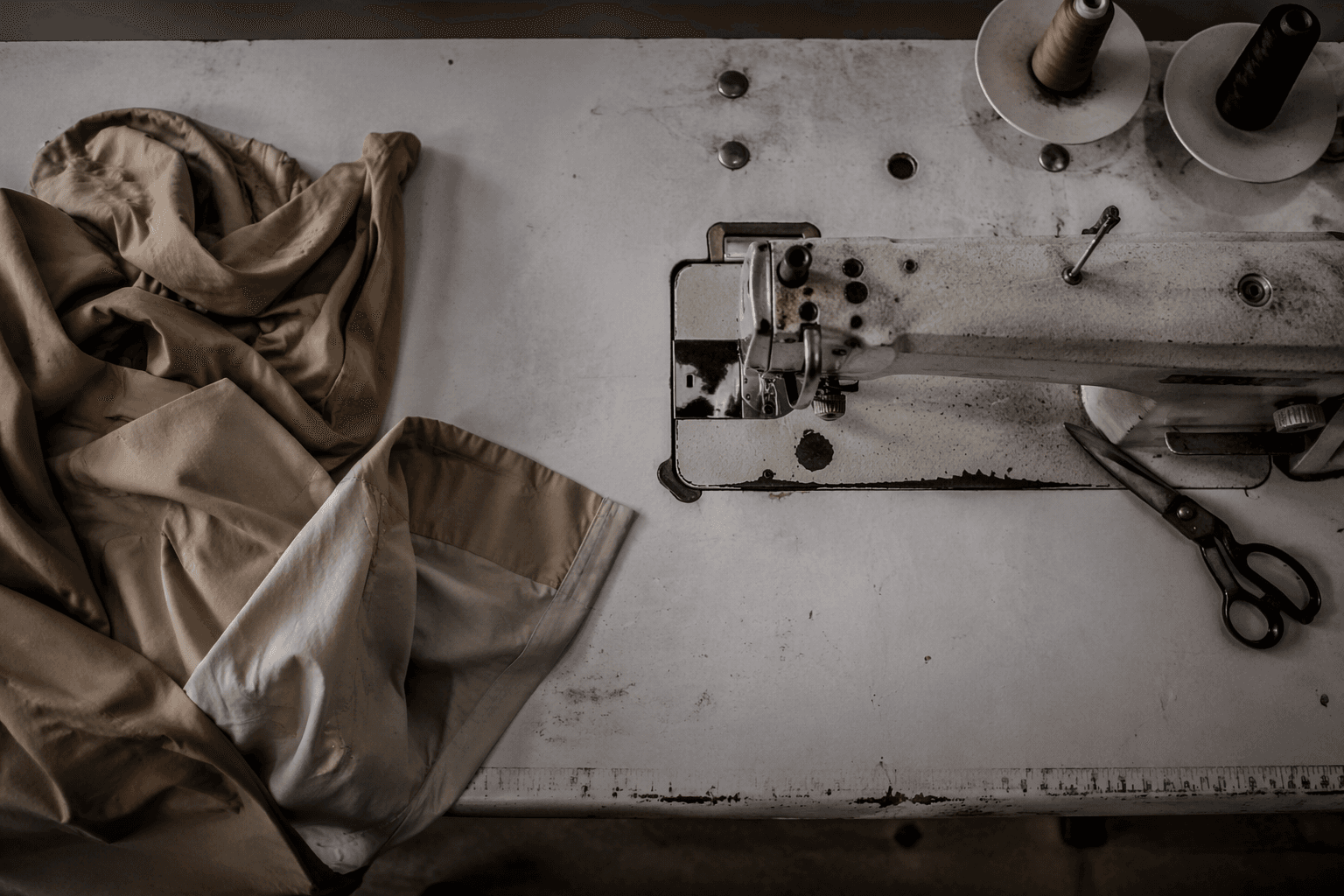
Bangladesh’s garment factories are shutting their gates as gas and electricity shortages cut output by 25 to 30 percent, leaving sewing floors idle and export schedules slipping. In May, power cuts in and around Dhaka averaged about two hours a day, while blackouts in Chattogram stretched to eight hours; industry sources said production fell nearly 30 percent between February and May.
The pressure is no longer just about lost orders. BGMEA-linked reporting says the crisis has widened into a working-capital squeeze, with many factories unable to open letters of credit to import fabric, trims and other raw materials. That makes the sector’s weak points plain: finance, utilities, access to inputs and political stability are all hitting the same production calendar at once. A June report said more than 9,000 garment workers had already lost their jobs as fuel shortages and falling orders squeezed businesses, and Al-Muslim Group reportedly sacked nearly 1,900 workers on June 6.
The closures are not scattered. BGMEA-linked reporting counted 353 factory shutdowns across Savar, Gazipur, Chattogram, Narayanganj and Narsingdi in the 14 months to late 2025, a wave that left 119,842 workers jobless. Savar accounted for 214 of those closures and Gazipur for 72, a concentration that underscores how quickly one region’s infrastructure stress can ripple through the supply chain. BGMEA export data also show how central the industry remains: Bangladesh’s apparel exports reached $39.34697 billion in fiscal year 2024-25, even as the sector absorbed one shock after another.
The policy fight is sharpening alongside the operational one. The Bangladesh Labour Law (Amendment) Ordinance 2025 has intensified debate over shutdowns, with officials arguing that closing non-compliant factories is necessary for sustainable development. BGMEA president Mahmud Hasan Babu has warned, “We are going through uncertainty,” while labor leaders including Kalpana Akter and Jolly Talukder say layoffs and restricted union rights are deepening worker distress. Former BKMEA president Fazlul Hoque has blamed weak global demand and domestic political instability, saying big buyers will not place orders amid uncertainty.
That uncertainty arrives just as Bangladesh prepares to graduate from Least Developed Country status on 24 November 2026. Some assessments warn the country could lose up to $8 billion in annual export earnings when preferences lapse, while the European Union has offered a transition period keeping EBA benefits until November 2029. For brands, that means the next sourcing decision is no longer just about price: it is about whether to diversify production away from Bangladesh, or stay and support factories through a far more fragile era, one where AI-based monitoring and automation are beginning to enter the conversation.
This article was produced by Prism’s automated news system from verified source data, official records, and press releases, then run through automated quality and moderation checks before publishing. The system is built and supervised by the people who set the standards it runs under. Read our full AI policy.
Did this article answer your question?


