Bangladesh garment rights improve, but factory safety gaps remain
Union rules got looser on paper, but some registrations still took two years while weak inspections left workers exposed to retaliation and unsafe floors.

Bangladesh has cleaned up parts of its labour law architecture, but the real question is still ugly and practical: can a garment worker organize without getting punished, and can an inspector force a factory to fix a danger before it turns deadly? That is the gap now. The country has changed the rules, but the test is whether those rules bite hard enough on the factory floor.
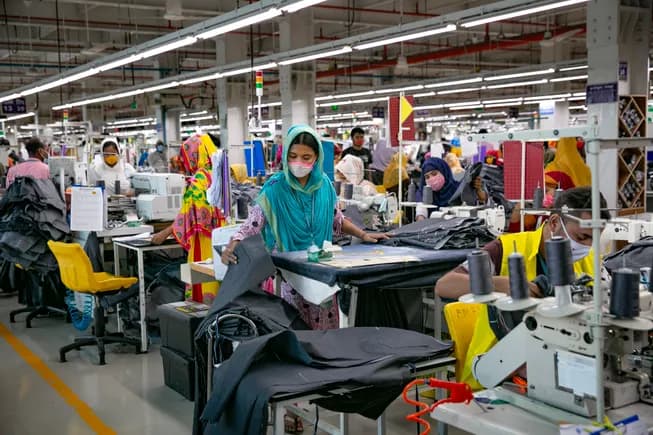
The stakes are enormous. Bangladesh’s ready-made garment sector earned USD 38.48 billion in 2024, provides livelihoods for more than four million workers, most of them women, and generates more than 80% of the country’s export earnings. It is the world’s second-largest exporter of ready-made garments, and buyers in Europe and the United States still rely heavily on its factories. That dependence was forged in fire and concrete after the Rana Plaza collapse in Savar on 24 April 2013, when more than 1,100 people were killed and thousands were injured. The industry’s safety architecture changed after that, as the Bangladesh Accord expanded into the International Accord in September 2021 and inspection functions moved to the RMG Sustainability Council, a tripartite body of brands, unions and factory owners.
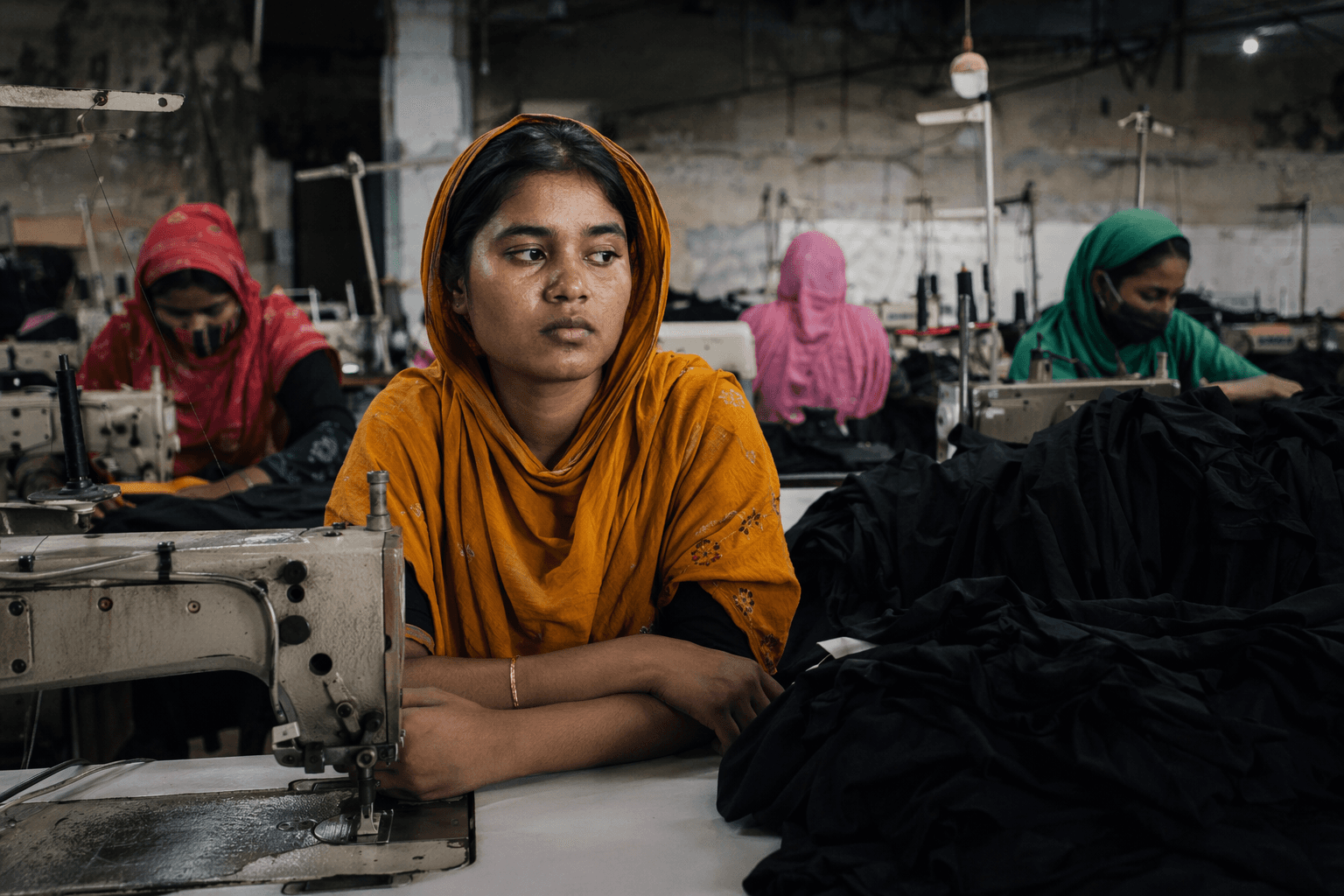
The paper trail is better now, and that matters. The International Labour Organization said Better Work Bangladesh’s decade-long run from 2014 to 2024 improved workplace safety, labour rights and business competitiveness. But IndustriALL Global Union says the country’s 2021 ILO Roadmap was built because Bangladesh had documented failures on freedom of association, labour inspection, anti-union discrimination and labour-law reform, and the government has had to report progress twice a year ever since. On the latest report dated 17 February 2025, IndustriALL said the numbers still looked better than the reality. Some union-registration applications, it said, still stretched far beyond the legal 55-day limit, in some cases taking up to two years.
There has been movement. Bangladesh’s Labour Reform Commission was set up in November 2024 and delivered recommendations in April 2025. The government later gazetted the Bangladesh Labour (Amendment) Ordinance, 2025 on 17 November 2025, lowering the union-registration threshold, extending organizing rights to domestic and agricultural workers, banning blacklisting and setting 120 days of maternity leave. Unions and labour advocates called the changes overdue. Factory owners and industry groups warned of unrest and economic risk.

That is why the next phase matters more than the announcement. Human Rights Watch has argued that social audits and certifications miss the retaliation workers fear most. In Bangladesh, the measure of reform is no longer whether a law was passed. It is whether a worker can actually sign a union card, whether inspectors can shut down a danger, and whether the industry finally trades compliance theatre for force.
This article was produced by Prism’s automated news system from verified source data, official records, and press releases, then run through automated quality and moderation checks before publishing. The system is built and supervised by the people who set the standards it runs under. Read our full AI policy.
Did this article answer your question?