Belize turns invasive sargassum into sustainable textile fiber
Belize is trying to spin beach-choking sargassum into textile fiber, with local residents trained to harvest it and a bigger bet on jobs, cleaner coasts, and raw material income.
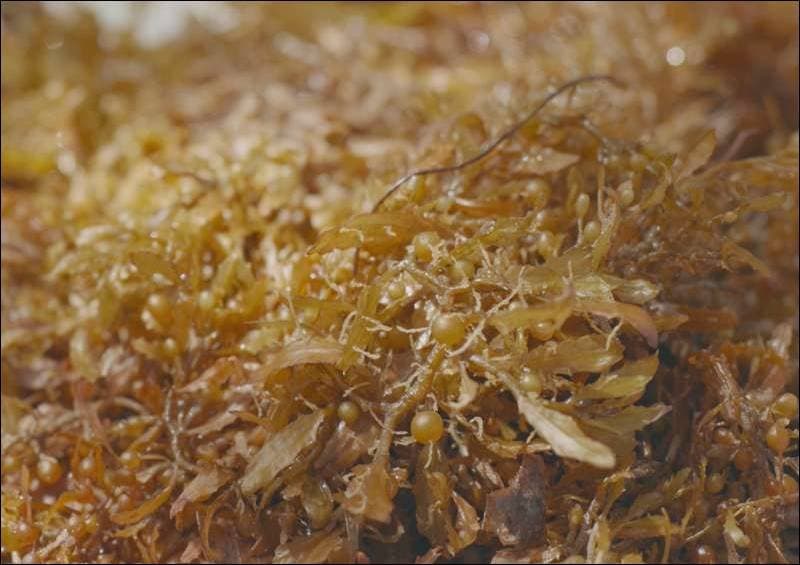
Belize’s most annoying summer fixture is suddenly being treated like feedstock. Black in Marine Science and the Black Fiber & Textile Network have joined forces to turn invasive sargassum into textile fiber through Bloom to Business, a Belize-based initiative that trains local residents to collect and process the seaweed before it rots on the shore.
The pitch has real coastal logic. BIMS operates across 34 countries, and bftn says its network includes more than 70 Black-owned businesses working in regenerative fibers, plant dyes, and sustainable textiles. In Belize, Bloom to Business has already tested other sargassum uses, including fertilizer, artwork, and sand-supplement solutions for beach erosion. The new textile push is meant to do more than sound clever on a slide deck. BIMS says it is aimed at environmental relief, workforce development, cleaner coastal spaces, and new economic opportunities for local communities, residents, visitors, tourism, and wildlife.
The timing matters because Belize is already in active defense mode. The National Sargassum Task Force launched on January 21, 2026, and it is co-chaired by the Ministry of Tourism, Youth, Sports and Diaspora Relations and the Ministry of Blue Economy and Marine Conservation. Its priority coastline includes Ambergris Caye, Caye Caulker, Seine Bight, Hopkins, and Placencia, the places where sargassum can hit hardest and fastest. On June 1, Belize’s National Meteorological Service warned that a few more mats could drift ashore and cause moderate impacts on beaches across the country. By June 3, the government said it was still coordinating national response efforts as regional activity increased.

That urgency is part of the bigger story. The Inter-American Development Bank says sargassum influxes have created major socio-economic problems across the Caribbean and West Africa since 2011, and it notes that products made from the seaweed are now being marketed regionally and internationally. Its list runs well beyond fashion: clothing, bioplastics, biogas, construction materials, cosmetics, compost, liquid extracts, and biofertilizers. Textile fiber is only one lane, but it is the lane fashion cares about most.
There is precedent here too. A 2023 Caribbean Regional Fisheries Mechanism and Plant & Food Research project pushed prototype products and commercialization strategy, with job creation built into the brief. That is the real test for Belize now. If sargassum can become steady income for harvesters and a usable raw material for mills and brands, the coastline gets cleaner and the supply chain gets a little less extractive. If not, it stays a promising pilot with good branding and not enough volume.
This article was produced by Prism’s automated news system from verified source data, official records, and press releases, then run through automated quality and moderation checks before publishing. The system is built and supervised by the people who set the standards it runs under. Read our full AI policy.
Did this article answer your question?


