Best Affordable Sustainable Fashion Brands to Shop in 2026
Sustainable fashion doesn't have to cost a fortune — these 30+ verified brands prove ethical dressing is accessible in 2026.
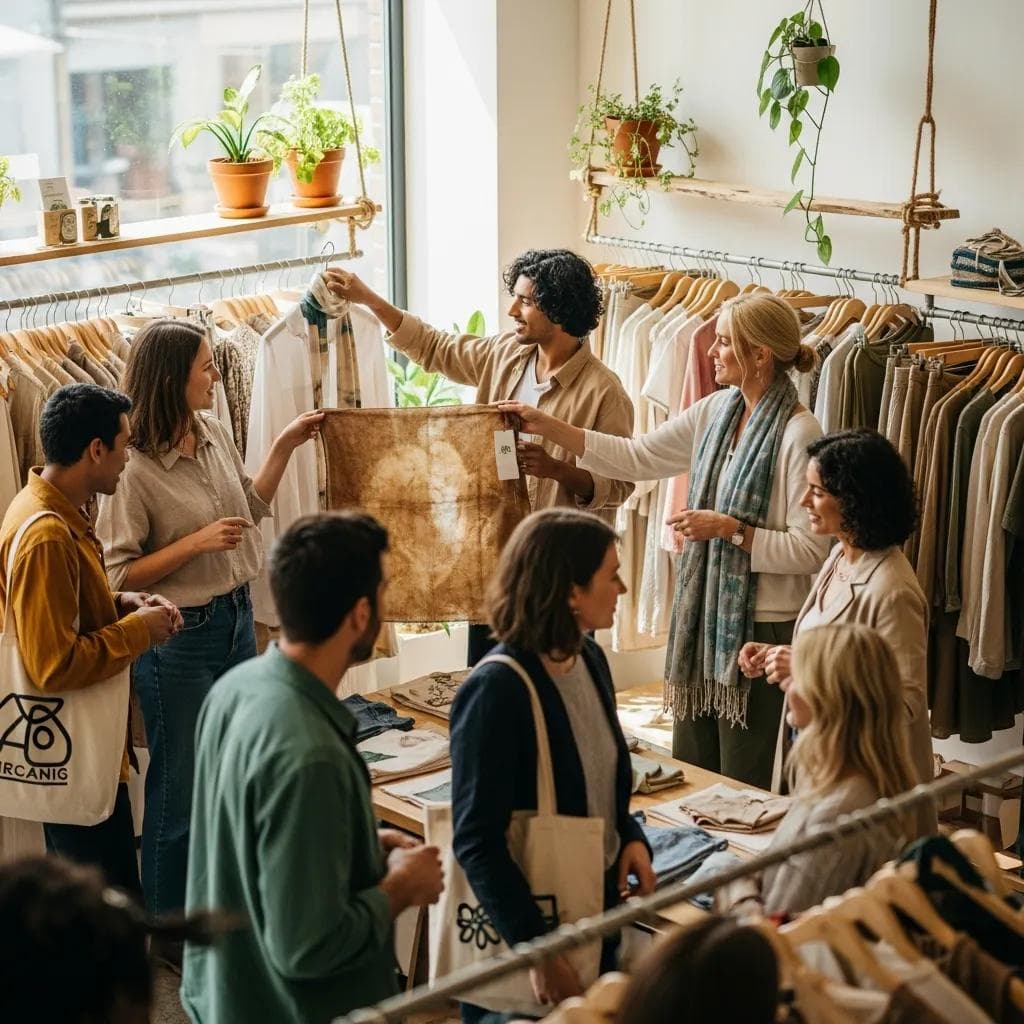
Buying sustainably used to feel like a compromise: either you paid luxury prices or you settled for greenwashing. That calculus has shifted. The brands on this list prove that transparent supply chains, certified organic materials, and genuine circular practices can exist at price points that don't require a second mortgage. Whether you're building a capsule wardrobe from scratch or filling specific gaps, here's every brand worth knowing in 2026, ranked from the most essential to the more specialized.
1. Patagonia
The undisputed anchor of this entire conversation. Patagonia's commitment to recycled materials and environmental activism isn't a marketing angle — it's the operating model. The outerwear and everyday pieces hold up season after season, which is the most honest form of sustainability there is. It consistently ranks among the top eco-friendly brands for women alongside Eileen Fisher and Reformation, and for good reason: durable, ethically produced clothing for outdoor and everyday wear.
2. Everlane
Everlane is the brand that made cost transparency feel normal. Prices run $17 to $328, covering women and men across everyday clothing, denim, outerwear, and shoes in sizes XXS to 3XL. The brand openly breaks down the true cost of every item, detailing what goes toward materials, labor, and transportation, and it works only with factories that guarantee fair wages and safe conditions. Collections include organic cotton, Tencel, and recycled materials, with the ReNew line built from plastic bottles. The "buy less, buy better" philosophy isn't just a slogan — it's the architecture of the entire product line.
3. Reformation
Nobody else in this space has figured out how to make sustainability look this good. Reformation focuses on sustainable fabrics and eco-friendly manufacturing while running carbon reduction initiatives and low-waste production that actually holds up to scrutiny. The womenswear is trend-aware without being trend-dependent, which means the pieces stay relevant past a single season.
4. Eileen Fisher
Eileen Fisher is the circular fashion standard-bearer. The brand prioritizes organic materials and fair labor practices, and its garment take-back and resale programs represent one of the most concrete closed-loop models in mainstream fashion. The silhouettes are intentionally generous and unfussy — wide-leg trousers in washed linen, oversized knits in organic cotton — designed to move through multiple owners without losing their shape or relevance.
5. Quince
Quince operates on the premise that sustainability is "the standard, not a luxury." The brand brings ethical and eco-friendly clothing to accessible price points, covering everything from Mulberry silk tops to cashmere cardigans to sustainably sourced leather bags. It carries BSCI-certified ethical production and OEKO-TEX certification, ships in virgin plastic-free packaging with a shift toward fully compostable packaging underway, and offers carbon neutral shipping. Sizes run XS to 3X, up to US 24, making it one of the more inclusive options at this price tier.
6. Pact
Pact is the budget-friendly workhorse. Every piece is made from 100 percent organic cotton certified by GOTS, and its factories are Fair Trade Certified, which means better wages and working conditions are built into the supply chain, not bolted on afterward. The pricing is deliberately accessible compared to most sustainable brands, covering everyday basics, sleepwear, and family essentials without a luxury markup. If affordability is your primary filter, Pact belongs at the top of your list.
7. Girlfriend Collective
The activewear answer to every greenwashing skeptic. Girlfriend Collective transforms recycled plastic water bottles into performance activewear — leggings that are compressive, durable, and size inclusive. Transparency reports detail water usage and emissions, and the brand runs recycling initiatives that let you return old items for processing. This is the rare activewear brand where the sustainability claims have receipts.
8. People Tree
People Tree pioneered the fair trade fashion model before it was a selling point. The brand has operated at the intersection of ethical production and accessible pricing for decades, making it a genuine reference point for anyone trying to understand what slow fashion looked like before the term became a trend.
9. SeamsFriendly
Based in India, SeamsFriendly sits in the $30 to $110 range and covers men, women, and children with customizable everyday clothing. The focus is on natural, handwoven, and organic fabrics — cotton, hemp, linen — with azo-free dyes and minimal waste production built into the process. Collections pull from organic cotton, Tencel, and recycled materials, including a ReNew line made from plastic bottles. Size-inclusive by design and built for families who want to shop with intention without fragmenting their wardrobe budget.
10. Tentree
Tentree plants ten trees for every item sold. The environmental math is straightforward, and the product range covers enough everyday basics to make the commitment meaningful at scale.
11. Amour Vert
Amour Vert uses sustainable fabrics and plants a tree for every t-shirt sold. The brand's name translates to "green love," and the pieces reflect that — clean cuts, natural textures, the kind of basics that sit quietly in a wardrobe and earn their keep.
12. SKFK
Formerly known as Skunkfunk, SKFK has been operating out of Spain since 1999 and holds the distinction of being the first brand in Spain to achieve both Fair Trade and GOTS certifications. The urban chic aesthetic is more directional than most names on this list — structured silhouettes, considered color stories — and the brand backs it with carbon footprint transparency, carbon neutral shipping, and a publicly available carbon footprint calculator. Sizes run US 2 to 14.
13. MagicLinen
MagicLinen is a family-run operation producing linen clothing in small batches out of Lithuania. Linen is inherently sustainable — it uses the full flax plant with zero waste, is fully biodegradable, and requires no chemical intervention in its best form. The stonewashed and softened styles are best known for their linen dresses, and the brand ships internationally for free on orders over $100. One customer, Kevin M., put it plainly: "Had no idea how comfortable this shirt would be, but it's been so perfect for the humidity in the southern US. Sizing guide also gave me the perfect size so that's a nice bonus."
14. Happy Earth
Happy Earth covers women and men with basics and accessories priced between $19 and $138, in sizes XS to XXL. The range is deliberately focused — no sprawl, no noise — which is its own form of sustainability.
15. Nudie Jeans
Nudie Jeans built its reputation on circular fashion before most denim brands had sustainability language in their vocabulary. The repair and recycling programs are the core of the model: bring your jeans back, get them fixed, keep them in circulation.
16. MUD Jeans
MUD Jeans operates on a leasing model for jeans — you pay to use them, return them, and the material re-enters the production cycle. It is one of the most structurally honest circular fashion experiments in denim.
17. Allbirds
Allbirds built the eco-friendly footwear category on merino wool and eucalyptus fiber, two materials that sit far cleaner in the production chain than conventional synthetic soles and uppers. The silhouettes are minimal to the point of being invisible in a wardrobe, which means they pair with everything.
18. Veja
Veja sneakers are made using organic cotton and natural rubber. The brand's supply chain transparency has set a benchmark for the footwear category, and the clean court-shoe aesthetic has proven durable across multiple trend cycles.
19. Toms
Toms popularized the one-for-one model and has continued to fold broader sustainability commitments into its production. The canvas silhouettes remain a low-barrier entry point to ethical footwear.
20. Outerknown
Founded by surfer Kelly Slater, Outerknown focuses on sustainable materials with a California-coastal sensibility. Board shorts in recycled nylon, shirts in organic cotton — the brand's connection to surf culture gives it a specificity that most sustainable labels lack.
21. Mara Hoffman
Mara Hoffman combines bold, print-driven designs with eco-friendly materials. The brand occupies an interesting position in this space: the aesthetic is maximalist but the production ethos is restrained.
22. Thought
Thought offers stylish clothing made from natural and sustainable fibers. The range is practical and quietly considered, with enough variety to build a full wardrobe.
23. Re/Done
Re/Done upcycles vintage denim into modern styles. Each piece has a prior life, which means the production footprint starts at near zero — the brand's sustainability story is embedded in the material itself.
24. Kuyichi
Kuyichi is a pioneer in sustainable denim, with roots that predate most of the current industry conversation about responsible production. The brand's long track record in organic and fair trade denim gives its credentials more weight than many newer entrants.
25. Frank And Oak
Frank And Oak offers eco-friendly clothing with a clean, urban aesthetic. The brand has worked to embed sustainability into its core offering rather than siloing it into a separate "conscious" collection.
26. Bamboo Clothing
Bamboo Clothing builds its range on bamboo fiber, a material that is inherently renewable and produces an exceptionally soft hand feel. The basics skew toward comfort-first dressing without sacrificing structure.
27. Lush
Better known for its cosmetics, Lush also offers ethical clothing made from sustainable materials — an extension of the same values that govern its beauty supply chain.
28. Boden
Boden focuses on sustainable practices and ethical sourcing across its brightly patterned, print-forward range. The brand's commitment to sustainability sits alongside a design language that has remained consistent for decades.
29. Etnies
Etnies brings sustainability to the skate footwear category, committing to eco-friendly materials in a space not historically known for environmental consideration.
30. SIR the Label
SIR the Label sits at the intersection of luxury and sustainability, combining refined silhouettes with eco-conscious production. The brand's elevated positioning makes it a different kind of accessible — aspirational but not inaccessible.
31. Mango Committed Collection
Mango launched its sustainable collection using eco-friendly materials, bringing the label's trend fluency into alignment with lower-impact production. As a mass retailer making a genuine effort, it represents a meaningful access point.
32. H&M Conscious
H&M Conscious is the retailer's dedicated sustainable line. The collection draws on more responsible materials within the broader H&M infrastructure, offering a lower-impact option for shoppers already in that ecosystem.
33. Zara Join Life
Zara's Join Life line uses organic and recycled materials within the fast fashion giant's production system. The line is evidence that consumer pressure has moved even the largest players in the industry toward more accountable sourcing.
34. ASOS Eco Edit
ASOS Eco Edit curates a selection of sustainable fashion options across the marketplace, making it easier to filter toward better choices within a platform that stocks thousands of brands.
35. People Tree (additional note)
People Tree's fair trade model, built before fair trade was fashionable, remains one of the clearest examples of what happens when ethics and transparency are the founding principle rather than the afterthought.
The spectrum here runs from Lithuanian linen produced in small batches to multinational retailers carving out cleaner sub-lines. What connects them is a shared acknowledgment that the way clothing is made matters as much as how it looks. The brands earning the most trust in 2026 are the ones who can show their work — on pricing, on production, on materials, and on what happens to a garment after its first owner is done with it.
This article was produced by Prism’s automated news system from verified source data, official records, and press releases, then run through automated quality and moderation checks before publishing. The system is built and supervised by the people who set the standards it runs under. Read our full AI policy.
Did this article answer your question?


