Better menswear picks for lower-impact wardrobes
The best lower-impact menswear starts with the right filters: category by category, not by gender label, with the toughest choices still in tailoring, sportswear, and fit.
The smartest menswear wardrobes are built with restraint, not endless browsing. The trick is to shop by garment type, then use ratings to separate the pieces that will work hard from the ones that only look the part.
Start with the categories that matter most
Menswear still has some stubborn blind spots, and they show up fastest in tailoring, performancewear, and inclusive sizing. That is where the lower-impact search gets most useful, because the market can feel narrow even before you start weighing fabric, fit, and durability.
Good On You’s directory is built around categories rather than binary labels, so you can search for tops, bottoms, basics and intimates, outerwear, denim, shoes, and accessories without getting trapped in a gendered aisle. That approach matters because the cleanest wardrobe is not the one that looks the most virtuous on a product page, but the one that makes it easiest to compare like with like.
How to read the rating, not just the rack
Good On You says its brand ratings are based on publicly available information across people, planet, and animals. Its methodology stretches across up to 1,000 data points and more than 100 key issues, and it was developed with input from industry experts, academics, and organizations including Fashion Revolution, Fashion for Good, and Four Paws.
That breadth is why the ratings are more than a badge. Good On You says millions of shoppers, as well as major retailers and tech platforms, use its system to compare brands and make more sustainable choices. It is a useful way to move past vague promises and toward a clearer picture of how a brand behaves across its supply chain, from raw materials to a product’s end of use.
Casualwear and basics should do the heavy lifting
If you are building a lower-impact wardrobe from the ground up, start with casualwear and basics. These are the pieces you reach for repeatedly, which is exactly why they deserve the most scrutiny: the white T-shirt, the sweatshirt, the overshirt, the everyday trouser, the layers that live closest to your skin and hardest in your closet.
This is also where Good On You’s category-first structure earns its keep. Instead of shopping a mood, you can look for the stronger options in tops, bottoms, and basics and build around what you actually wear, not what the algorithm thinks you should want. The goal is not to buy more, but to buy fewer pieces with more mileage.
Tailoring is where the market still asks for patience
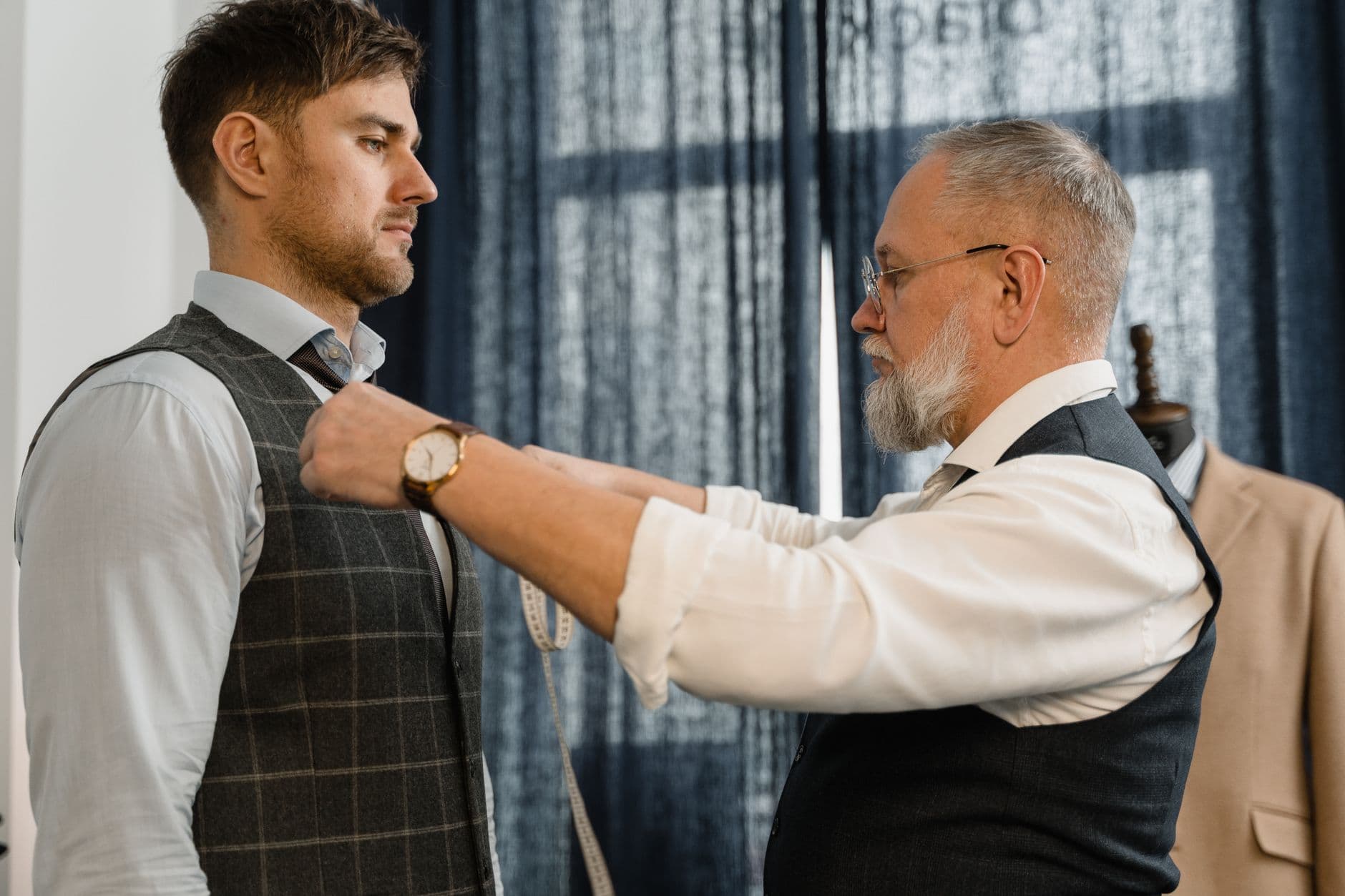
Suits are still one of the thorniest categories in sustainable menswear, because tailoring asks for precision. A jacket needs structure, a trouser needs drape, and the whole look depends on fit so exact that a bad version quickly becomes dead stock in your own closet.
That is why tailoring is also where size inclusivity matters most. If a brand’s sustainable story stops at a narrow size run, the promise falls apart fast. Look for the suit or separate blazer that can actually be worn to work, to dinner, and to the event that would otherwise tempt you into buying another one.
Performancewear has the loudest sustainability problem
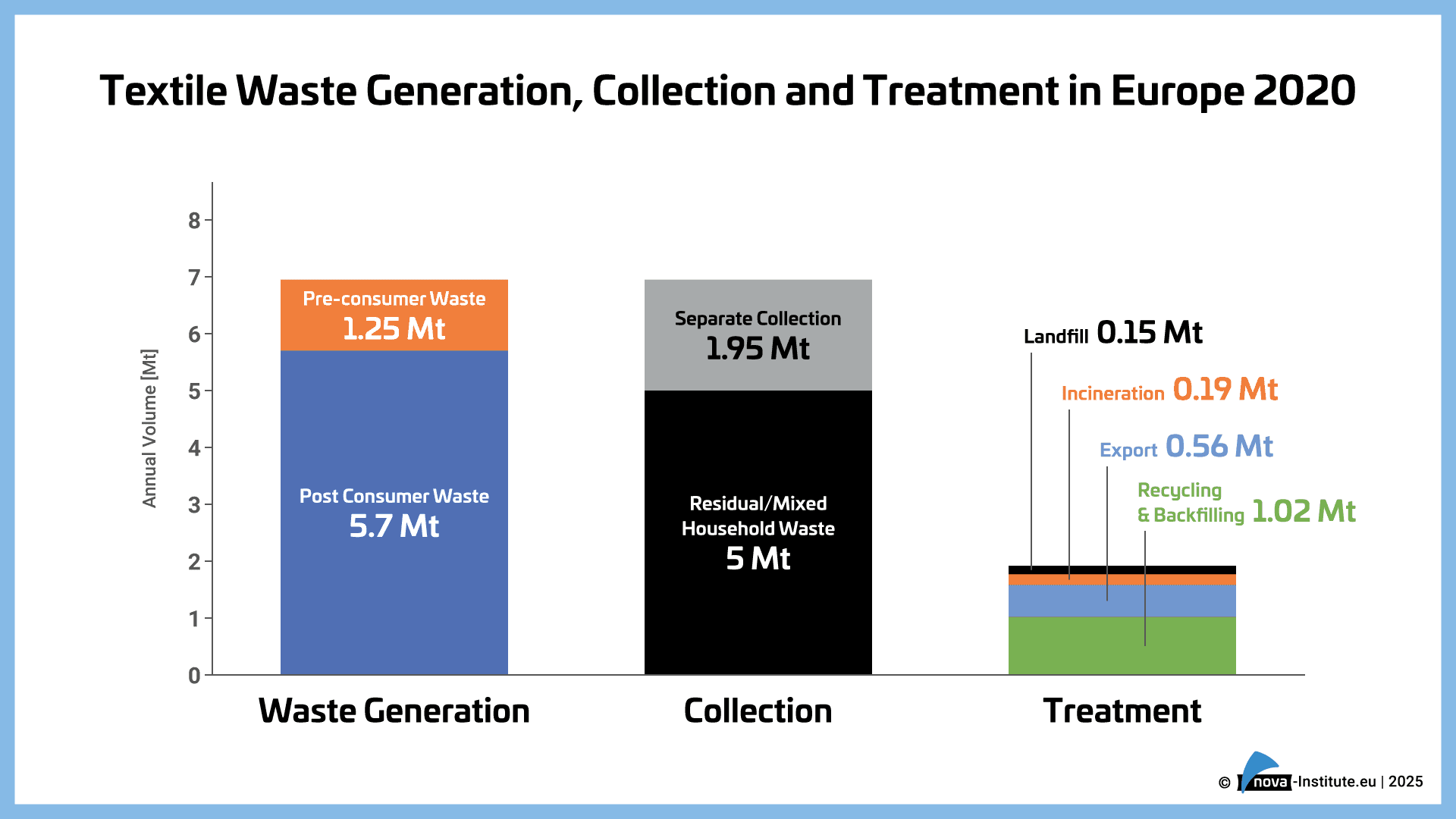
Sportswear and performance layers are essential, but they are also where the environmental math gets noisy. UNEP says fashion and textiles account for 9 per cent of microplastic pollution reaching the oceans annually, and that should make every extra synthetic layer feel less casual than it looks.
This does not mean performancewear is off-limits. It means the bar should be higher: buy the piece that solves a real need, not the one that merely looks technical. In a category built on promises of stretch, breathability, and recovery, the most responsible version is the one you will use often enough to justify its footprint.
Outerwear is where restraint pays off
Outerwear is the easiest place to practice discipline because one good coat can outwork several trend pieces. A strong jacket or overcoat anchors the whole wardrobe, and it is often the item that decides whether the rest of your clothes feel polished or disposable.
Use the category filter, then think in terms of versatility. If the piece works over tailoring, over knits, and over your off-duty staples, it earns its place more convincingly than a rotation of seasonal throwaways. That is especially true when you are shopping for lower-impact options, because the best outerwear is the one that disappears into daily life and keeps doing its job.
Why the stakes are bigger than one closet
The larger argument for better menswear is simple: this is an industry with serious costs, and the numbers are not small. UNEP says the textile industry produces 2 to 8 per cent of global greenhouse gas emissions, uses 86 million Olympic-sized swimming pools of water a year, and consumes 215 trillion liters of water, while McKinsey has estimated fashion’s emissions at about 3 to 8 percent of global greenhouse gas emissions and warned they could rise about 30 percent by 2030 without further action.
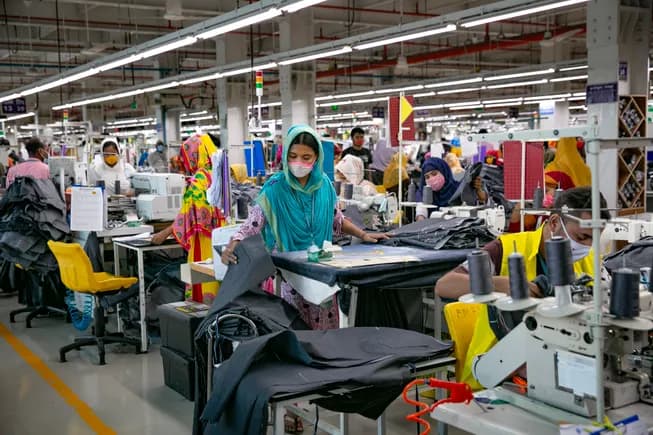
The labor picture matters just as much. The ILO says textiles, clothing, leather and footwear provide employment opportunities for millions worldwide, especially young women, and that 75 per cent of all garment workers are in Asia. It also says the Rana Plaza collapse brought worldwide attention to the need for safer workplaces and better conditions, which is a reminder that the label on the hanger always points to a much bigger chain.
Fashion Revolution’s 2024 special transparency report reviewed 250 of the world’s largest fashion brands and retailers on climate and energy disclosure, and its decarbonisation-focused reporting says fossil-fuelled boilers still dominate dyehouses, laundries and finishing mills, the single largest source of supply-chain emissions. That is the part many shoppers never see, which is exactly why a category-by-category approach is so practical: it keeps the focus on what you buy, how often you wear it, and whether it can really hold its place in your life.
Lower-impact menswear does not have to look austere or academic. It just needs a sharper eye, a better filter, and the discipline to let the best piece in each category do the work of three mediocre ones.
This article was produced by Prism’s automated news system from verified source data, official records, and press releases, then run through automated quality and moderation checks before publishing. The system is built and supervised by the people who set the standards it runs under. Read our full AI policy.
Did this article answer your question?