Burberry pushes net-zero deadline to 2050 amid supply chain rethink
Burberry has pushed its net-zero goal to 2050, saying the hardest cuts sit in its supply chain. The new plan tightens Scope 3 targets while easing the headline deadline.
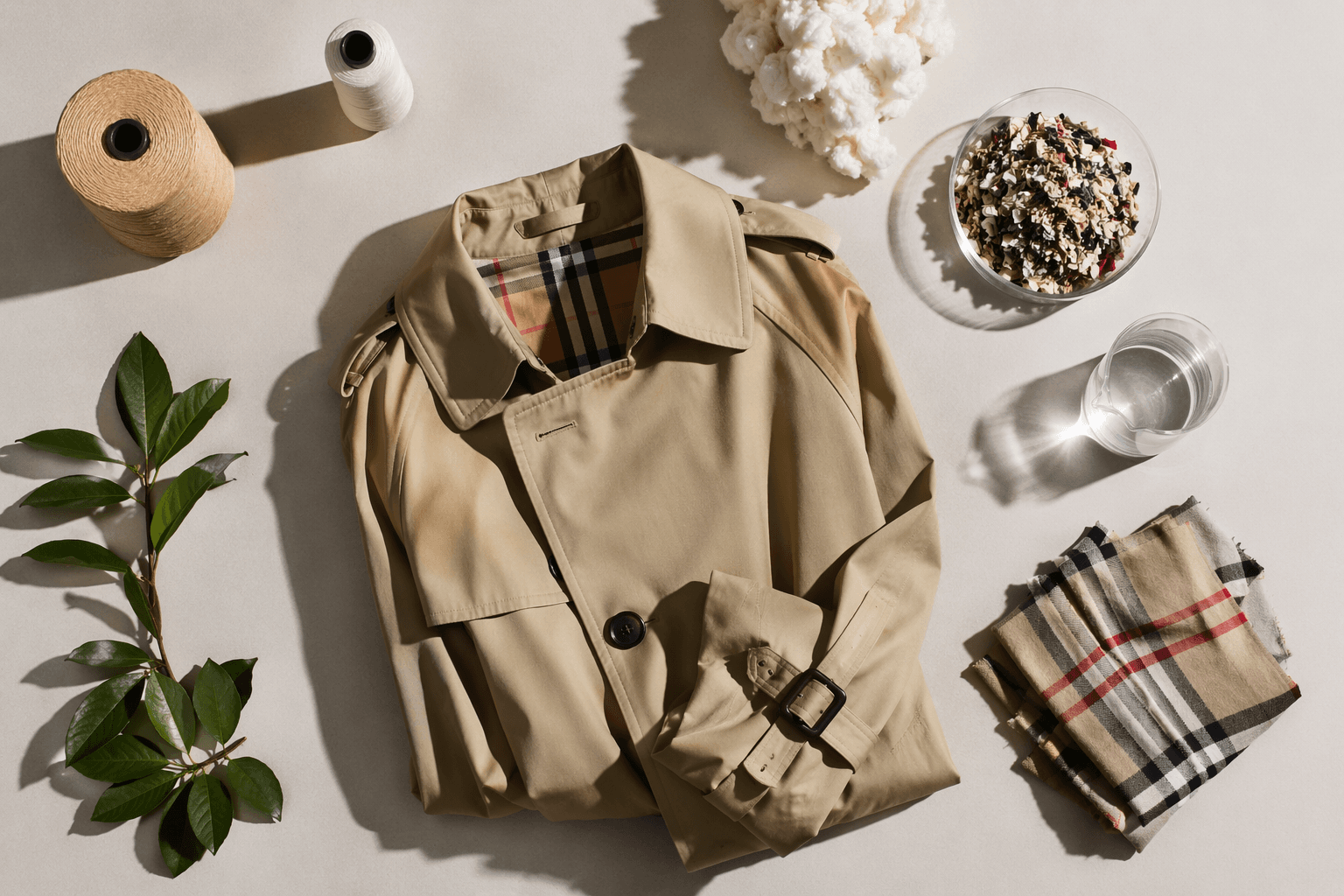
Burberry Group Plc has bought itself a decade. The luxury house pushed its net-zero deadline from 2040 to 2050, saying a more detailed read on its supply chain, and on how rivals are setting targets, made the slower timeline more realistic.
That matters because Burberry built real brand equity around climate ambition. In 2022, the Science Based Targets initiative validated its 2040 net-zero commitment, and Burberry had described itself as the first luxury fashion brand to win SBTi approval for a net-zero target. Back in 2021, it said it was working with South Pole on a roadmap to become “climate positive” by 2040 and noted that 93% of its electricity already came from renewable sources. The new timetable keeps the company in the sustainability conversation, but it also shows how hard it has become for fashion to turn supply-chain promises into near-term decarbonization.
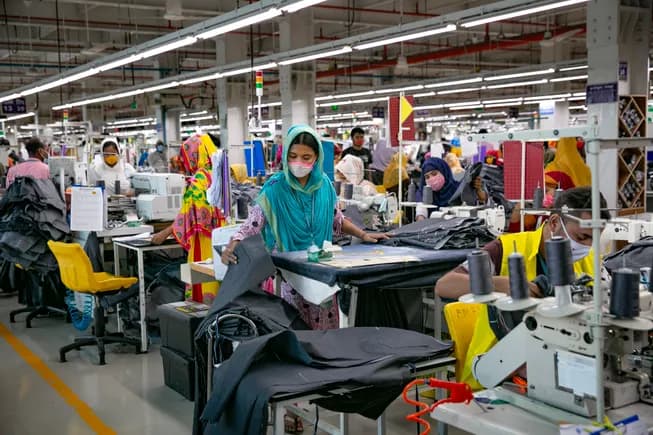
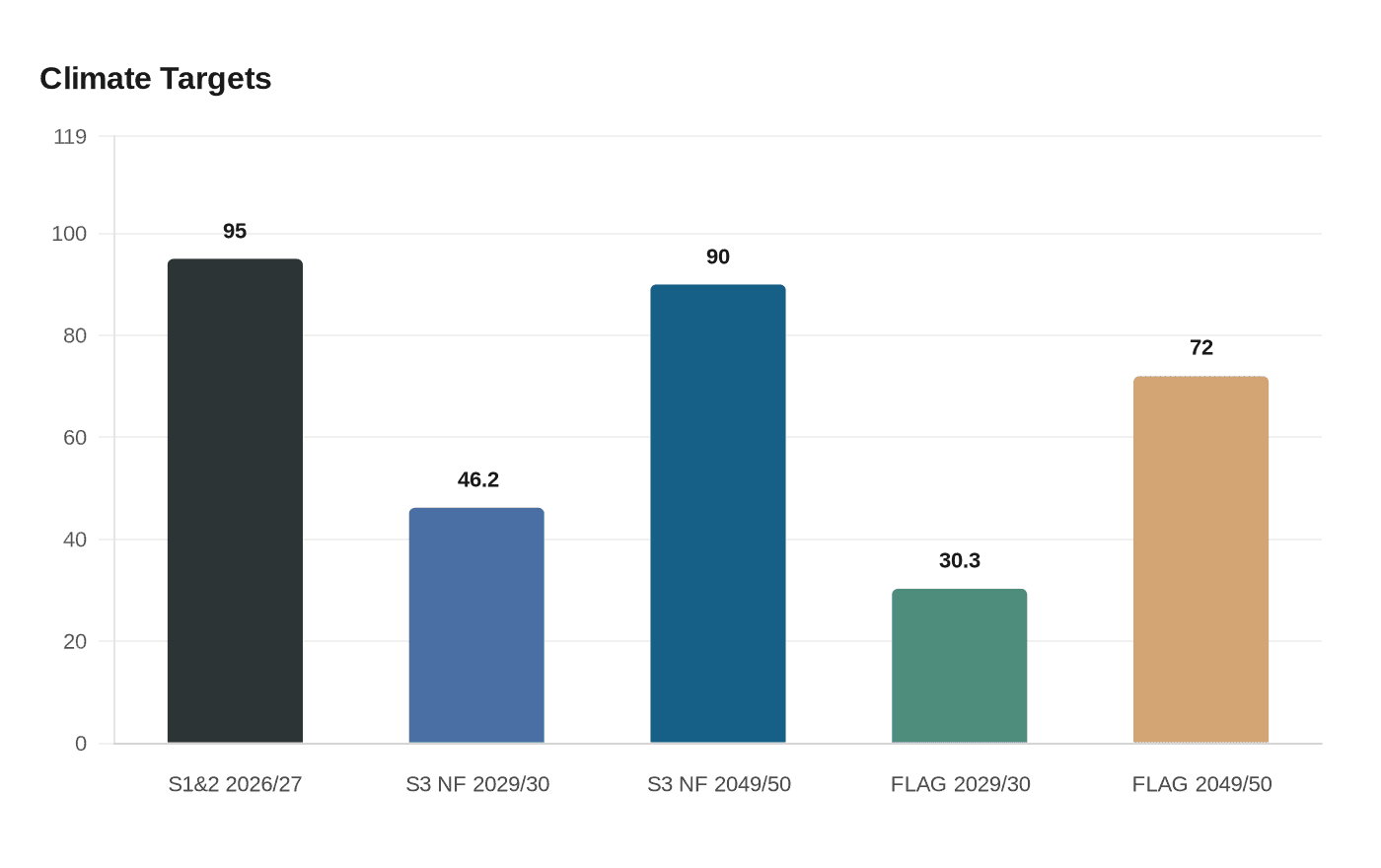
The hardest work sits in Scope 3, where the emissions tied to materials, manufacturing and logistics dwarf the cleaner numbers in stores and offices. Burberry’s revised climate transition plan now calls for a 95% cut in absolute Scope 1 and 2 emissions by FY 2026/27 from a FY 2016/17 base year. For Scope 3, it is targeting a 46.2% reduction in non-FLAG emissions by FY 2029/30 and 90% by FY 2049/50, both from a FY 2018/19 base year. Its FLAG emissions, the land-related slice linked to farming and forestry, are set for a 30.3% cut by FY 2029/30 and 72% by FY 2049/50.
The details tell the story of where luxury fashion gets stuck. Burberry said it will eliminate hazardous chemicals across its supply chain, and because FY 2025/26 is the final year of its existing deforestation commitment, it has set a new no-deforestation target for bovine leather, viscose, wood and paper by FY 2029/30. Those are the kinds of materials that carry the heaviest climate baggage in high-end outerwear and accessories, especially when a brand leans on leather goods and premium fabrications.
The new 2050 target also puts Burberry closer to the long-term timelines used by larger peers such as Kering SA and LVMH. Bloomberg has said the shift reflects a broader pattern of corporate climate resets across blue-chip companies, and that is the real accountability gap here: luxury brands can still talk the language of leadership, but the market is now asking which emissions they can actually cut, by when, and in which part of the supply chain. Burberry says it will submit the revised targets to the Science Based Targets initiative, while progress continues to be tracked through Burberry Beyond and its TCFD reporting. For a brand that once led with the promise of 2040, 2050 is a more cautious, less glamorous kind of realism.
This article was produced by Prism’s automated news system from verified source data, official records, and press releases, then run through automated quality and moderation checks before publishing. The system is built and supervised by the people who set the standards it runs under. Read our full AI policy.
Did this article answer your question?