Canada proposes tougher forced-labor import rules for supply chains
Canada’s new bill shifts forced-labor enforcement from customs to importers, with a suspect-goods list and proof-on-demand rules.
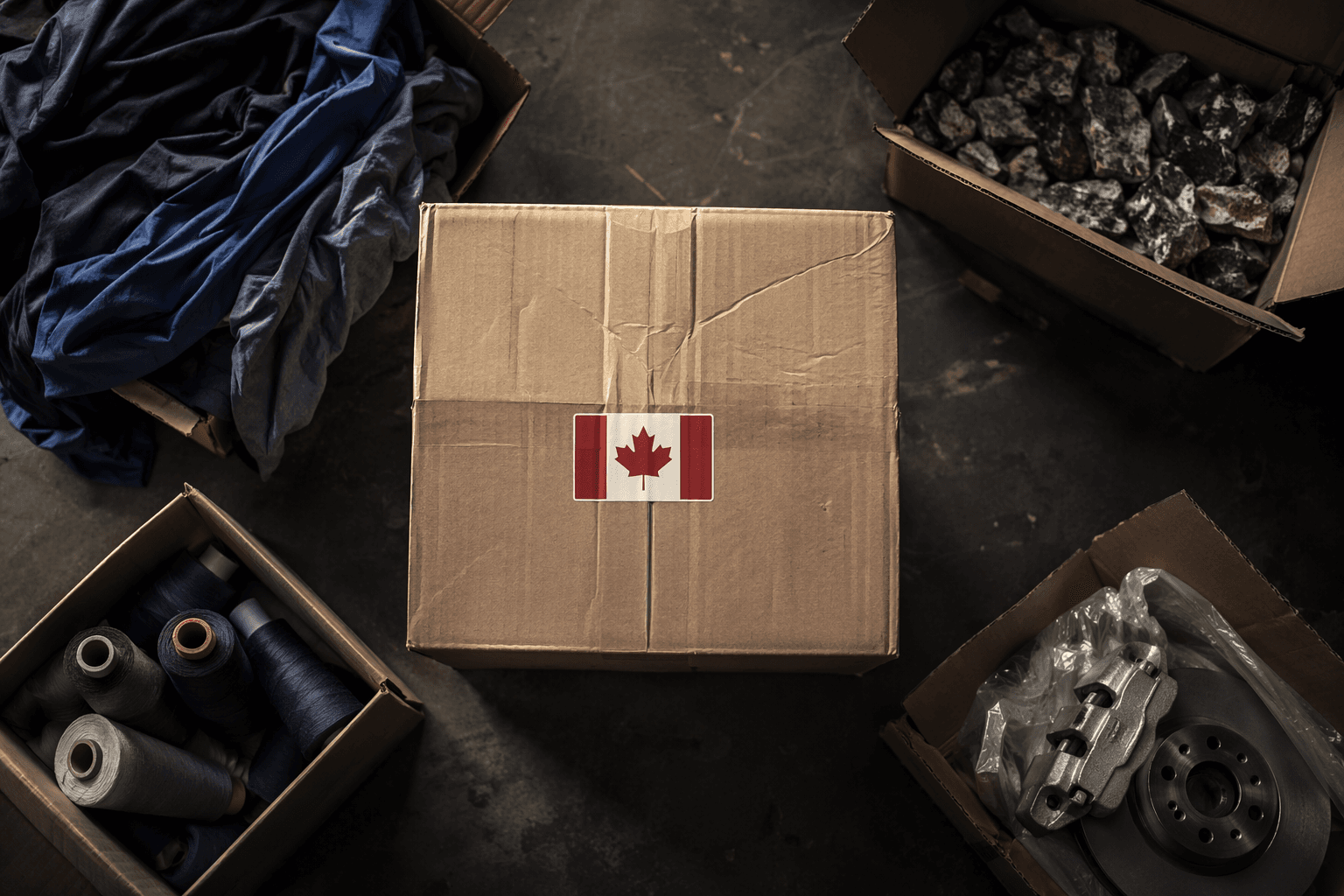
Anita Anand put Bill C-35 on the table in Ottawa on June 12, 2026. The bill would make importers, not customs officers, prove goods were not made with forced labour. It would replace the country’s 2020 Customs Tariff-based ban, which was built to satisfy CUSMA obligations, with a standalone law to keep forced-labour goods out of the Canadian market.
Under Bill C-35, goods produced wholly or in part by forced labour would remain prohibited. The Minister of Foreign Affairs would be able to keep a list of goods suspected of being tied to forced labour, and if an importer brings in something on that list, a customs officer can demand the required information from Canada Border Services Agency. Fail to provide it, and the goods are deemed prohibited. In apparel, that means fiber, fabric, dyeing, cut-and-sew, finishing, and the final handoff into Canada. The new regime could reach importers, distributors, and retailers handling imported goods, especially once regulations start defining which products sit in the high-risk lane.
On June 2, 2026, the Office of the United States Trade Representative said Canada was not effectively enforcing its forced-labour import prohibition and proposed additional duties of 10 percent for economies with a forced-labour import regime. U.S. Customs and Border Protection already works under the Uyghur Forced Labor Prevention Act’s rebuttable presumption and publishes importer guidance that pushes due diligence deep into supply chains. Canada’s model is a customs filter with a high-risk list, not a full presumption regime.
Canada already has a transparency law on the books. The Fighting Against Forced Labour and Child Labour in Supply Chains Act received royal assent on May 11, 2023 and took effect on January 1, 2024, requiring certain government institutions and private-sector entities to report what they are doing to prevent and reduce forced-labour and child-labour risk. The International Labour Organization estimates about 28 million people are trapped in forced labour worldwide, including 17.6 million in the private economy. Some child-labour-related imports may remain outside the new ban.
This article was produced by Prism’s automated news system from verified source data, official records, and press releases, then run through automated quality and moderation checks before publishing. The system is built and supervised by the people who set the standards it runs under. Read our full AI policy.
Did this article answer your question?


