Cascale sets new baseline for green factory standards in textiles
Cascale pushed textile factories toward one shared environmental baseline, aiming to cut duplicative audits and make brands compare suppliers on the same terms.
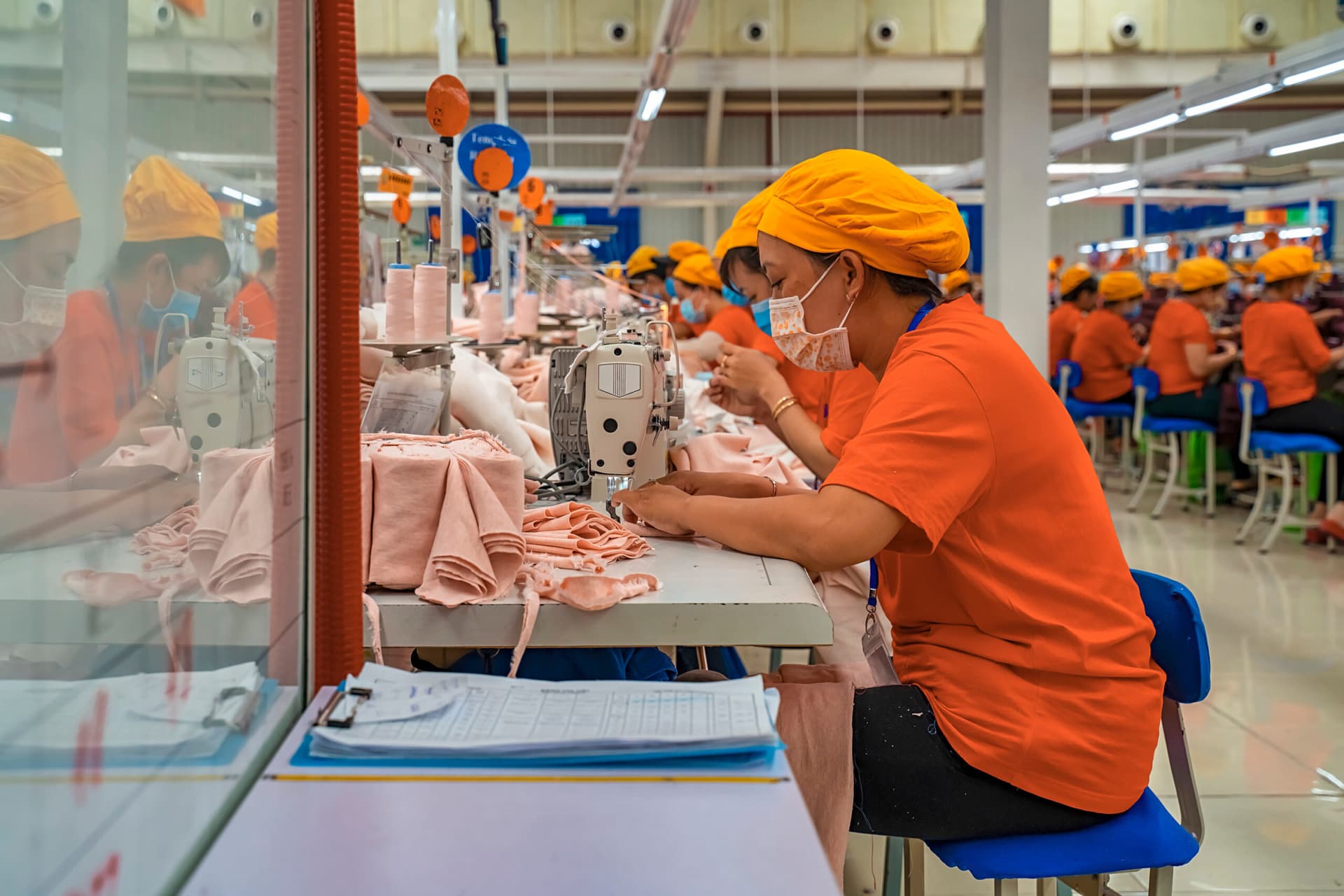
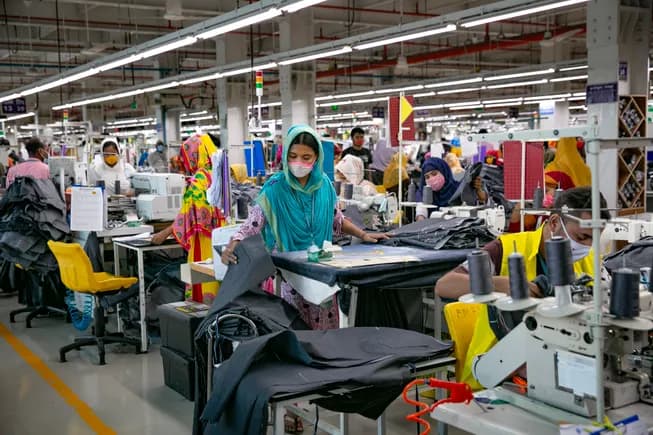
Cascale moved to put a common floor under green factory standards, saying a new definition of Foundational Environmental Performance could make factory-level environmental data easier to compare, easier to audit and harder to ignore. The industry group said it built the baseline through engagement with 80 stakeholders at more than 30 organizations, including the World Resources Institute, World Wide Fund for Nature and ZDHC, with the goal of improving consistency, strengthening comparability, supporting legal compliance and reducing environmental risk across supply chains.
The stakes are practical, not cosmetic. Cascale describes FEP as the baseline environmental management practices expected of global facilities manufacturing consumer goods, which means the real value will come only if brands use it to align purchasing behavior with the environmental demands they already place on suppliers. If it becomes a shared benchmark rather than another one-off checklist, it could reduce the audit chaos that has long burdened textile factories. If it does not, suppliers may end up meeting one more compliance layer without shedding any of the old ones.
The move also builds on Cascale’s existing machinery. Its Higg Facility Environmental Module has been used by more than 20,000 companies worldwide and is implemented through Worldly as part of the Higg Index suite. Cascale’s broader facility tools already span resource and energy use through Higg FEM and working conditions through Higg FSLM, so FEP reads less like a new idea than a tightening of the framework brands are already using to assess suppliers.
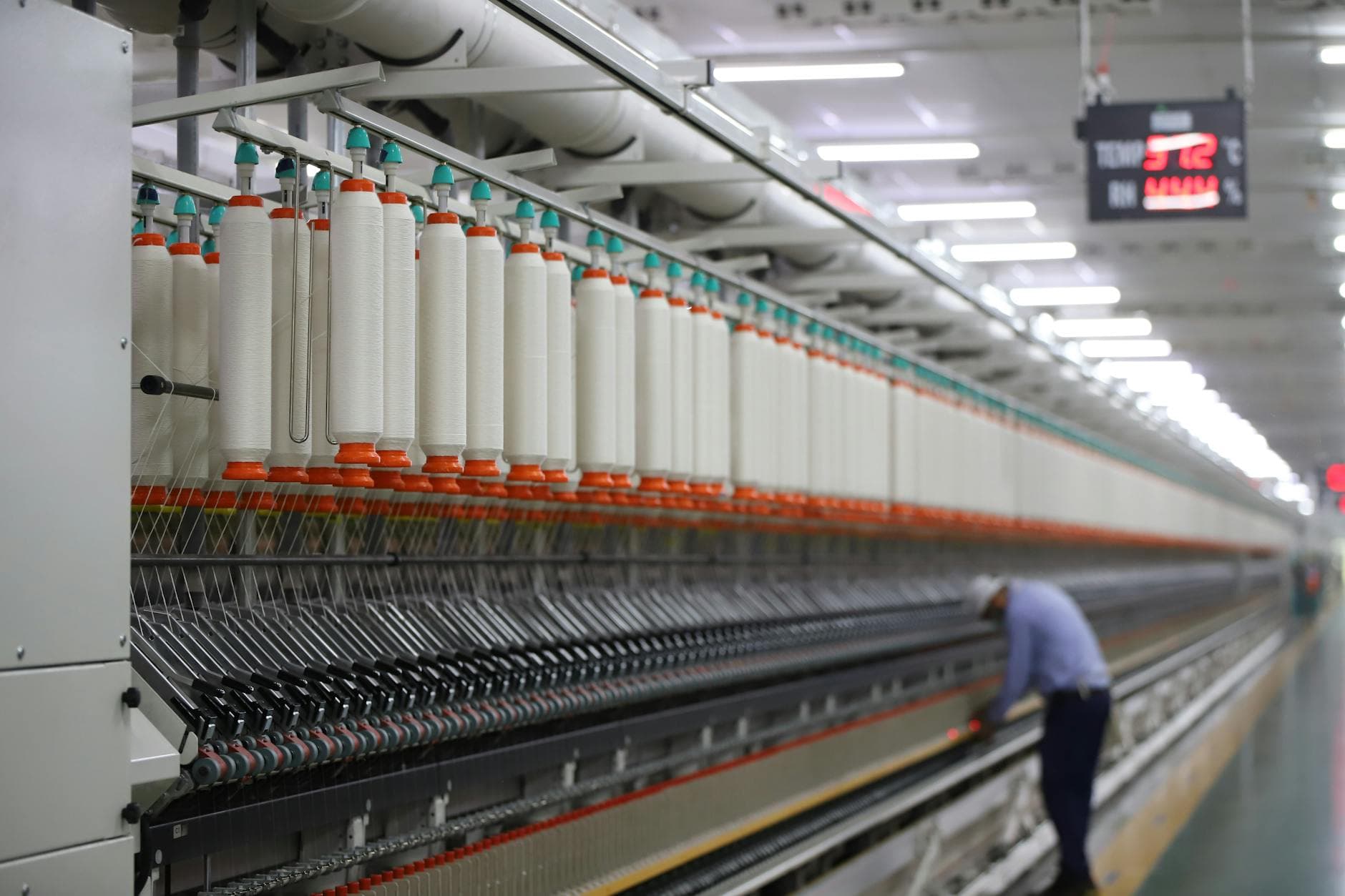
Cascale’s ties with ZDHC have been tightening for years. The two groups signed a strategic collaboration on August 6, 2024, and by November 2023 ZDHC’s Supplier to Zero Programme was already aligned with Cascale’s Higg FEM 4.0. That alignment matters because it suggests the sector is inching toward fewer competing scorecards and more shared expectations, exactly the kind of convergence manufacturers have been asking for.
The timing is sharp. Cascale says its decarbonization program is aimed at cutting greenhouse gases by at least 45 percent across the consumer goods value chain by 2030, and 67 percent of its members have set or begun setting science-based or science-aligned targets. Yet Cascale’s own 2026 reporting says progress across apparel, footwear and textiles is still being slowed by coal dependence and weak renewable-energy adoption. FEP now has to prove that it can do more than tidy up language: it has to push brands toward cleaner buying decisions and give suppliers one clearer standard instead of a stack of conflicting demands.
This article was produced by Prism’s automated news system from verified source data, official records, and press releases, then run through automated quality and moderation checks before publishing. The system is built and supervised by the people who set the standards it runs under. Read our full AI policy.
Did this article answer your question?