Cascale warns tariffs could deepen abuse in apparel supply chains
Tariffs of up to 12.5 percent could push brands to squeeze suppliers in Bangladesh, China, India and Vietnam, amplifying overtime, subcontracting abuse and wage theft.

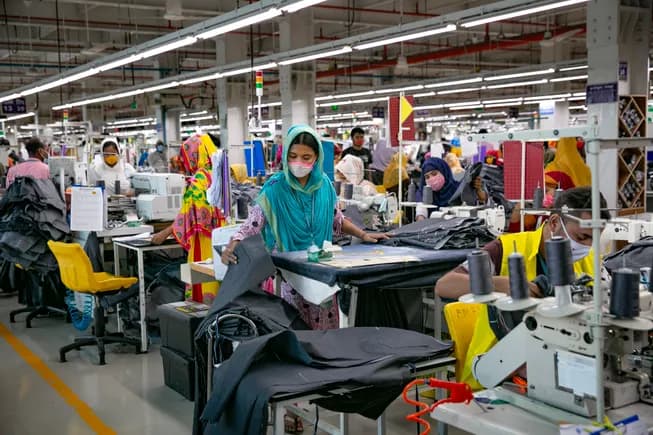
The sharpest cost of a tariff is often hidden in the hemline of the supply chain. Cascale’s Better Buying program warned that new duties proposed by the Trump administration could be pushed down onto factories in Bangladesh, China, India and Vietnam, where delayed payments, last-minute order changes and lower prices can quickly turn into overtime pressure, wage theft and unauthorized subcontracting.
The proposal would impose tariffs of up to 12.5 percent on 59 countries and the European Union under Section 301 of the Trade Act of 1974. It lands alongside a broader push from the U.S. Trade Representative, which launched 60 Section 301 investigations on March 12, 2026, to examine whether foreign governments were doing enough to stop imports of forced-labor goods. Under that framework, the U.S. proposed a 10 percent duty for economies with full or partial forced-labor bans and 12.5 percent for all others; written comments are due July 6, 2026, and public hearings are scheduled for July 7.

Katie Hess, head of product at Cascale Better Buying, said supplier feedback shows that commercial uncertainty can deepen planning instability, cost absorption problems, production changes and order volatility. In apparel, those are not abstract management headaches. They are the conditions that can drive inhumane production targets, harassment, abuse and the kind of rushed, off-book subcontracting that leaves garment workers with less pay and less protection.
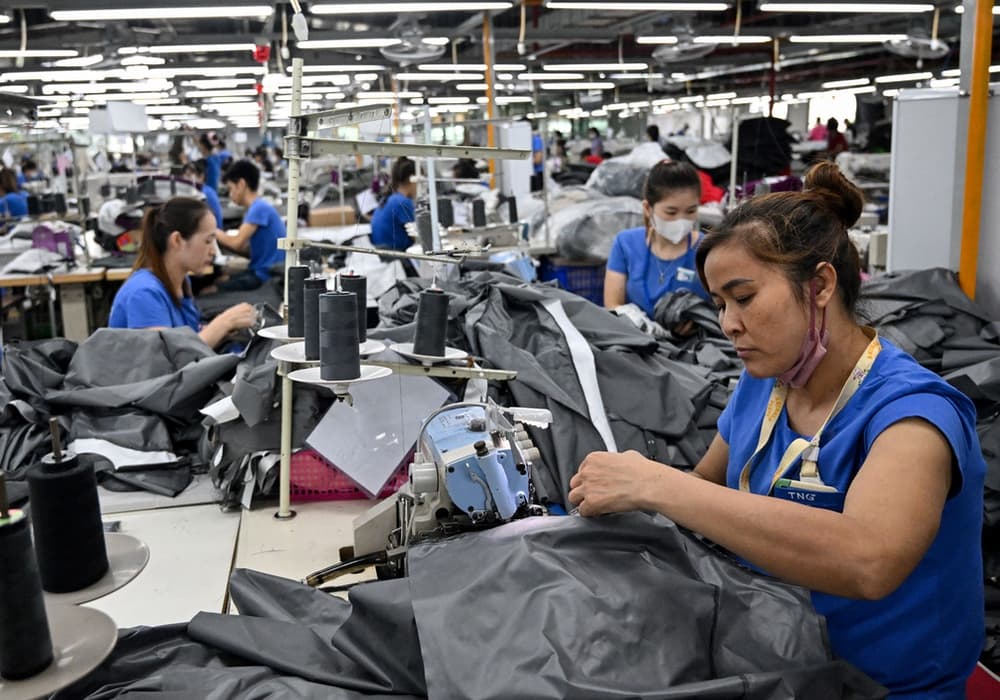
Cascale’s own data shows how fragile the ground already is. Its August 5, 2025 Garment Industry Scorecard drew anonymous input from more than 1,200 suppliers representing over 10 million workers, about one in six of the estimated 60 million workers in the global apparel value chain. The overall purchasing practices score slipped from 67 to 66, and Planning and Forecasting fell from 59 to 56. A January 30, 2026 snapshot survey, based on 974 supplier ratings from 51 countries and regions, found China, Bangladesh and India accounted for the largest share of responses, while Cascale said progress in responsible purchasing still depended on predictable planning, fair terms and consistent communication.

That warning carries extra weight because Better Buying was acquired by Cascale in February 2025, turning the program into a larger lever on brands and retailers to share risk instead of dumping it on the lowest-power partners. If tariffs become a trigger for price cuts, payment delays and chaotic production changes, the damage will not stop at balance sheets. It will show up on factory floors, where resilience is measured in wages, hours and whether workers are forced to absorb the shock.
This article was produced by Prism’s automated news system from verified source data, official records, and press releases, then run through automated quality and moderation checks before publishing. The system is built and supervised by the people who set the standards it runs under. Read our full AI policy.
Did this article answer your question?