Cheap T-shirts undermine sustainability claims, report warns
Bangladesh-made cotton T-shirts still sell for about $2.06 in the EU, leaving almost no room for better wages, safety upgrades or climate resilience.
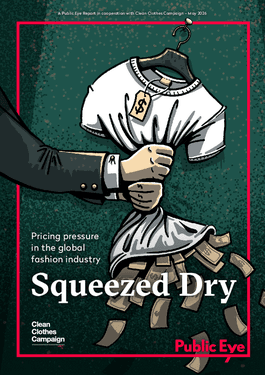
A cotton T-shirt that leaves Bangladesh for $2.06 is not a bargain so much as a warning sign. Public Eye and Clean Clothes Campaign say the price architecture around the humble jersey tee is still squeezing out the money factories need for wage growth, safer buildings and the kind of climate adaptation the industry keeps promising.
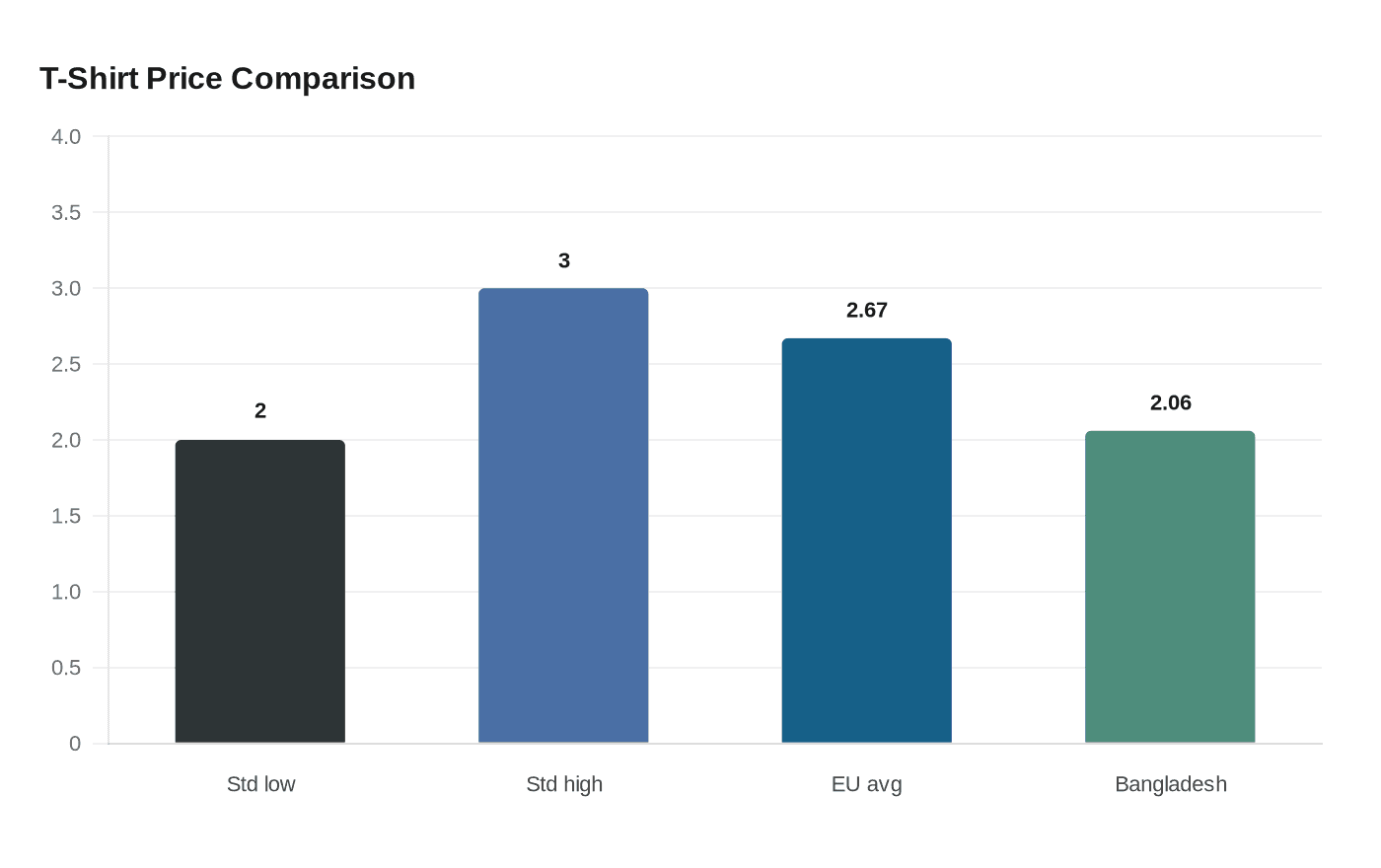
Their report, Squeezed Dry, shows how blunt the market remains. Many buyers still source a standard cotton T-shirt at around USD 2 to USD 3 a piece, while unit prices below USD 1 still persist in parts of the market. Adjusted for global inflation, companies now buy a T-shirt for about half what they paid 25 years ago. That is not efficiency. It is compression, and it leaves suppliers to absorb every extra cost that sustainability rhetoric tends to ignore.
The numbers are especially stark in Europe. Bangladesh supplies 61 percent of cotton T-shirts imported into the EU, according to the report, yet the average EU import price for a cotton T-shirt in 2025 was USD 2.67, while Bangladesh-origin shirts averaged USD 2.06. The gap is small on a spreadsheet and brutal in a factory. At those levels, responsible sourcing cannot be a slogan about recycled hangtags or cleaner storytelling. It would have to mean more cents per garment, enough to fund higher wages, fire safety, building maintenance and the investment needed to cope with weather risks that are now part of doing business.
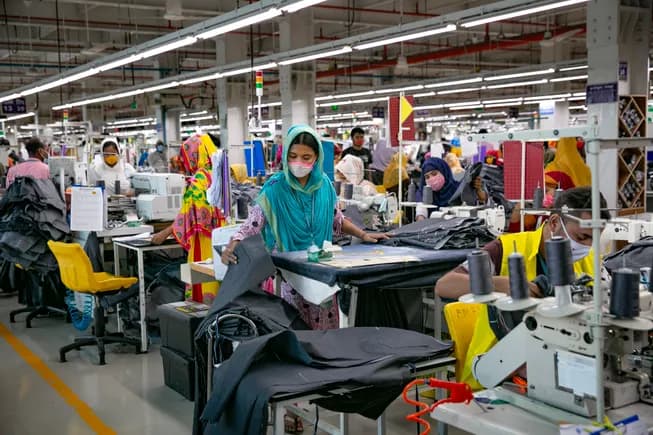
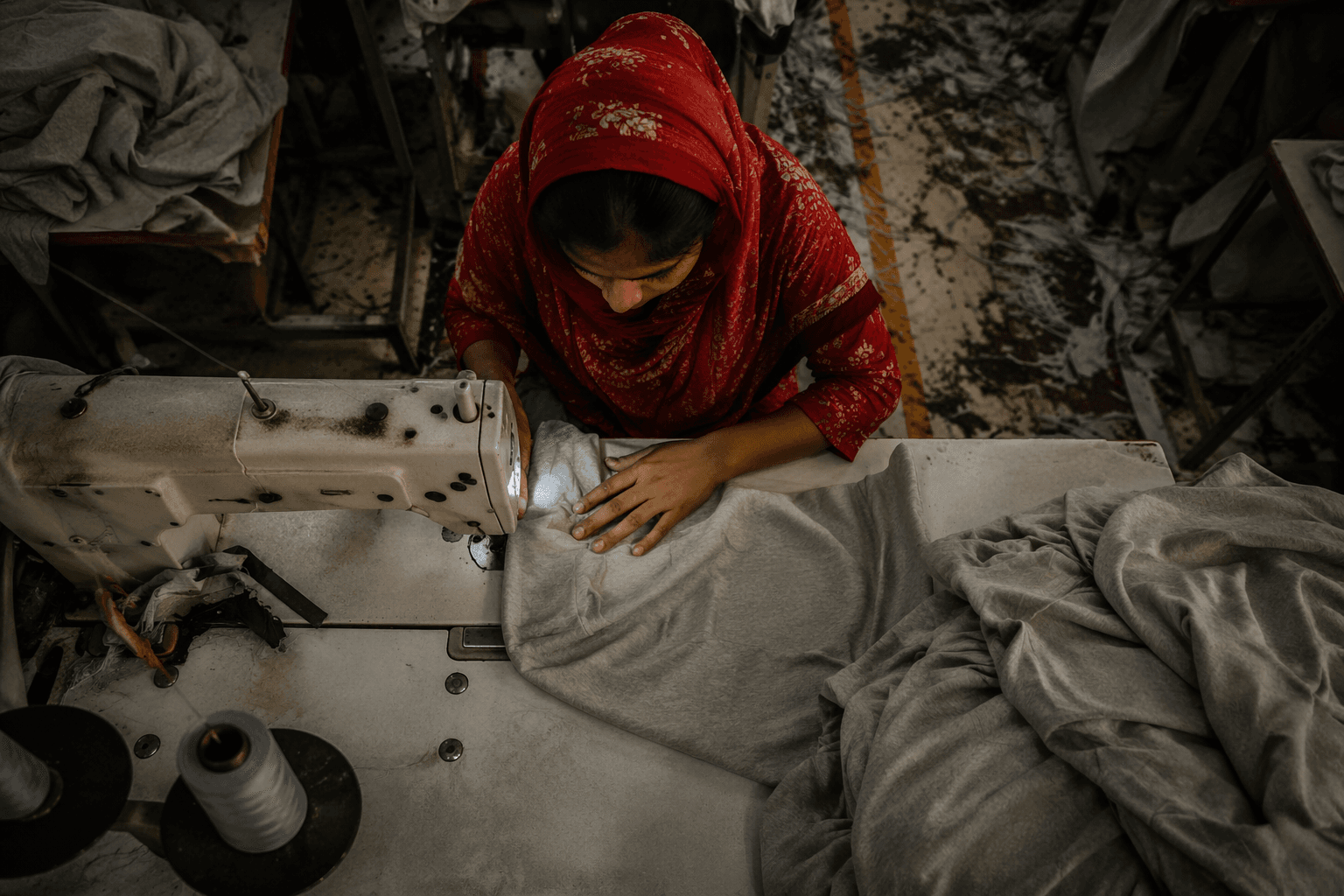
That pressure lands on a garment sector that employs roughly 4 million workers in Bangladesh. The current minimum wage of 8,000 taka, about USD 74, took effect in 2019, and labor advocates have long said it is nowhere near enough for a decent life. When the price of a shirt is held down to a couple of dollars, the factory has very little room to move anywhere else.
The moral cost of cheapness still hangs over the industry. On 24 April 2024, 11 years had passed since Rana Plaza collapsed, killing 1,138 people and exposing how dangerous factory conditions, poverty wages and weak worker organising can turn a fashion supply chain into a death trap. Eleven years on, the lesson has not changed: sustainability claims mean little if the buyer insists on prices that make sustainability impossible.
This article was produced by Prism’s automated news system from verified source data, official records, and press releases, then run through automated quality and moderation checks before publishing. The system is built and supervised by the people who set the standards it runs under. Read our full AI policy.
Did this article answer your question?