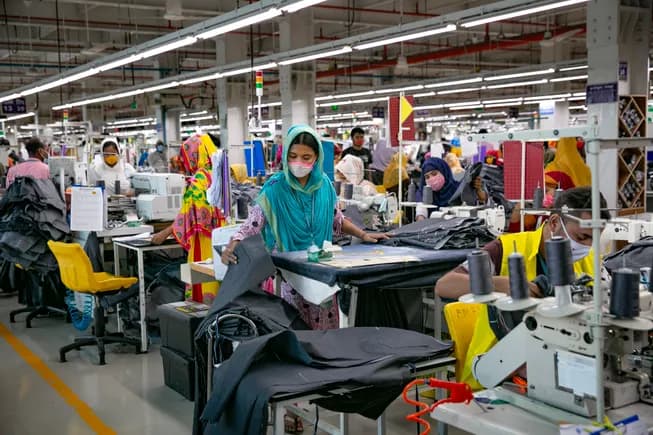
China’s new supply-chain rules put fashion compliance in a bind
China’s April supply-chain decrees turned supplier audits into a legal trap, forcing fashion brands to choose between Western due diligence and Chinese security rules.
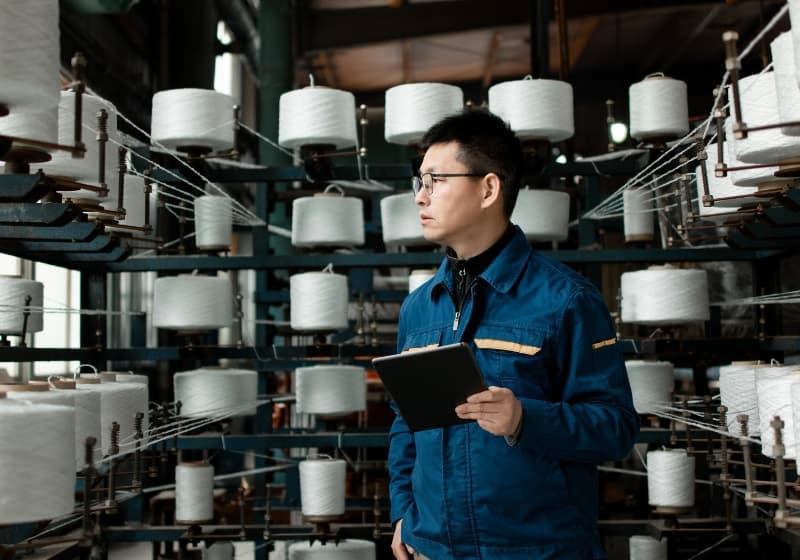
Fashion’s clean-supply-chain story just ran into a jurisdictional dead end in China. The State Council’s Regulations on Industrial and Supply Chain Security took effect on April 7, 2026, the same day they were issued, and a companion regulation on countering improper extraterritorial jurisdiction followed on April 13 with immediate effect. There was no grace period, no soft landing, just a hard reset for brands that have spent years selling traceability as a virtue.
That matters because the modern compliance playbook for fashion is built on asking questions. Supplier audits, factory inspections, questionnaires and document requests are how brands try to prove that cotton, leather, trim and dye houses are not hiding forced labor or other violations. The new Chinese rules now restrict supply-chain-related investigations and information-gathering activities in China without approval, which puts those everyday due-diligence tools on a collision course with Western laws such as the European Union’s Corporate Sustainability Due Diligence Directive and the US Uyghur Forced Labor Prevention Act.
For sourcing teams, the fallout is immediate and ugly. The same paperwork a brand needs to satisfy regulators in Europe or the US can now create risk inside China, where Beijing says the new framework is meant to prevent security risks, enhance resilience, and safeguard economic and social stability as well as national security. Foreign entities that disrupt supply to Chinese companies or use discriminatory measures can face investigation and countermeasures under the new regime, and advisers warn that managers in China could face personal liability or other legal exposure in the broader countermeasures environment.
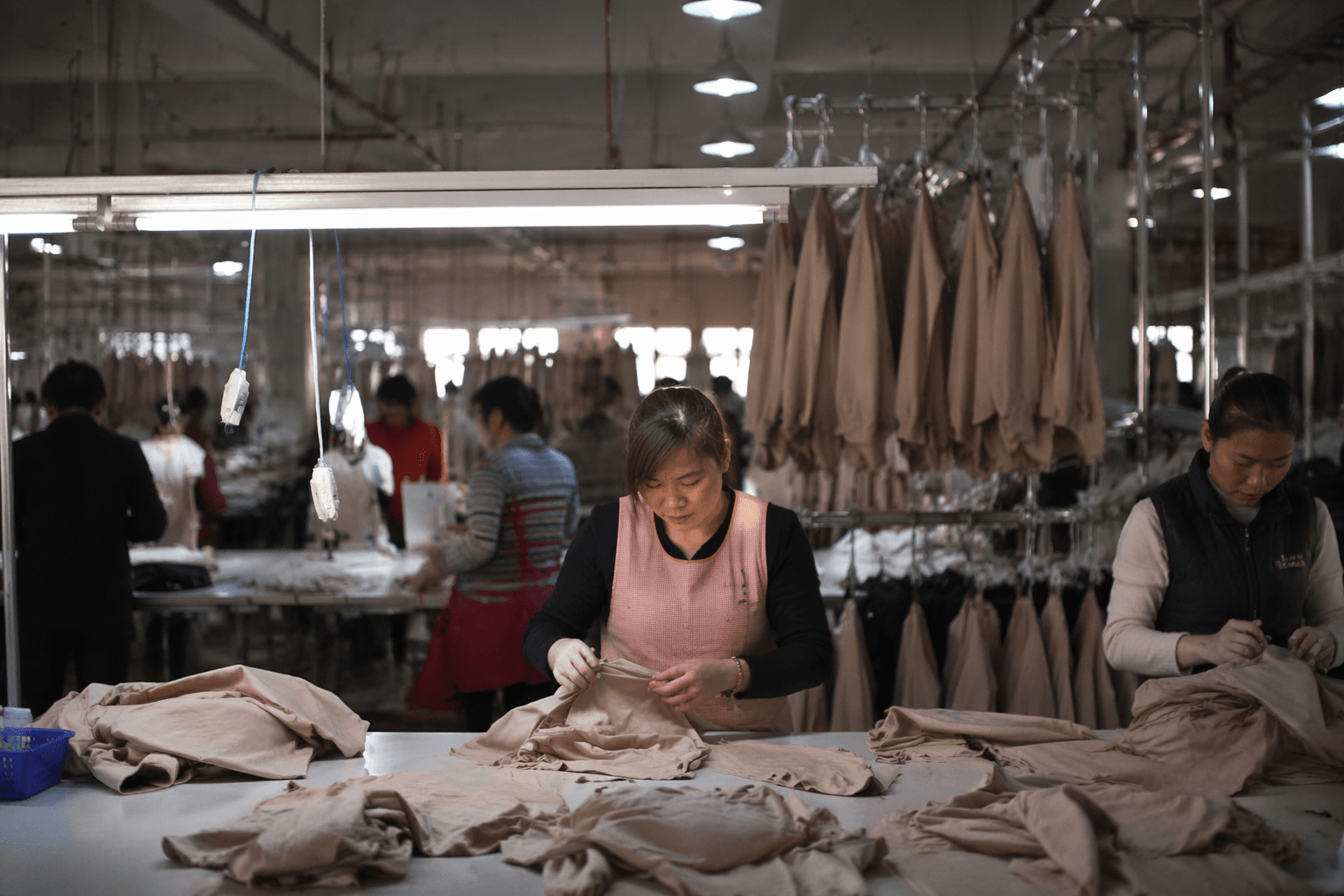
The practical effect is that compliance stops being a tidy back-office function and becomes a geopolitical balancing act. A sourcing director can no longer assume that a clean audit trail is simply a matter of better recordkeeping. If the supplier is in China, the very act of pressing for more disclosure can look like the problem. That is why some advisers say buyers are now stuck “between a rock and a hard place.”
China’s first dedicated administrative regulation on industrial and supply-chain security has done more than add another layer of legal noise. It has made traceability claims harder to verify in practice, especially for brands that built their sustainability pitch on openness, supplier mapping and proof. For fashion, the new reality is blunt: the farther a brand pushes transparency, the more likely it is to find itself exposed on both sides of the border.
This article was produced by Prism’s automated news system from verified source data, official records, and press releases, then run through automated quality and moderation checks before publishing. The system is built and supervised by the people who set the standards it runs under. Read our full AI policy.
Did this article answer your question?