Circular Textile Days 2026 focuses on scaling practical circular solutions
Circular Textile Days is shifting circular fashion from aspiration to infrastructure, with compliance, traceability, and scale now taking center stage.
Circular Textile Days is dropping the conference mood and aiming straight at the bottlenecks. The 2026 edition is built around practical execution, with recycling technologies, sourcing systems, traceability, machinery, and circular business models framed as tools for brands and suppliers under rising costs and tougher legislation.
From circular talk to circular operations
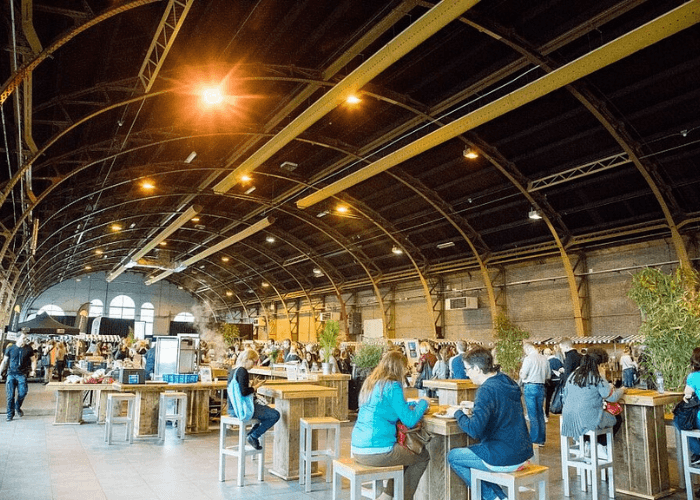
The two-day event runs on 30 September and 1 October 2026 at the Koepelhal in Tilburg, in the Netherlands, and organizers are positioning it as Europe’s leading business event for circular and sustainable textiles. It will be the sixth edition, with more than 1,200 visitors expected from over 25 countries across the textile value chain. That scale matters because this is no longer a niche sustainability gathering. It is becoming a working marketplace for the decisions that determine whether circular fashion can move beyond pilot projects and into everyday business.
The language around the program is telling. Instead of leaning on abstract ambition, the agenda is set to focus on the practical problems that stall progress: cost price pressure, sourcing, material innovation, traceability, and the future of circular textiles in practice. In fashion terms, that means the spotlight is shifting from the moodboard to the production line. What is being asked now is not whether circularity sounds right, but which systems actually function when a brand has to buy, sort, prove, resell, remanufacture, or recycle at scale.
Why Tilburg is more than a venue
Tilburg gives the event a useful backdrop. Organizers tie the move to the city’s textile heritage, which fits a show focused on making circular systems work in the real world rather than simply talking about them. The setting also gives the event an industrial edge that suits the subject matter: recycled yarns, eco-design, reuse, high-tech recycling, and digital solutions are not presented as lifestyle ideas but as parts of a larger operating system.
That ecosystem is central to the event’s appeal. Circular Textile Days is designed to bring together brands, suppliers, recyclers, policymakers, educators, and innovators in one room, then force the conversation toward business connections. The curated speaker program and networking are not decorative extras. They are the mechanism by which a sourcing lead, a machinery supplier, and a recycler can move from theory to contract. For an industry still struggling with fragmented infrastructure, that kind of matchmaking is the point.
The 2025 edition offers a useful benchmark for what the format can do. Organizers said it brought together more than 90 companies from 12 countries, alongside 76 innovators, more than 1,150 visitors, three stages, and 35 talks. Those numbers suggest an event that already has density, but also room to deepen its business utility. The 2026 version looks set to trade on that momentum while pushing harder into implementation.
What looks ready now, and what still needs proof
The strongest case for this year’s focus is that the most promising circular tools are the ones that solve immediate pain points. Traceability helps brands prove material claims and map supply chains. Sourcing systems help buyers find recycled inputs without turning every order into a scavenger hunt. Machinery and recycling technologies matter because good intentions do not sort, shred, decontaminate, or regenerate fibers on their own. And circular business models only work if the operational math, from reverse logistics to resale, can survive contact with real margins.
That is where the industry still feels split. Some solutions are clearly moving into operational territory, especially digital systems and compliance-ready traceability. Others still feel uneven in scale, particularly high-tech recycling when feedstock quality, collection, and end-market demand do not line up. Circular Textile Days is smart to frame these as business problems first. The fashion industry has seen enough lofty language. What it needs now are systems that can be bought, deployed, audited, and repeated.
The policy pressure is no longer theoretical
The timing of the event makes the operational turn even more urgent. The European Commission’s EU Strategy for Sustainable and Circular Textiles sets a 2030 vision in which textile products placed on the EU market are durable, repairable, recyclable, and largely made of recycled fibres. That is not a soft aspiration. It is a direct line of pressure on how the industry designs, sells, and recovers garments.
The scale of the sector explains why the policy stakes are so high. According to the European Commission, the EU textile sector generated a turnover of €170 billion in 2023 and employed 1.3 million people across 197,000 companies. This is a major industrial system, not a side story. When regulation changes here, it ripples through sourcing teams, mills, logistics providers, resale platforms, and factories alike.
The rulebook is tightening quickly. Revised EU Waste Framework rules entered into force on 16 October 2025 and create common rules for extended producer responsibility schemes for textiles and footwear across all member states. Then, on 9 February 2026, the Commission adopted measures to prevent the destruction of unsold apparel, clothing accessories, and footwear. Under those measures, the ban applies to large companies from 19 July 2026, with medium-sized companies following later. The point is clear: less destruction, more resale, remanufacturing, donations, and reuse.
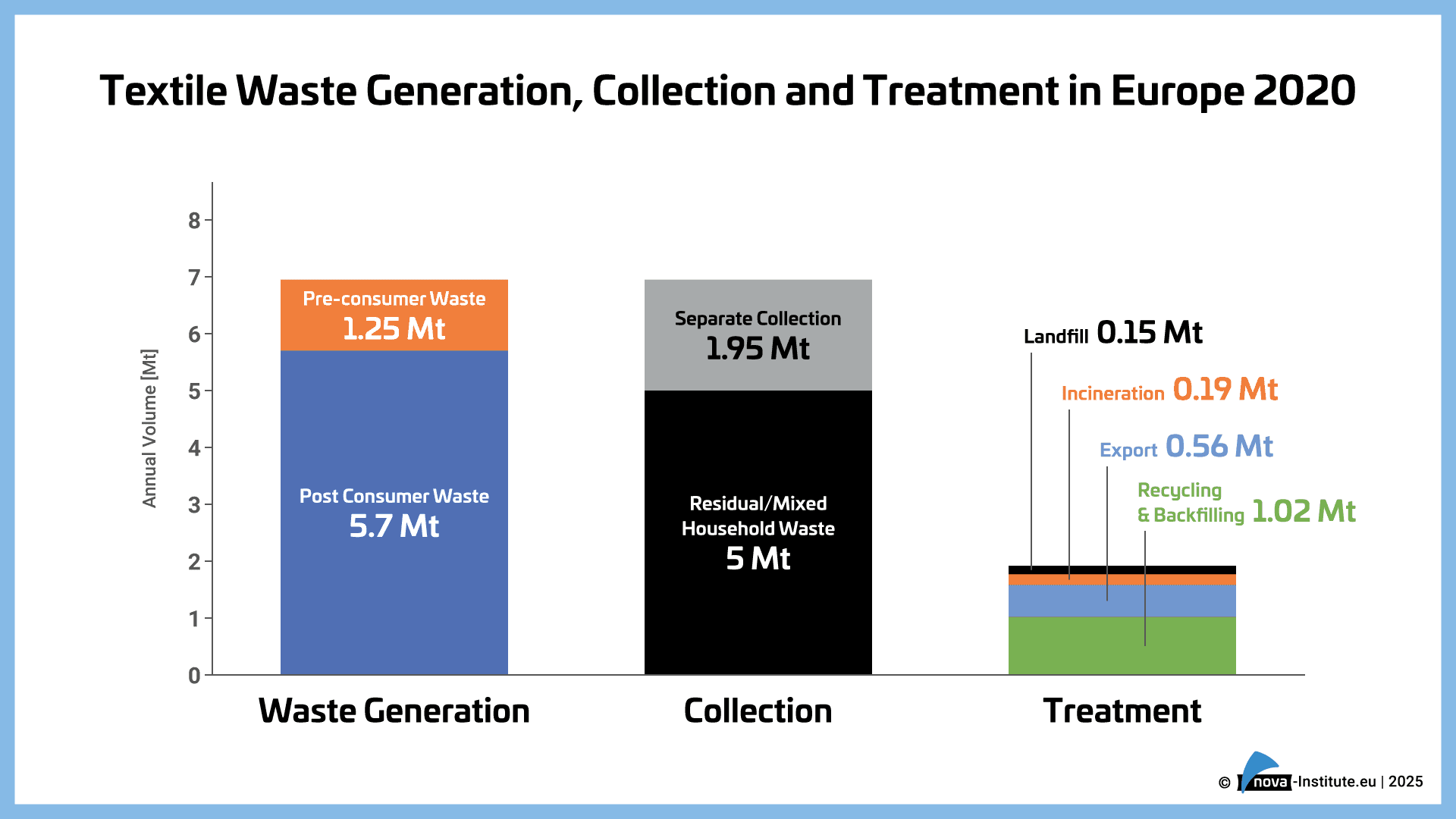
The environmental cost of inaction is already measurable. The Commission estimates that 4 percent to 9 percent of unsold textiles in Europe are destroyed before ever being worn, creating around 5.6 million tonnes of CO2 emissions. It also says about 12.6 million tonnes of textile waste were generated in the EU in 2019, with only one-fifth separately collected for reuse or recycling. Those are not abstract statistics. They are the hard backdrop against which every sourcing decision and every circular claim will now be judged.
What this edition is really asking of the industry
Circular Textile Days 2026 looks set to be less about celebrating sustainable fashion than about stress-testing it. The event’s value lies in its refusal to romanticize circularity. It treats the category as a working business model that needs machinery, data, infrastructure, and regulatory alignment to function.
That makes the show feel more consequential than a standard industry gathering. The conversation is no longer whether circular fashion is a noble idea. It is whether the systems behind it can handle pressure, pass compliance, and make commercial sense at the scale the market now demands. In that sense, Tilburg is not just hosting a conference. It is staging a reality check for the next phase of fashion.
This article was produced by Prism’s automated news system from verified source data, official records, and press releases, then run through automated quality and moderation checks before publishing. The system is built and supervised by the people who set the standards it runs under. Read our full AI policy.
Did this article answer your question?