Circular.fashion updates design standard to measure textile recyclability
Circular.fashion turned recyclability into a 400-plus-point checklist as EU textile rules tighten. The pressure now lands on design, sourcing and data teams, not just sustainability staff.
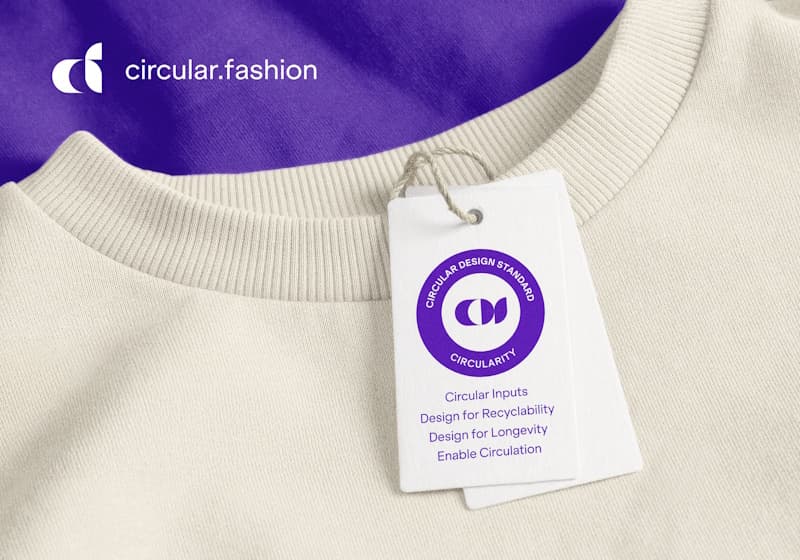
Circular.fashion just took circular design out of the mood-board stage and pushed it straight into compliance territory. Its updated Circular Design Standard, version 6.0, arrived in May 2026 with more than 400 fibre- and product-specific requirements meant to make recyclability, durability and repairability measurable, not aspirational. That is the kind of shift brands cannot fake with a clever fabric story or a vague hangtag.
The real sting is in the workflow. The standard is built around four pillars, Circular Inputs, Design for Recyclability, Design for Longevity and Enable Circulation, which means product teams have to think beyond silhouette and sell-through. Designers will need to choose materials that can actually move through recovery systems. Sourcing teams will have to document fibre content with far more precision. Trim buyers, the people who usually get ignored until something goes wrong, suddenly matter because snaps, zips, coatings and mixed-material details can decide whether a garment can be sorted, repaired or recycled at all. And data teams will have to capture product information in a way that can survive a regulatory audit, not just a marketing deck.
Circular.fashion says the standard has already been used since 2020, under the earlier Circular Design Criteria name, to verify hundreds of textile products. Version 6.0 is now presented as a digital, third-party certification system for apparel, with accessories, footwear and home textiles next in line. That matters because the European Union is moving in the same direction, only with a harder edge. The Ecodesign for Sustainable Products Regulation entered into force on 18 July 2024, and the European Commission adopted its 2025 to 2030 working plan on 16 April 2025 with textiles, especially apparel, at the front of the queue.
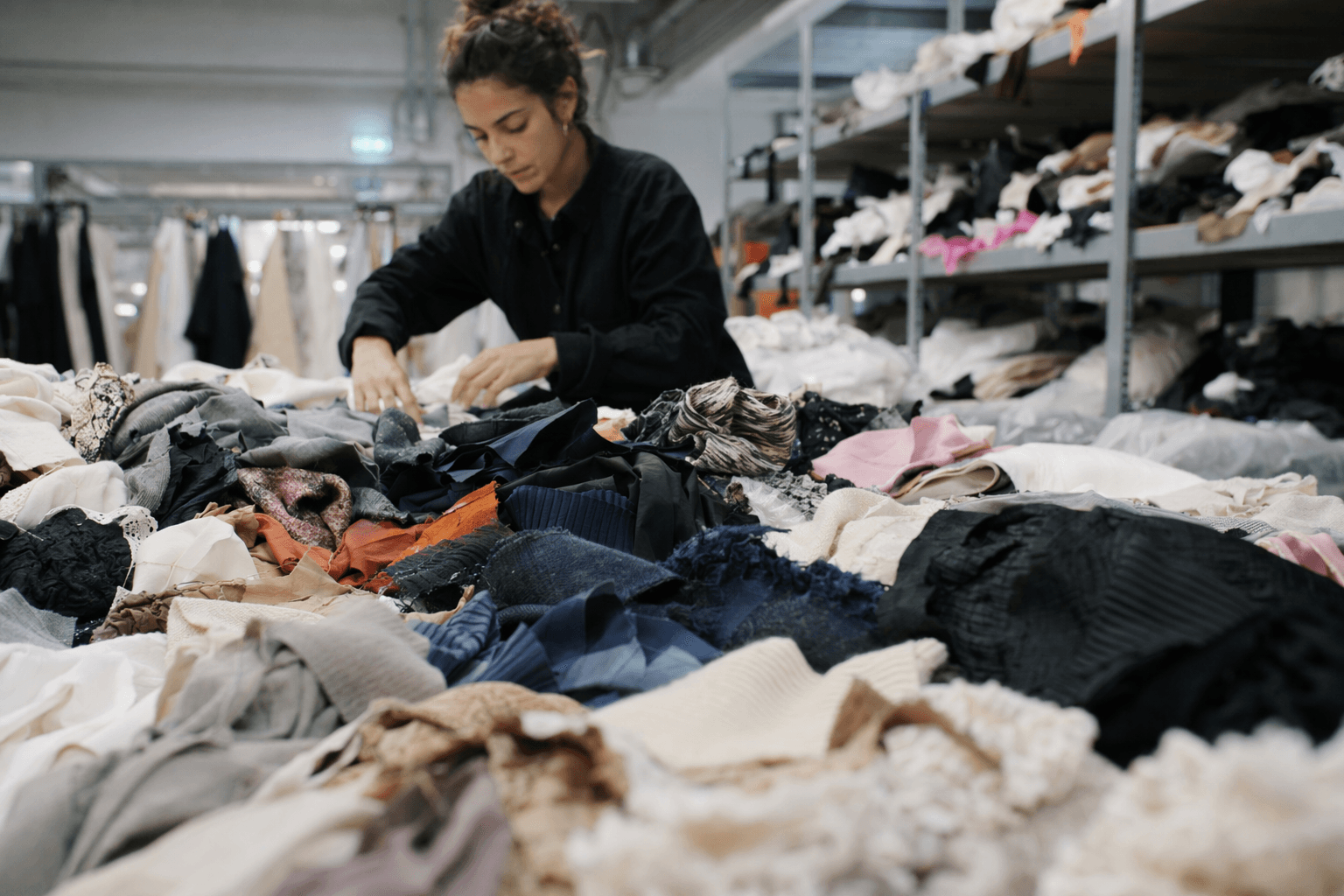
The Commission has already signaled where this is headed: minimum durability, spare-parts availability, minimum recycled content and product information delivered through the Digital Product Passport. In other words, brands will be expected to prove what a product is made of, how long it lasts and what happens to it at end of life. That is a brutal test for companies still running material data in scattered spreadsheets and email chains.
The policy pressure is not abstract, either. The Commission says textile consumption ranks fourth for environmental and climate impact among consumption categories, after food, housing and mobility. About 5 million tonnes of clothing are discarded each year in the EU, roughly 12 kg per person, and only 1% of clothing material is recycled into new clothing. Against that backdrop, Circular.fashion’s updated standard reads like a practical roadmap for brands trying to get ahead of delegated acts, digital passports and tougher textile compliance before the rules harden.
This article was produced by Prism’s automated news system from verified source data, official records, and press releases, then run through automated quality and moderation checks before publishing. The system is built and supervised by the people who set the standards it runs under. Read our full AI policy.
Did this article answer your question?


