CMAI launches used-clothes upcycling drive to cut textile waste in India
CMAI's 20,000-kilogram used-clothes drive turned World Environment Day into a test of whether India's textile waste can move from closets to reuse, not landfills.
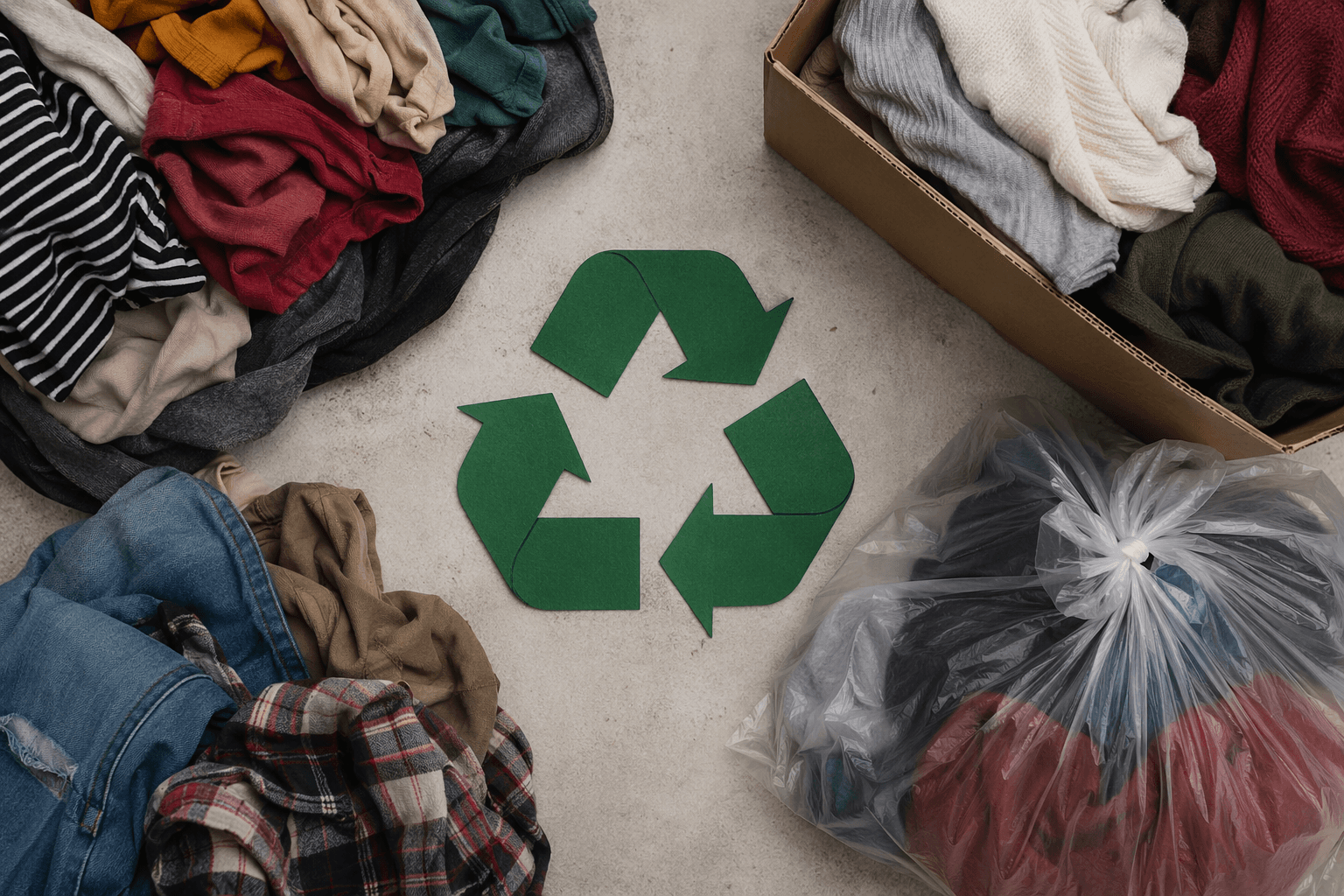
CMAI used World Environment Day in Mumbai to put a hard number on a problem the industry can no longer dress up as awareness: 20,000 kilograms of used clothing and household textiles to be collected, sorted and pushed back into circulation. The Clothing Manufacturers Association of India launched the Mega Used Clothes Upcyclon with UNIDO, ReFiber, OteriRi, Tisser, World Trade Center Mumbai and Lions International, giving the circularity conversation a practical frame instead of a ceremonial one.
That matters because post-consumer waste is the real choke point in India’s textile system. Recent estimates put annual textile waste at about 70.73 lakh tonnes, with 58 percent coming from post-consumer disposal and 42 percent from pre-consumer sources. Separate reporting says nearly two-thirds of discarded household apparel ends up in landfills or open dumps, which is exactly the failure mode circular fashion is meant to avoid. The easy part is collecting a promise; the difficult part is building the bins, sorting lines, grading expertise and end markets that can turn a closet clean-out into a usable feedstock.
CMAI said the campaign was designed to strengthen post-consumer textile waste management, which it described as essential to full circularity in the apparel sector. That is the right emphasis. Recycling does not begin with a slogan. It begins with households separating worn tees, shirts, denim and home textiles, then moves through collection, manual and mechanical sorting, resale, repair, upcycling and, only at the end, recycling. Each step needs infrastructure and a business case, especially if India wants to move beyond the informal recovery networks that have long carried the burden of textile reuse.
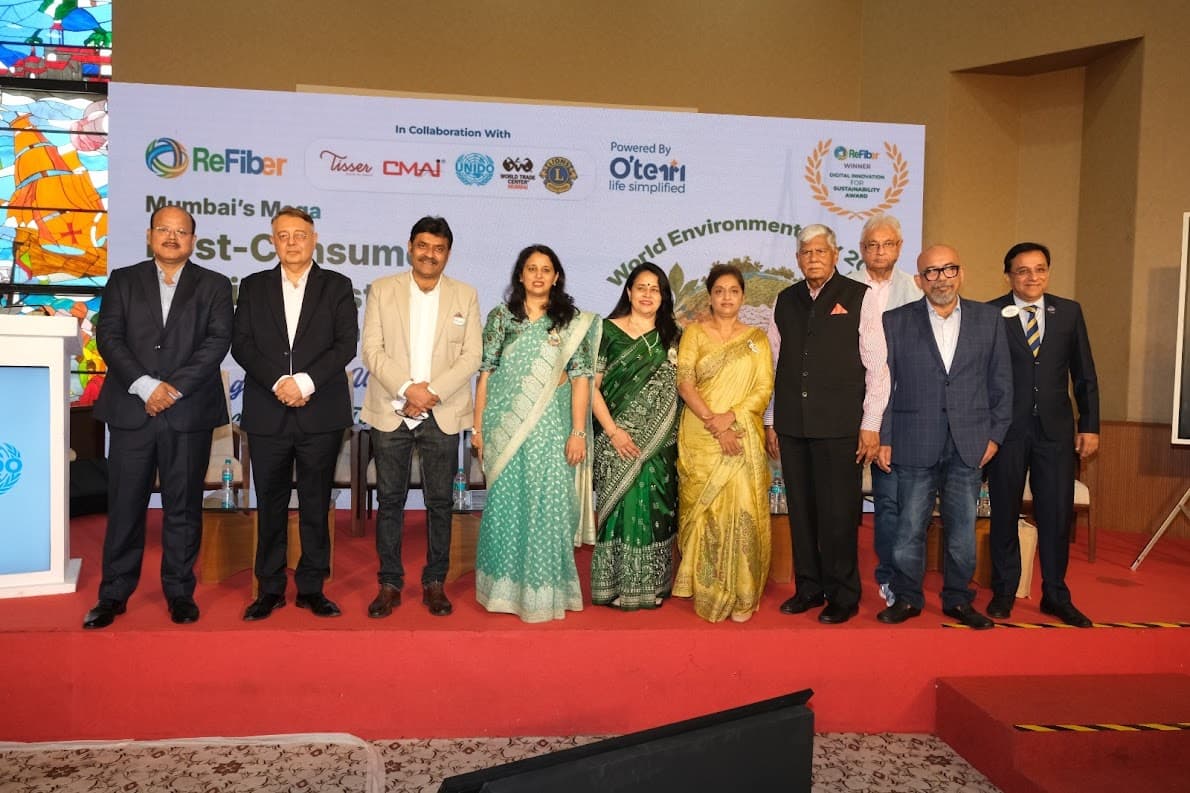
The association, which describes itself as the pioneer and most representative body of India’s apparel industry with more than 20,000 member companies, is trying to position this as a nationwide used-clothing collection and upcycling push, not a one-day campaign. It also sits inside a broader policy shift. The Indian government and UNEP launched Enhancing Circularity and Sustainability in 2023 for the textiles and apparel sectors, and a Ministry of Textiles report in 2026 mapped the textile-waste value chain and identified circular-economy opportunities. UNIDO, meanwhile, says it is promoting circular economy work in textiles and garments in countries including India by reusing, recycling and converting waste into economically viable and socially beneficial products and services. The question now is whether India can build the collection systems, incentives and consumer habits that make that promise scale.
This article was produced by Prism’s automated news system from verified source data, official records, and press releases, then run through automated quality and moderation checks before publishing. The system is built and supervised by the people who set the standards it runs under. Read our full AI policy.
Did this article answer your question?


