Dr Martens and Margaret Howell rework 1461 with chrome-free leather
Chrome-free leather, archive details and Northamptonshire craft give the 1461 a longevity case that feels built for wear, not display.
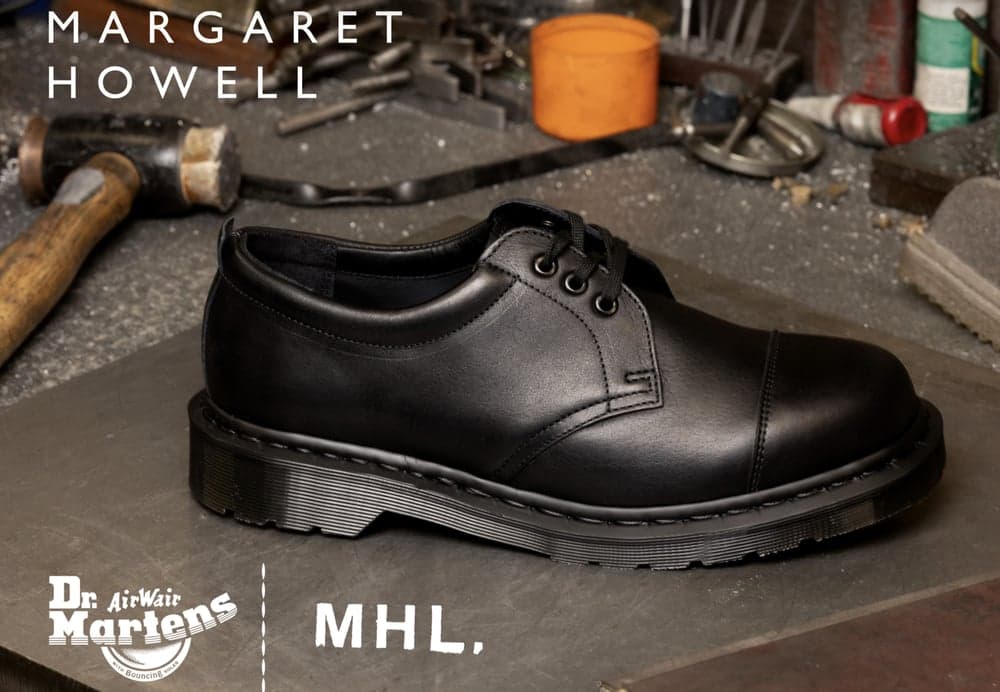
Dr Martens has taken one of its most familiar shapes, the 1461, and made the case for keeping it in circulation longer rather than chasing something new. The shoe has been reworked with chrome-free leather from C.F. Stead and made in Northamptonshire, with a softened finish designed to age and patina instead of looking pristine forever. Presented in Florence on June 17, 2026, the result reads less like a seasonal drop than a durability argument in leather and stitch.
That argument starts with the 1461 itself. Dr Martens says it was the second style the brand ever produced, first rolling off the line in 1961, and it remains an Original 3-eye shoe associated with workshops and factory floors as much as streets and stages. The model has stayed essentially unchanged, right down to the yellow stitching, which is precisely why this anniversary rework lands with force. On its 65th anniversary, the shoe is being recast as something worth preserving, not replacing.

The collaboration is the first footwear capsule between Dr Martens and MHL., Margaret Howell’s utility-led line, and the partnership is built around shared restraint rather than novelty. Margaret Howell describes itself as contemporary British design since 1970, and Michael Ford, Dr Martens’ head of brand concepts and partnerships, said the project began with deep respect for that approach and drew details directly from the archive. In other words, the design language comes from revision, not reinvention.
That matters because the sustainability story here is not built on a slogan. Chrome-free leather is the practical centerpiece, and the Made in England production line in Wollaston, Northamptonshire gives the shoe a manufacturing pedigree that supports the longevity pitch. Dr Martens has previously used C.F. Stead leather in other Made in England 1461 versions, including reverse suede and Commander styles, and identifies C.F. Stead as a Leeds tannery founded in 1904. The message is clear: if a shoe is meant to last, the materials and factory floor have to do more than look respectable on paper.
For a niche audience that already believes in buying better, this is where sustainable fashion can move beyond marketing. The appeal is not that the 1461 has been made trendy again, but that its value is tied to how it wears in, not out. A softened leather upper, archive-led detailing and Northamptonshire hand-craft give the collaboration a sturdier claim than most virtue-signaling capsules: this is product strategy built around keeping a shoe in the wardrobe, and on the foot, for years.
This article was produced by Prism’s automated news system from verified source data, official records, and press releases, then run through automated quality and moderation checks before publishing. The system is built and supervised by the people who set the standards it runs under. Read our full AI policy.
Did this article answer your question?