Earth Day Pushes Fashion Brands Toward Real Sustainability Changes
Earth Day is turning fashion into an operations audit, with real progress showing up in sourcing, resale and supply-chain data, not campaign language.

The new sustainability test
The fashion brands worth watching now are not the ones with the glossiest Earth Day palette. They are the ones changing what happens before a garment ever reaches a hanger, from fiber choice to milling, dyeing, washing, energy use and measurement. Forbes has framed the shift clearly: sustainability is moving into sourcing, production, accessories and resale, where the business either changes or it doesn’t.
The reason this matters is hard to ignore. UNEP says textiles account for 2 to 8 percent of global greenhouse-gas emissions, use the equivalent of 86 million Olympic-sized swimming pools of water each year, and carry a sizeable chemical footprint. UNFCCC puts about 80 percent of fashion-sector emissions inside the supply chain, which is why the smartest brands are looking upstream instead of stopping at consumer-facing campaigns. If the work does not reach the factories, mills and finishing stages, it is mostly branding.
Where real change starts: materials, mills and energy
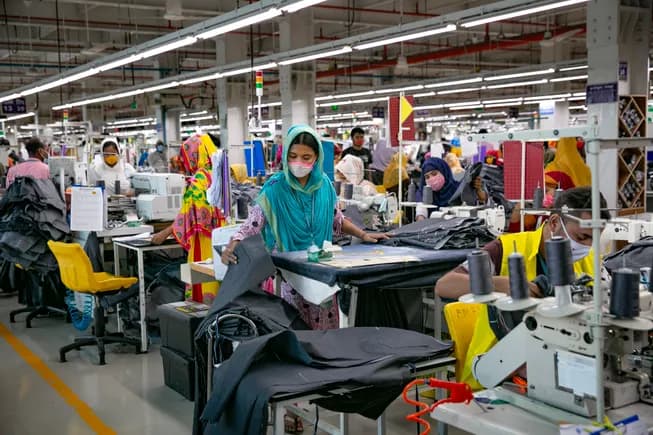
The cleanest-looking runway story can still hide a messy production system. Real progress begins with raw materials, then runs through the places that make fabric feel luxurious or cheap: the mill, the dye house, the wash house, the power source, and the data system that tracks it all. That is where brands can actually reduce fossil-fuel dependence, electrify processes, improve energy efficiency and measure what is happening rather than simply promise improvement.
UNEP’s warning about overconsumption and waste pollution is the part of the story that fashion can no longer style away. The industry has long relied on a take-make-waste model, which the Ellen MacArthur Foundation argues must give way to a reuse-based system that is restorative and regenerative by design. That is not a poetic reset; it is a structural one. It means fewer excuses for opaque sourcing, fewer shortcuts in wet processing, and more pressure to prove that growth is not simply being layered on top of the same environmental damage.
Accessories are the tell
Accessories are often where sustainability language either gets serious or gets exposed. Bags, belts, shoes and small leather goods may look like supporting characters, but they reveal whether a brand has extended its standards across the whole line or only to the visible hero pieces. When a brand talks about sustainable accessories, look for the same discipline you would expect in apparel: lower-impact materials, cleaner production, longer-lasting construction and fewer wasteful trims and finishes.
This is where campaign language often falls apart. A seasonal color story can be recast as responsible design in a minute, but a true operational shift shows up in the details you can touch: sturdier stitching, better hardware, fewer chemical finishes and packaging that does not scream excess. The point is not that every accessory has to be minimalist. The point is that the supply chain behind it has to behave like the brand is accountable.
Resale is no longer the side door
The secondhand market has moved from niche to material. ThredUp’s 2025 Resale Report, its 13th annual edition, says the U.S. secondhand market is expected to reach $78.8 billion by 2030. That scale tells you resale is no longer a moral add-on; it is a business model with real momentum.
What is especially telling is how normal secondhand is becoming to shop. ThredUp says 48 percent of consumers find secondhand apparel as easy to buy as new because personalization, search and discovery have improved. It also says 39 percent of younger-generation shoppers bought secondhand apparel on a social-commerce platform in the last 12 months. That is the market speaking in plain terms: if resale is easy to find, easy to trust and easy to fit into daily shopping habits, it stops feeling like compromise and starts feeling like style.
The production numbers are still the hard truth
The latest decarbonization data shows why fashion cannot confuse movement with progress. Cascale’s 2026 Decarbonization Progress report, based on verified Higg Facility Environmental Module data from 2023 and 2024, found that apparel, footwear and textiles emissions rose 7.5 percent in 2023. That is the tension in one number: even as brands improve measurement and efficiency, total emissions can still climb when production scales faster than the fixes.
This is where scrutiny has to stay sharp. Measurement matters, but only if it leads to lower energy use, cleaner materials and less wasteful output. A brand can have better dashboards and still be moving in the wrong direction if it keeps pushing volume without changing the machinery underneath it. Real accountability is not how much data a label collects. It is whether the data forces a change in how many goods are made, how they are made and how long they stay in use.
Policy is about to make the conversation less optional
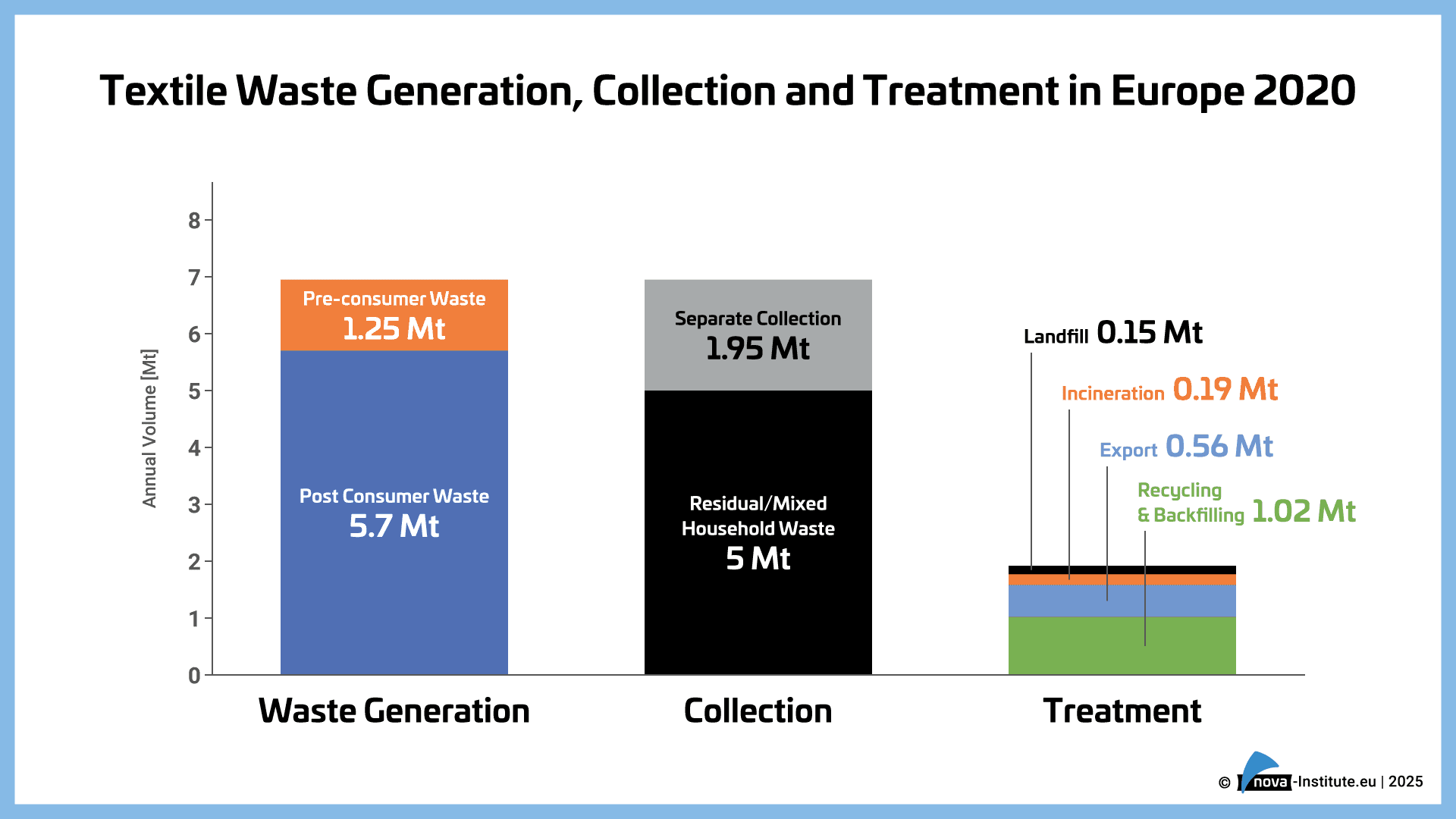
The pressure is no longer coming only from shoppers. Textile Extended Producer Responsibility has become a live policy issue in the U.S. fashion sector, and analysts and industry coalitions are treating 2026 as a key year for state-level legislation. That matters because it pushes the cost of textile waste back toward the companies that create it, instead of leaving the burden with cities, recyclers and consumers.
This is the moment when sustainability stops being a campaign calendar item and becomes part of operating costs, compliance planning and product strategy. Brands that have already built repair, resale and recycling into their systems will be better positioned than brands still treating circularity like a side project. The difference will show up in who can adapt quickly and who is forced to scramble.
How to spot a brand that has moved past the slogan
- It names materials, factories or processes, not just values.
- It reports measurable progress, not only intentions.
- It talks about supply-chain emissions, energy use and production methods, not just packaging.
- It has a resale, repair or take-back model that is easy to use.
- It shows how accessories, trims and finishes fit into the same standards as apparel.
- It can explain how growth is being managed without simply producing more of everything.
That is the shift Earth Day is revealing in fashion: not a prettier story, but a harder one. The brands that matter now are the ones proving that sustainability is not a seasonal message. It is an operating model, and the evidence lives in the supply chain.
This article was produced by Prism’s automated news system from verified source data, official records, and press releases, then run through automated quality and moderation checks before publishing. The system is built and supervised by the people who set the standards it runs under. Read our full AI policy.
Did this article answer your question?