eBay crowns AI textile sorter Trosort as circular fashion winner
Trosort won eBay’s 2026 circular fashion fund with AI sorting that could turn textile waste into feedstock, not landfill.
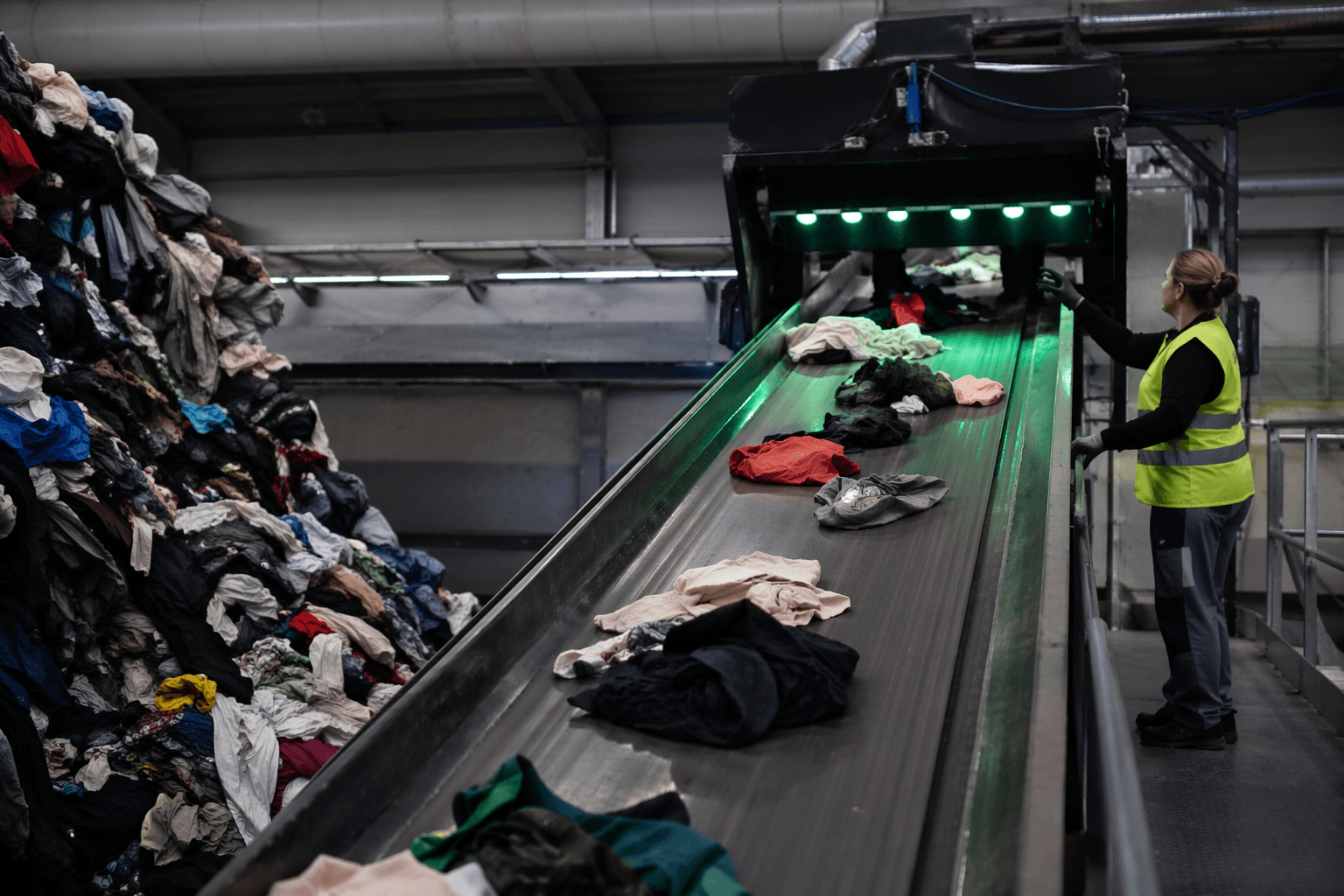
Circular fashion keeps getting stuck at the same ugly seam: sorting. Resale is glamorous, repair is virtuous, recycling sounds clean on a slide deck, but none of it works if post-consumer clothes arrive in tangled heaps that still need to be identified, graded, and separated by hand. That is why eBay’s 2026 Circular Fashion Fund put Trosort on top. The AI-powered textile sorter won the global prize and is eligible for a $300,000 investment from eBay Ventures, a signal that the bottleneck is finally getting the attention it deserves.
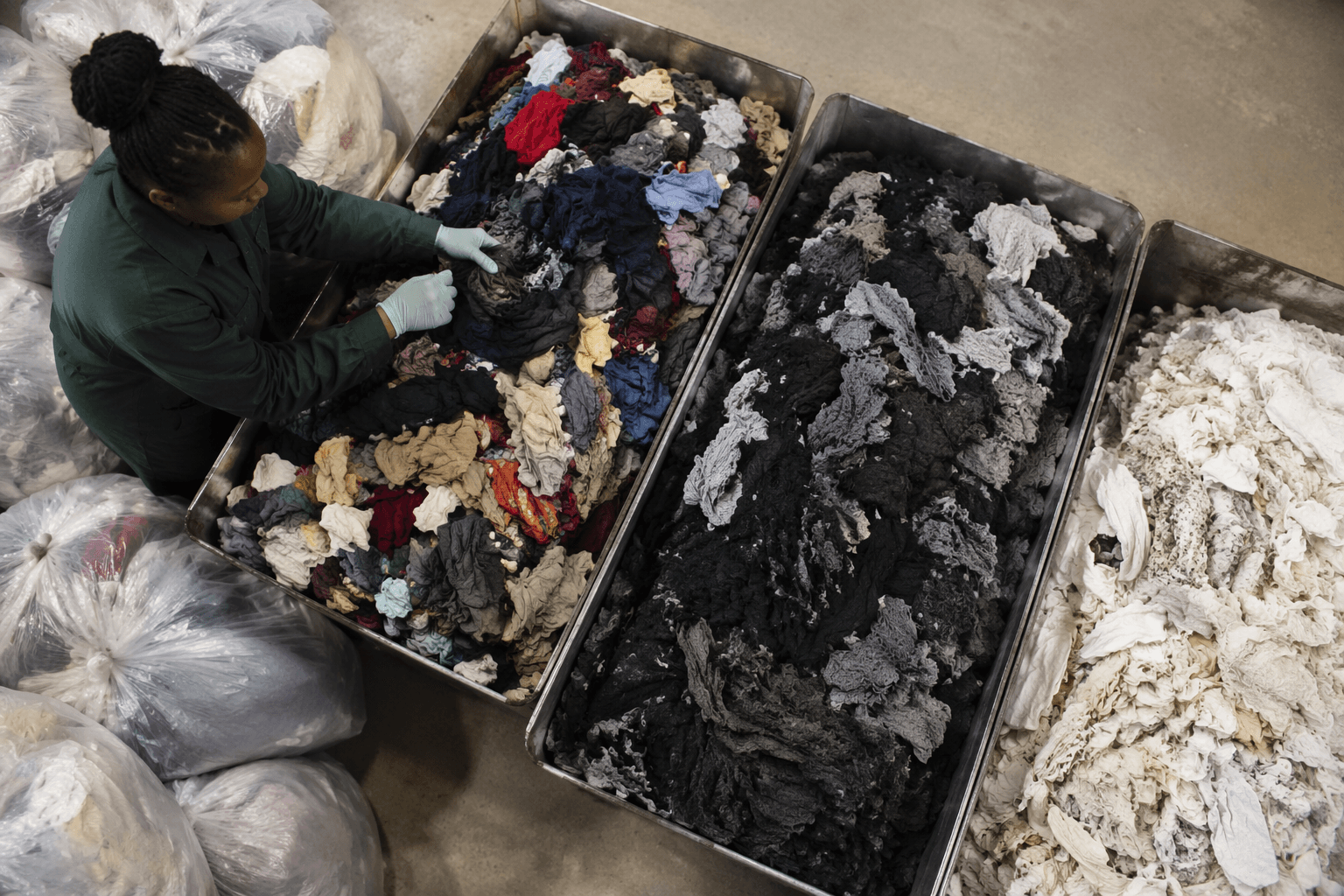
The win matters because Trosort is not pitching abstract sustainability. Its system says it can sort textiles for reuse and recycling in a single pass, identifying brand, defects, size, color, garment type, and material composition with AI, 360-degree imaging, and NIR sensors. That is the kind of unsexy infrastructure fashion has ignored for too long, even though the whole circular economy depends on it. If a flow of deadstock, worn tees, denim, and synthetics can be triaged fast enough and clean enough, suddenly more of it stays in circulation instead of getting written off as trash.
eBay’s fund has been building toward this moment. In 2026, the program entered its fourth year and expanded for the first time into the European Union, Switzerland, and Canada. Eight selected businesses each received a $50,000 grant plus mentoring and workshops, while one global winner could unlock the extra $300,000 eBay Ventures investment. Applications opened on January 14 and closed on March 8, 24 applicants were shortlisted by March 20, and eight finalists were selected by March 31 before the winner stage in May. eBay says the fund has already backed more than 25 businesses with funding and mentoring since 2022.
The bigger question is whether Trosort can move from impressive demo to industrial muscle. The metrics that will matter are painfully concrete: throughput per hour, sort purity, contamination rates, recovery yield, labor savings, and how much more valuable a bale becomes once the system has tagged it correctly. That is the difference between a cool pilot and a machine that can actually make post-consumer textile streams commercially usable at scale.
The fund’s recent track record raises the stakes. Refiberd, the California-based AI fiber-identification company, won the 2025 global prize and got a $300,000 eBay Ventures investment. eBay had already said in 2024 it expected total Circular Fashion Fund investment to reach $1.2 million by the end of 2025, and its partner list includes the British Fashion Council, Council of Fashion Designers of America, Fashion Council Germany, and Australian Fashion Council. For a market obsessed with the next drop, this is the real flex: building the machinery that lets clothes keep their value after the first owner is done.
This article was produced by Prism’s automated news system from verified source data, official records, and press releases, then run through automated quality and moderation checks before publishing. The system is built and supervised by the people who set the standards it runs under. Read our full AI policy.
Did this article answer your question?