Ecopel shifts faux fur toward bio-based PLA, targets 50% by 2027
Ecopel is retooling faux fur around PLA, with bio-based styles set to reach 20% to 30% of output this year and 50% by fiscal 2027.
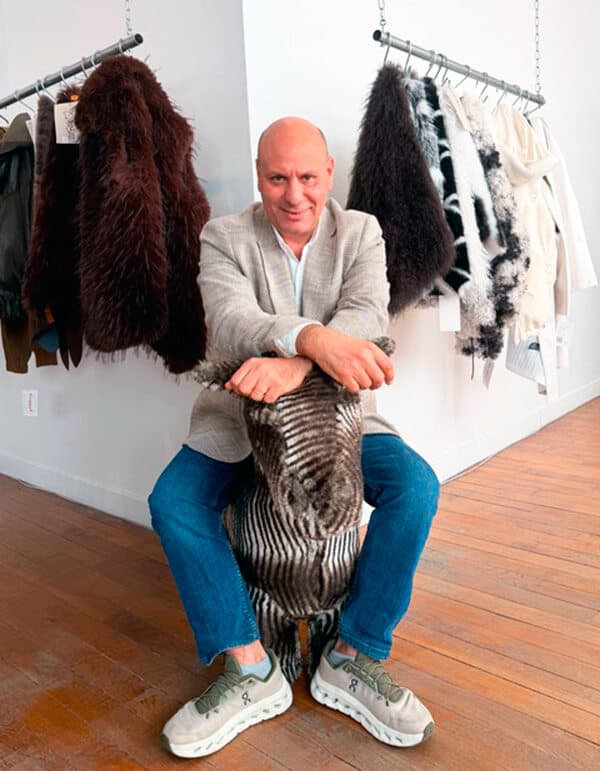
Ecopel is trying to move faux fur out of the recycled-synthetic lane and into a more deeply bio-based one, and the real test is not the look of the pile. It is whether mills can absorb new machinery, whether brands will pay roughly 30% more than recycled polyester production, and whether buyers will make room for a material shift that Ecopel says is already climbing from 20% to 30% of output this year to half of production by fiscal 2027.
The French maker is building that pivot around PLA, and it says the transition now reaches beyond surface texture. Ecopel says its engineering teams have designed both the pile and the backing from PLA, a notable step for a category that has long leaned on fossil-based synthetics dressed up as better alternatives. In practical terms, that matters because faux fur is only as scalable as its weakest layer: if the backing, hand, and durability do not hold up, the sustainability story falls apart before it reaches the shop floor.

Ecopel’s most visible bio-based line is KOBA®, which it launched with Stella McCartney in 2019 and describes as the first bio-based faux fur on the market. The company says KOBA uses fibers made from corn waste, and its product page says the faux fur can be made with up to 100% Sorona® fibers. That puts the brand in a small but increasingly strategic corner of the market, where the pitch is no longer just recycled content but a closer break from virgin fossil-based inputs altogether.

The company has been building toward that position for years. Ecopel and DyeCoo developed a recycled polyester fur dyed without water after a three-year collaboration prompted by Kering, a sign that the business has already treated lower-impact processing as a technical problem rather than a marketing exercise. Ecopel has also expanded its recycled polyester teddy and wooly ranges, and on Ecopel Talk it showed a patchwork vest built from KOBA bio-based fur, GACHA biodegradable faux fur, and UMI Collection material made from up-cycled ocean waste collected by Seaqual.
That broader portfolio makes the current PLA shift look less like a one-off and more like a manufacturing reset. Ecopel launched House of Faux Fur, then bought a stake in Silmatex, the Spanish faux-fur specialist north of Barcelona, and later acquired Fake Fur Shop. Those moves signal consolidation at the same moment the company is reworking its materials mix, a combination that could give Ecopel more leverage if bio-based faux fur proves it can perform, price, and scale well enough to move from a niche share to a majority one.
This article was produced by Prism’s automated news system from verified source data, official records, and press releases, then run through automated quality and moderation checks before publishing. The system is built and supervised by the people who set the standards it runs under. Read our full AI policy.
Did this article answer your question?