Egyptian researchers turn prickly pear peel waste into wool dye
Egyptian researchers made wool dye from prickly pear peel waste, and the microwave-treated fabric reached UPF 50+ with up to 85% bacterial reduction.
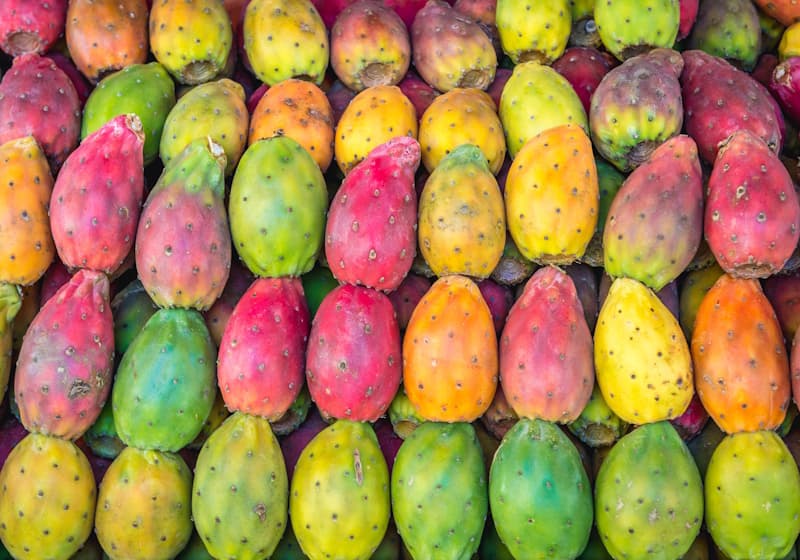
Egyptian researchers have turned prickly pear peel waste into something mills can actually measure, test, and, if the process scales, use. The appeal is not just color. Wool dyed with the microwave-assisted method came back with stronger shade depth, better fastness, high UV protection, and antibacterial performance, all while cutting wastewater burdens.
The work, published June 8, 2026 in Scientific Reports, came from Lamiaa K. El Gabry, Thanaa F. Abdelhafez, and Osama A. Hakeim at the Textile Research and Technology Institute of the National Research Centre in Cairo. Their paper, Up cycling prickly pear peel waste for sustainable wool dyeing using microwave irradiation, compared a conventional mordant-assisted route using 4% tannic acid with a mordant-free microwave process built around prickly pear peel extract from Opuntia ficus-indica, a byproduct rich in betalain pigments.
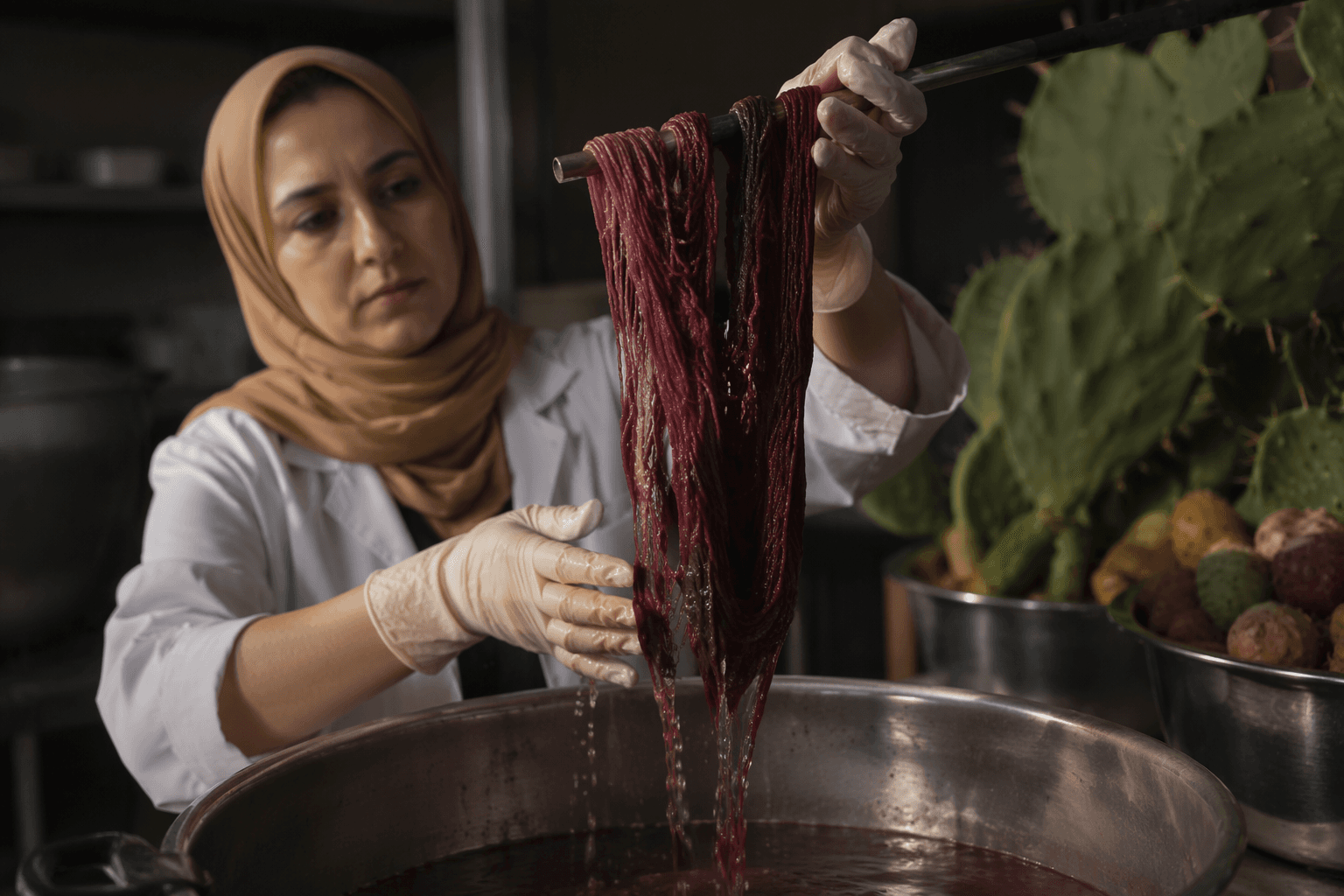
That comparison is the point. The team optimized dyeing time and pH, then found that microwave-assisted dyeing sharply reduced processing time and energy consumption while improving color strength and fastness. Ecotextile reported that the microwave-dyed wool reached UPF 50+ and delivered up to 85% bacterial reduction, a combination that makes the fabric more than decorative. In fashion terms, it pushes the material closer to a true performance textile, one that could conceivably reduce the need for separate UV-blocking or antibacterial finishing steps.
The wastewater numbers matter just as much. The microwave route produced effluent with lower biological oxygen demand, chemical oxygen demand, and total dissolved solids than the tannic-acid-assisted method. For any dye house, that is the difference between a clever laboratory result and a process that starts to look commercially persuasive. Lower energy use, shorter dyeing time, and cleaner wastewater are the three pressure points that matter when a formulation leaves the bench and meets production reality.
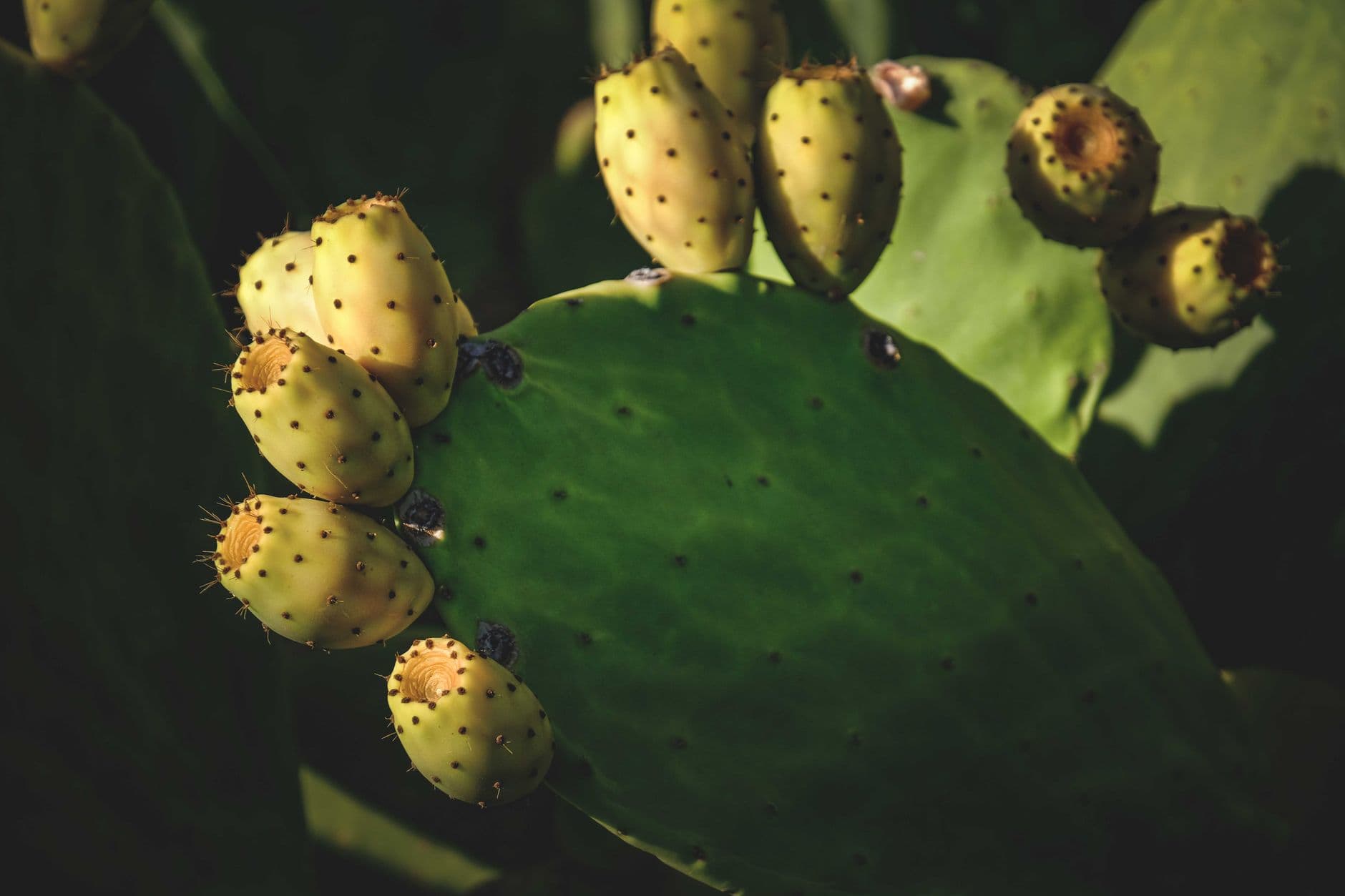
There is also precedent here. Earlier studies had already explored prickly pear as a dye source, including a 2010 wool-dyeing study using red prickly pear and a 2020 paper on extracting natural dyes from Opuntia ficus-indica peel waste. The new research sharpens that idea into a more industrial question: can agricultural peel waste become a reliable natural colorant with built-in functional benefits? WWD described it as a “promising eco-friendly method for generating protective and hygienic fabrics,” and that is exactly where the story now sits, between lab proof and mill adoption.
This article was produced by Prism’s automated news system from verified source data, official records, and press releases, then run through automated quality and moderation checks before publishing. The system is built and supervised by the people who set the standards it runs under. Read our full AI policy.
Did this article answer your question?


