Ellen MacArthur Foundation pushes tax reforms to boost resale and repair
The coalition wants Europe to cut VAT and North America to scrap sales tax on resale and repair, arguing today’s tax code favors new clothes.

New clothes still get the easiest ride in fashion, and that is exactly the distortion the Ellen MacArthur Foundation is targeting. Its latest push says resale and repair are being priced like fringe services while fresh production keeps benefiting from a tax and policy setup that favors volume, not longevity.
The Foundation’s report, The new bottom line: Policy levers to scale resale & repair for fashion, was published on 21 May 2026 and makes the business case bluntly. Circular models such as resale and repair, it argues, are a multi-billion dollar opportunity for resilience and jobs, but today’s system is stacked against them. The coalition says targeted policy changes could lift gross profit margins to as much as 55% for resale and 41% for repair, a gap that comes down to rules, not taste.
The ask is practical, not dreamy. In the European Union, the coalition wants reduced VAT on secondhand goods and repair services. In North America, it wants sales tax removed on resold products and repairs. It also wants lower labour taxes and tax credits for resale and repair jobs, plus textile extended producer responsibility funding to pay for collection and sorting infrastructure. That last piece matters because repair shops and recommerce operators can only scale if the clothes actually flow through a system built to capture, sort and resell them.

The business statement behind the campaign is backed by 69 organizations, including Arc’teryx, Etsy, H&M Group, Primark, Vinted and Zalando, alongside ThredUp, Vestiaire Collective, Fashion for Good, Global Fashion Agenda and Policy Hub. The lineup says a lot. This is not a niche sustainability club anymore; it is a cross-section of the resale and mainstream fashion machine trying to force policy to catch up with what shoppers are already doing.
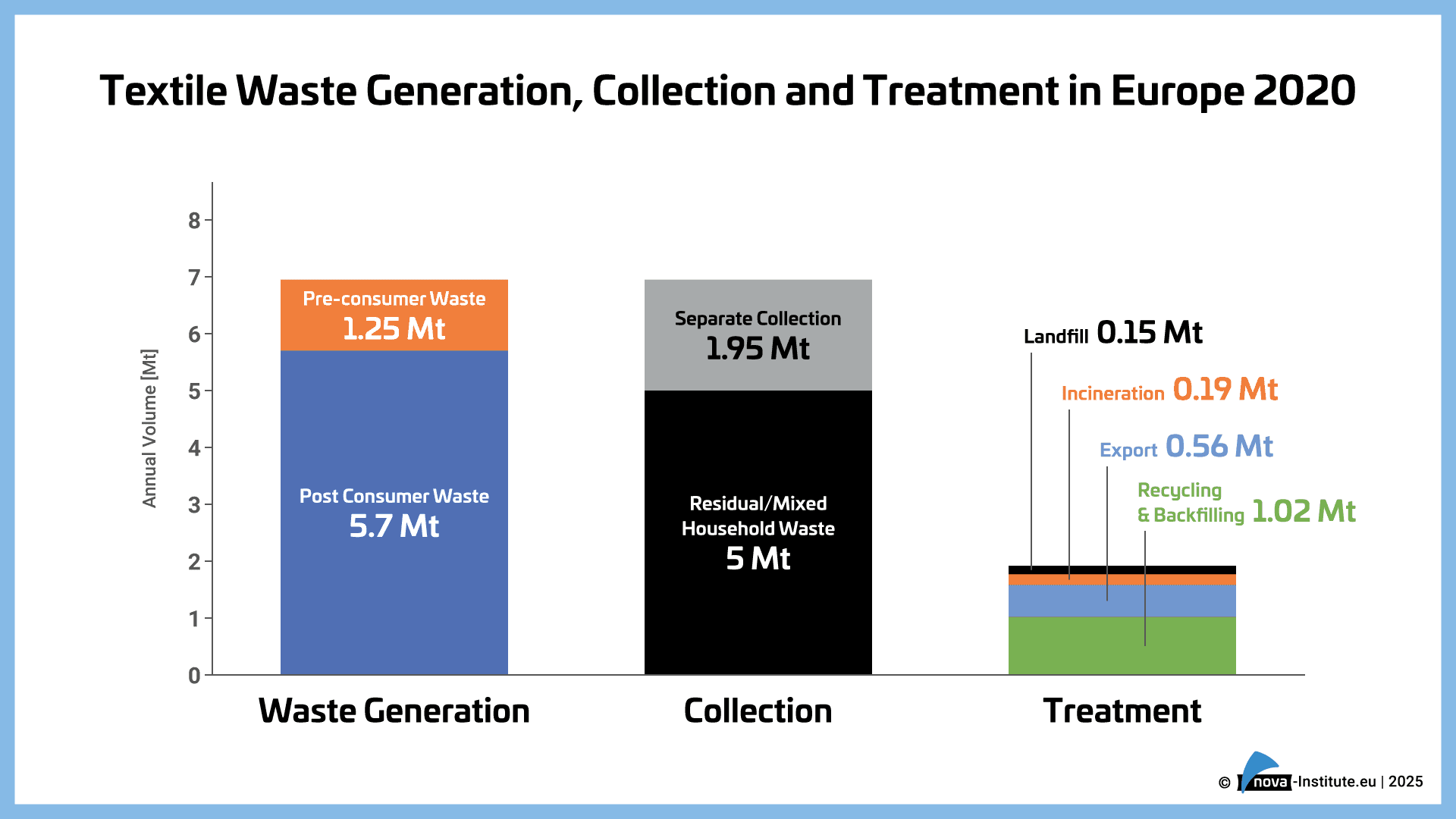
The timing is sharp. The European Union’s revised Waste Framework Directive entered into force on 16 October 2025, introducing common rules for textile EPR. The European Commission said the EU textile and clothing sector generated €170 billion in turnover in 2023 and employed 1.3 million people across 197,000 companies. In Canada, Quebec’s EPR funding transition runs from 2024 to 2026, and British Columbia already has apparel and textile producer responsibility requirements in force. The United States remains a patchwork, with state sales-tax and resale rules but no national textile EPR framework.

The commercial upside is already visible. ThredUp’s 2026 Resale Report projects the global secondhand apparel market will reach $393 billion by 2030, about 10% of total apparel spend. It says U.S. resale is growing nearly four times faster than the broader retail clothing market, and that Gen Z and Millennials will drive more than 70% of market growth through 2030. The message from the coalition is simple: if governments want circular fashion to scale, they need to stop taxing the old system’s habits and start rewarding the businesses keeping clothes in play longer.
This article was produced by Prism’s automated news system from verified source data, official records, and press releases, then run through automated quality and moderation checks before publishing. The system is built and supervised by the people who set the standards it runs under. Read our full AI policy.
Did this article answer your question?