Erasmus+ project expands sustainable fashion training across Latin America
FashionSkills4Better is building Latin American living labs, an eight-module course and badge system to close fashion’s circular skills gap.
Circular fashion has a bottleneck, and it is not in the runway imagination. It is in the workshop, the classroom and the factory floor, where brands, educators and small businesses still lack the same vocabulary for repair, reuse, digital tools and regenerative design. FashionSkills4Better was launched to address that gap with a 30-month Erasmus+-funded project built around nine partners from six countries, and its ambition is practical rather than symbolic: teach the people who train the industry how to make circular fashion work at scale.
The project, identified as ERASMUS-EDU-2025-CB-VET-LA, puts Latin America at the center, with stated country priorities in Argentina, Uruguay and Colombia. Materahub describes the consortium as spanning Spain, Italy, Denmark, Argentina, Colombia and Uruguay, a cross-continental mix that gives the initiative its value. This is not a prestige partnership for its own sake. It is a skills exchange designed for vocational education and training, with direct beneficiaries including VET trainers, teachers and educators, and indirect beneficiaries reaching VET students, fashion professionals and local SMEs.
What FashionSkills4Better plans to build is as important as who it is trying to reach. The consortium says the project will deliver a 25-hour online course split into eight modules, with content shaped around GreenComp, DigComp 2.0 and EntreComp competencies. It will also create four Living Fashion Labs in Argentina, Uruguay and Colombia, plus Open Badge certification for participants and a Skills4Sustainability Playbook meant to help others replicate the model after the project ends. That blend of online learning, hands-on experimentation and credentialing is where the project looks most relevant to an industry still struggling to turn sustainability from a slogan into a working skill set.

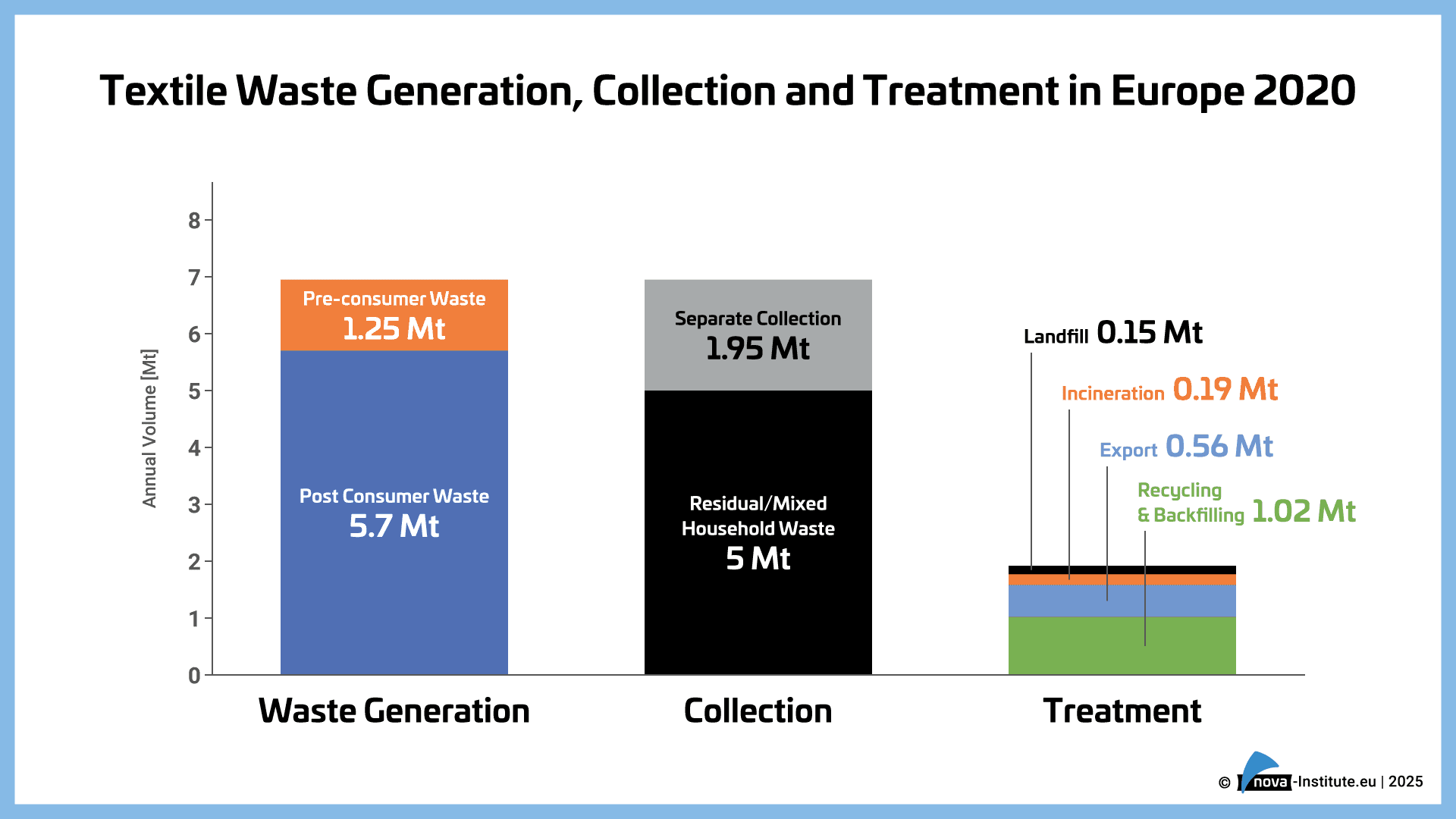
The timing is sharp. The European Commission says textile consumption has, on average, the fourth-highest environmental and climate impact among consumption categories after food, housing and mobility. The European Environment Agency says Europeans are buying and discarding more clothing, footwear and textiles than ever before. The United Nations Environment Programme estimates textiles produce 2 to 8 percent of global greenhouse gas emissions. Against that backdrop, a training initiative may sound modest, but the fashion sector’s green transition depends on exactly this kind of unglamorous infrastructure: trainers who can teach circularity, factories that can adapt, and local businesses that can use the tools.
FashionSkills4Better arrives as part of a wider push to update fashion education for a more circular economy, but its strongest feature is the bridge it builds between Europe and Latin America. If the project works, its real legacy will not be the badge alone. It will be a transferable model for how fashion skills are taught, measured and deployed in an industry that can no longer afford to treat sustainability as an optional specialty.
This article was produced by Prism’s automated news system from verified source data, official records, and press releases, then run through automated quality and moderation checks before publishing. The system is built and supervised by the people who set the standards it runs under. Read our full AI policy.
Did this article answer your question?