Ethiopian factory bacteria could clean up toxic textile dyes
Bacteria pulled from an Ethiopian garment factory survived 38 C wastewater and 2,866 mg/L of dissolved solids, hinting at a cheaper dye-treatment route.
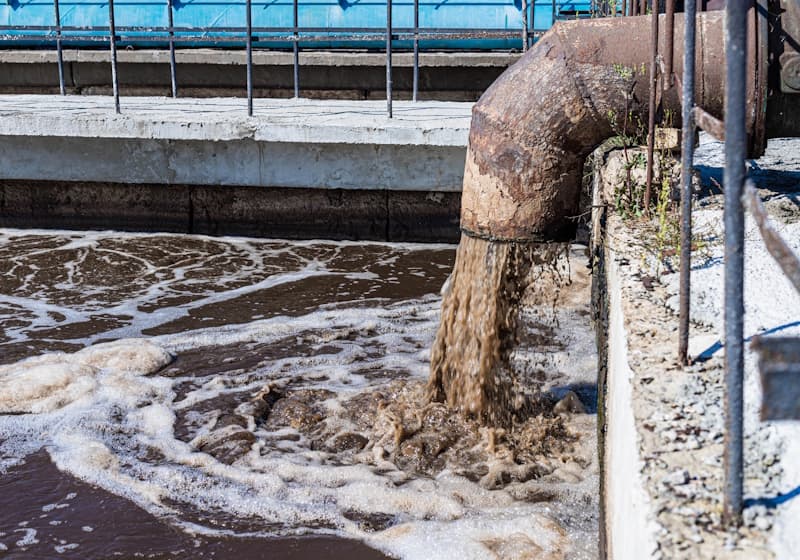
A set of indigenous bacteria from a garment factory in northern Ethiopia is emerging as a sharp, practical answer to one of fashion’s dirtiest afterlives: colored wastewater that resists easy cleanup. Mekelle University tested microbes taken from the Maa Garment and Textile Factory near Mekelle and found they could biodegrade synthetic dyes under conditions that look far closer to a working mill than a petri dish fantasy.
That matters because textile wastewater is not just unsightly; it is a hard industrial problem. Recent reviews put the textile industry behind nearly 20 percent of industrial water pollution, and a Scientific Reports paper cited in the research notes says textile effluents can carry 10 to 15 percent unused synthetic dyes. Add salt, heat, and mixed chemical load, and many conventional treatments become expensive, sludge-heavy, or difficult to run consistently.

The Ethiopian samples were especially telling. The factory effluent showed a neutral to slightly alkaline pH, temperatures reaching 38 C, and total dissolved solids as high as 2,866 mg/L. In other words, these microbes were not selected from a pristine lab flask. They were isolated from wastewater that already had the heat and salinity that can blunt many biological systems. That is where the story turns from abstract sustainability to operations: if a bacterium can keep working in hot, salty effluent, it may complement existing treatment trains without forcing a factory into a full chemical overhaul.
Biological dye treatment has long been attractive because it is generally lower-cost and more environmentally sustainable than some physicochemical methods. The Mekelle work strengthens that argument by showing that local microbes, adapted to Ethiopian factory conditions, can carry real promise for bioremediation. It also fits a wider pattern in the field, where researchers are finding dye-degrading bacteria in textile effluents and in Ethiopia’s own alkaline Lake Chitu, whose alkaliphilic microbial consortia were used in a 2024 study to treat both synthetic and real textile wastewater.
Still, the most important word here is potential. The research points to a scalable direction for mills that want to cut dye pollution without leaning entirely on harsh chemicals, but it does not erase the need for pilot systems, cost comparisons, and plant-level integration. For now, the most compelling thing about these Ethiopian bacteria is not that they have solved textile wastewater. It is that they look native to the problem, and that is often where the most durable fixes begin.
This article was produced by Prism’s automated news system from verified source data, official records, and press releases, then run through automated quality and moderation checks before publishing. The system is built and supervised by the people who set the standards it runs under. Read our full AI policy.
Did this article answer your question?


