ETI 2030 strategy targets worker-centred rights in textile supply chains
ETI’s new 2030 plan puts buying practices, lead times and risk-sharing at the center of worker rights. The pressure is moving straight into procurement.
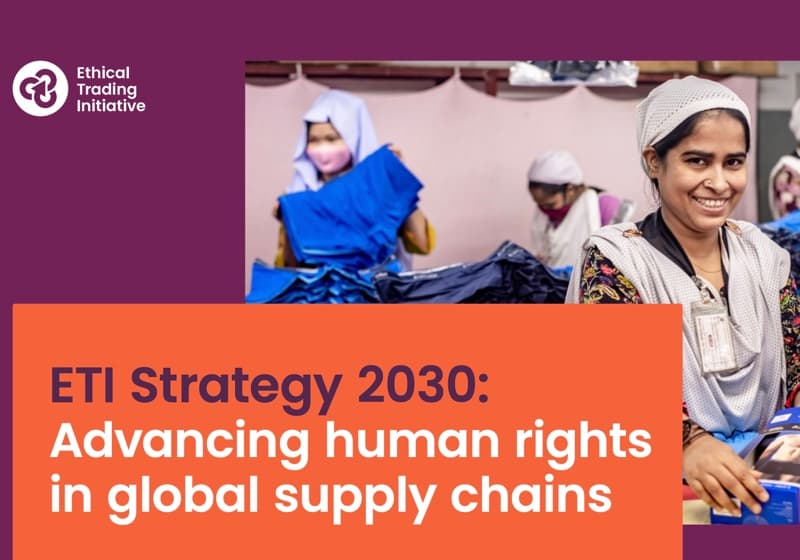
The hottest lever in textile rights is not a lofty pledge, it is the purchase order. ETI’s new 2030 strategy says worker-centred due diligence will only work if brands change how they buy, how fast they demand delivery, and how much risk they leave with suppliers.
ETI published ETI Strategy 2030: Advancing human rights in global supply chains on 27 May 2026, and the organisation is blunt about where the problem lives. The plan puts responsible purchasing, worker representation, freedom of association and regulatory preparedness at the center of its agenda, arguing that progress depends on fixing root causes such as poor purchasing practices, lack of freedom of association, gender inequality and forced labour, not just chasing the symptoms when abuse surfaces.

That matters because the ground under supply chains has shifted fast since ETI’s last strategy in 2021. Climate emergency, conflict, displacement, economic instability and the rise of AI and automation are all reshaping how textile work gets done, while new legal and regulatory frameworks, including the EU Corporate Sustainability Due Diligence Directive and other emerging national laws, are pushing corporate accountability from voluntary expectation toward hard obligation. ETI says it wants the 2030 strategy to be more practical, clear and impactful, with worker insights, agency and lived experience shaping how risks are identified and addressed.
The scale behind that push is hard to miss. ETI’s tripartite membership brings together companies, NGOs and trade unions; its international trade union members represent 160 million workers globally, and its company members have a combined turnover of more than £166 billion. That gives the initiative real leverage inside the part of the industry where fashion’s glossy language tends to stop and the operational machinery begins, in procurement teams, compliance functions and supplier negotiations.
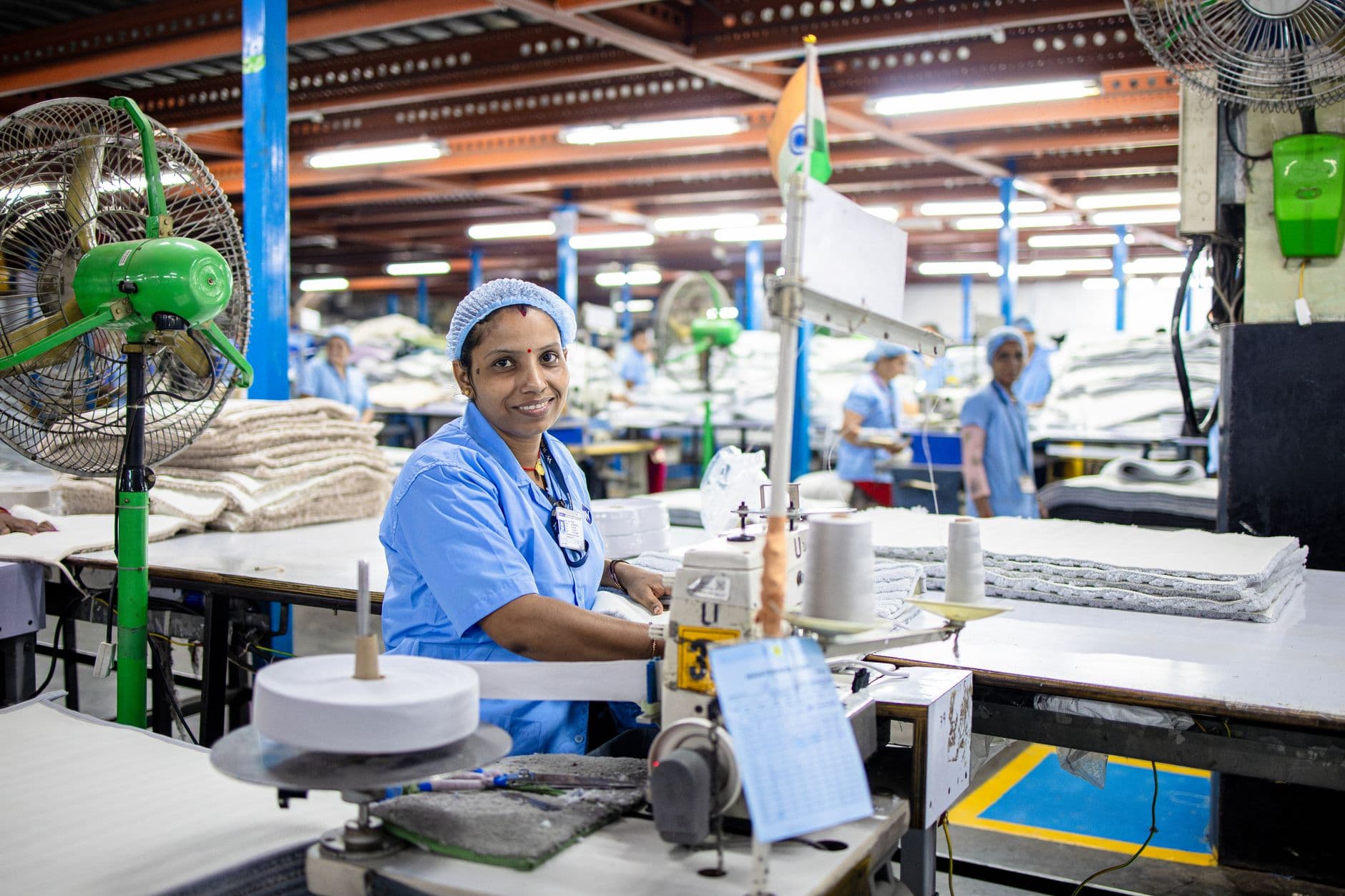
ETI has also been willing to step into the regulatory fight. In February 2025, it joined 10 other sustainability and worker-rights initiatives in urging the European Commission not to rewrite mandatory due diligence legislation in the Omnibus process. Taken together, that makes Strategy 2030 less like a mission statement and more like a stress test for the industry: if brands keep treating suppliers as the shock absorbers of the system, worker-centred rights will stay on paper, not in the factory floor reality where fashion is actually made.
This article was produced by Prism’s automated news system from verified source data, official records, and press releases, then run through automated quality and moderation checks before publishing. The system is built and supervised by the people who set the standards it runs under. Read our full AI policy.
Did this article answer your question?


