Etsy will ban animal fur after activist pressure, sparking backlash
Etsy’s fur ban turns a marketplace policy into a sustainability signal, but the move has already triggered backlash from Alaska Native artists.
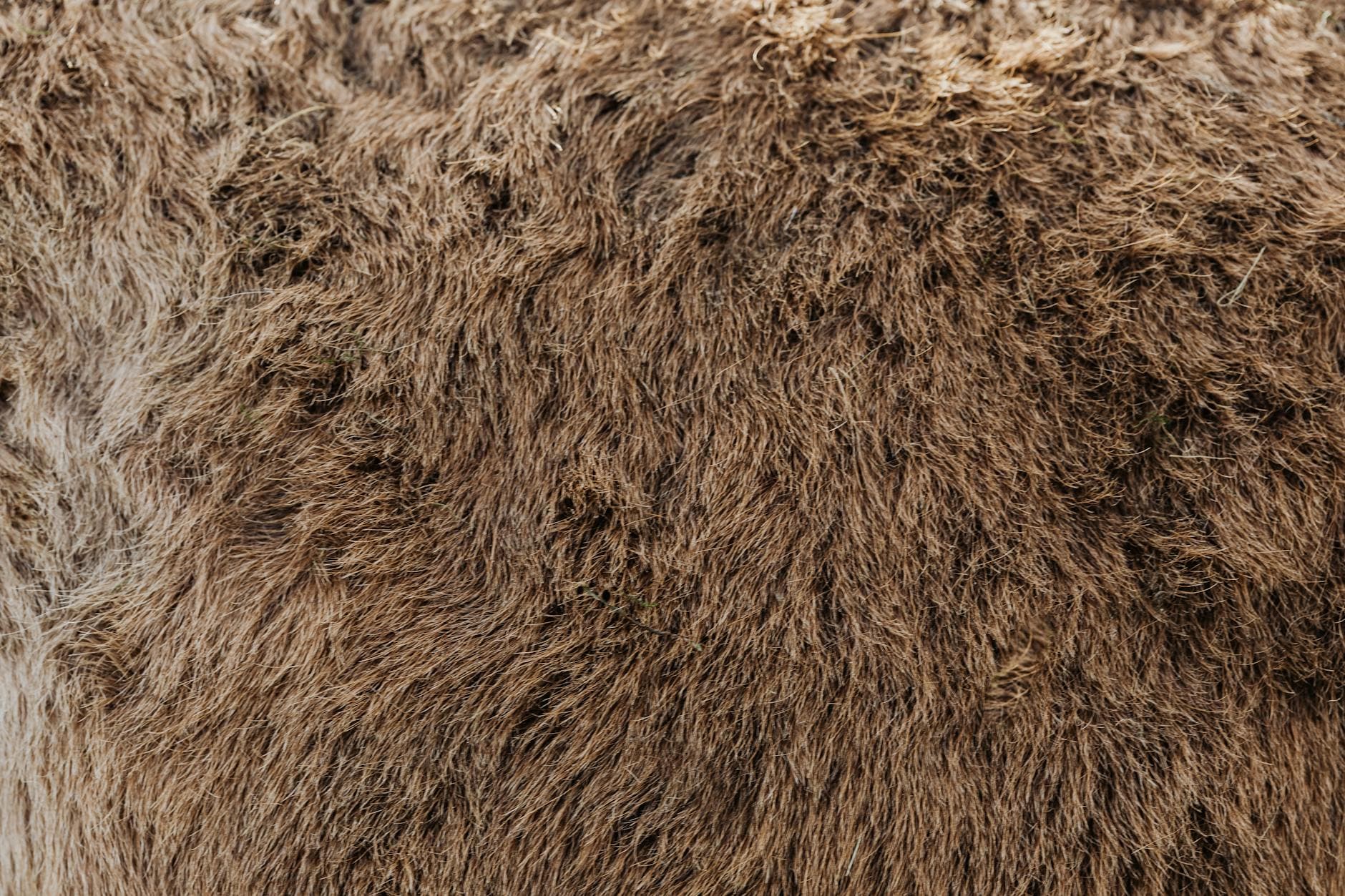
Etsy’s decision to ban animal fur from August 11, 2026 is bigger than a cruelty-policy tweak. It shows how marketplace rules are becoming one of fashion’s sharpest sustainability levers, especially when they reach beyond fur into threatened and endangered wildlife.
The updated Animal Products Policy now prohibits the sale of fur made from animal species and bars products made from threatened or endangered wildlife under the United States Endangered Species Act or CITES, along with certain additional at-risk animals. That language matters because it moves Etsy from a broad ethical stance into a more technical form of gatekeeping, one that can change what sellers are allowed to list, not just what buyers are encouraged to avoid. For a platform built on the romance of independent making, that is a meaningful tightening.
The policy did not arrive in a vacuum. The Coalition to Abolish the Fur Trade said it ran a 58-day campaign that included more than 50 protests in 17 cities, culminating in a disruption of Etsy’s presentation at a Morgan Stanley investor conference in San Francisco in March 2026. That kind of pressure campaign is exactly why this moment feels less like voluntary brand virtue and more like a new playbook for fashion activism: hit the platform, embarrass the financiers, and force the rulebook to change.
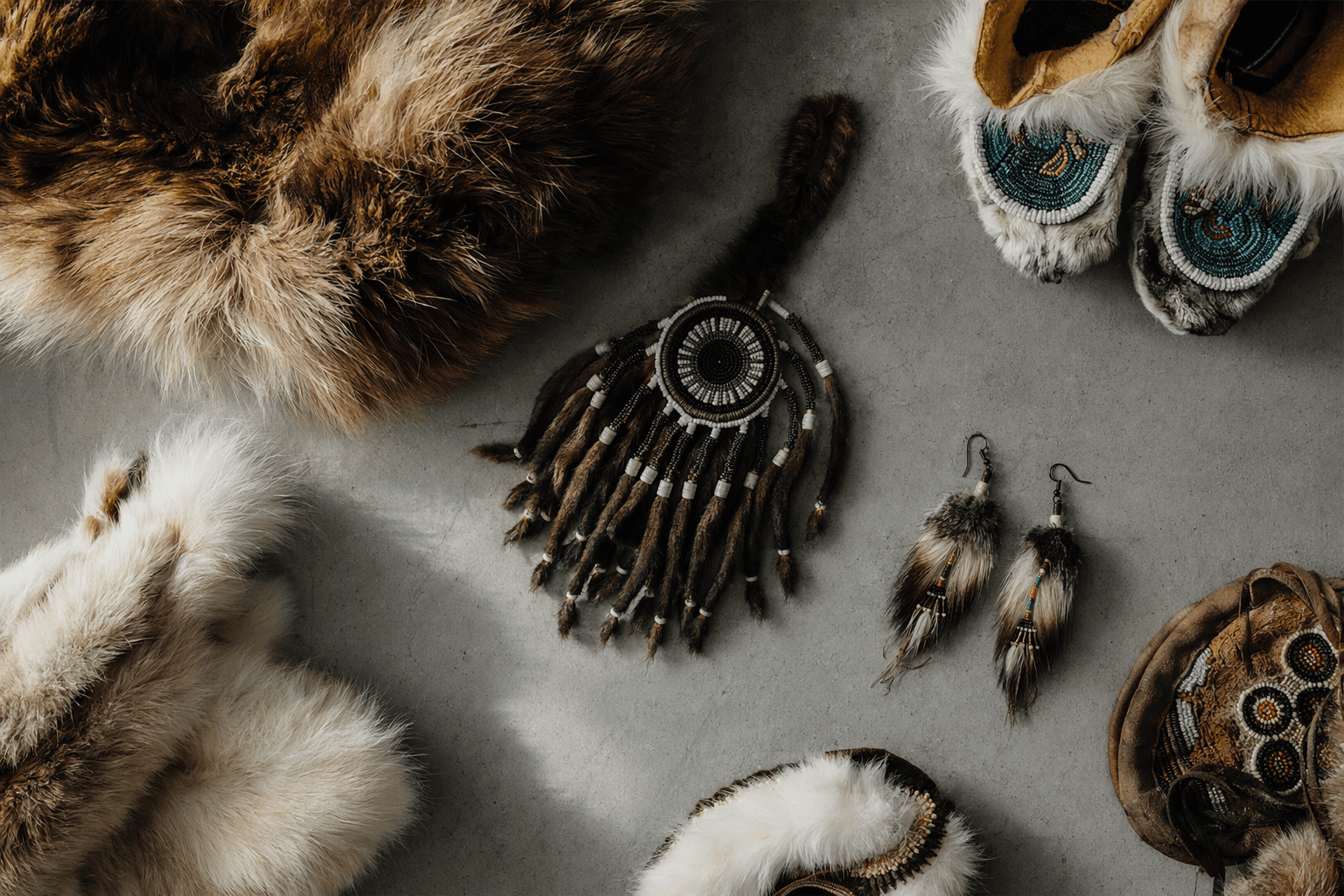
Still, the ban has drawn fire of its own. Alaska Native artists have said Etsy’s new policy could discriminate against Indigenous sellers, with concern that the ban may not include exceptions for traditional craft practices protected by federal law. That tension is the real fault line here. The fur debate is no longer only about fashion’s relationship to animals; it is also about who gets to define sustainable, ethical, and culturally protected production in the first place.
Good On You’s wider framing helps explain why this reverberates beyond one website. Its ratings system measures brands across environment, labour, and animals, using more than 500 data points across more than 60 material issues. In that context, animal welfare is not a side note but part of the same tightening standards that are reshaping sourcing decisions across the sector. The organization’s Global Fashion Agenda coverage lands in Copenhagen from May 5 to 7, under the banner of building resilient futures, a reminder that policy, collaboration, and platform rules are now converging. The fur ban may be symbolic, but it is also commercially serious, and the next standard to harden may be the one that controls the marketplace itself.
This article was produced by Prism’s automated news system from verified source data, official records, and press releases, then run through automated quality and moderation checks before publishing. The system is built and supervised by the people who set the standards it runs under. Read our full AI policy.
Did this article answer your question?