Lille Opens Applications for European Circular Fashion Awards Through May 11
Lille’s circular-fashion stakes are rising fast: applications are open through May 11 for awards backing repair, recycling and business models built to keep clothes in use.

Lille is turning circular fashion from a slogan into an operating system. The fourth European Circular Fashion Awards are now taking applications through May 11, with prizes aimed at products and services in textiles, footwear, apparel, accessories and luggage that can prove they do more than simply look sustainable.
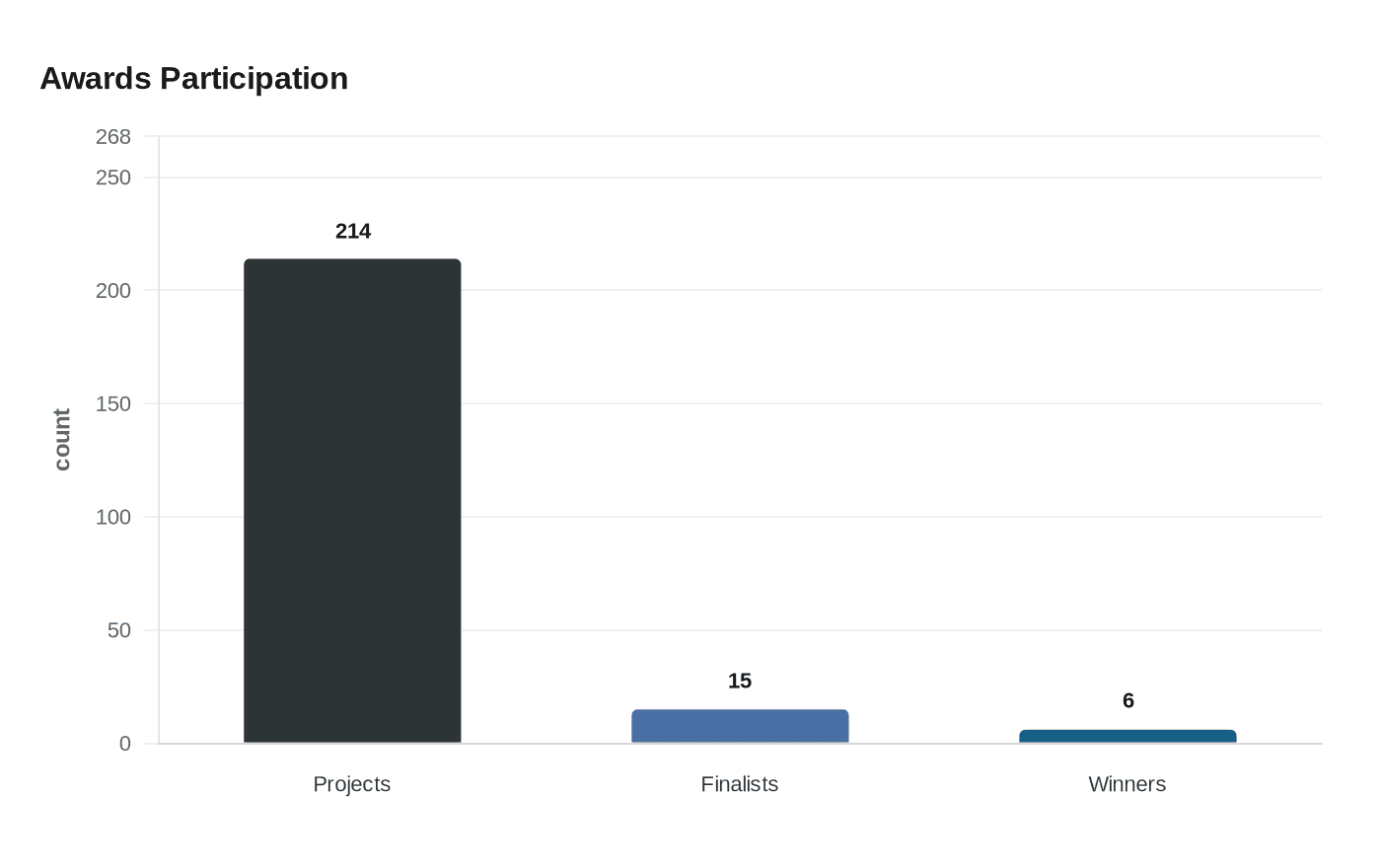
Organized in Lille by the European Metropolis of Lille, or MEL, with ADEME, the competition is built around the parts of fashion that are easiest to scale and hardest to fake: repair, recycling and other circular-economy models. That focus matters because the category has moved well beyond design rhetoric. The awards launched in 2020 and had already reached a third edition by 2024, when six winning projects were selected from 15 finalists after being judged on environmental impact reduction, longer product life, innovation in business models and the ability to influence consumer behavior.

The numbers around the competition show why the region is investing in it. A 2024 call reportedly drew 214 projects, a strong signal that circular fashion is attracting both startups and established players looking for credibility, capital and municipal backing. Lille also hosted its first Circular Fashion Week in December 2025, and ADEME says the next regional trophies are scheduled for 2026, placing the city at the center of a wider push to make Hauts-de-France a practical laboratory for fashion’s lower-waste future.
That regional urgency is rooted in a sector that France has been trying to reshape for years. ADEME says the textiles, home-linen and footwear sector came under French regulation in 2007, and its current goal is to develop circular-economy practices across textiles, linen and shoes. The agency also points to the scale of the problem: 50 percent of clothes purchased in France reportedly sit unworn in wardrobes. In other words, the challenge is not just what fashion makes, but what happens after the hangtag comes off.
Hauts-de-France gives the initiative a particular industrial edge. ADEME says technical textiles account for nearly 75 percent of textile-filière activity in the region, a sign that Lille’s circular-fashion push sits alongside a broader textile revival rather than outside it. The European Circular Fashion Awards are therefore less about prestige than infrastructure, rewarding the systems that can keep garments moving, materials circulating and the sector’s credibility intact.
This article was produced by Prism’s automated news system from verified source data, official records, and press releases, then run through automated quality and moderation checks before publishing. The system is built and supervised by the people who set the standards it runs under. Read our full AI policy.
Did this article answer your question?


