EU backs ALADIN microfactories to cut textile waste across Europe
EU put five million euros behind ALADIN to test whether microfactories can slash overproduction, with a digital product passport and recycled-cotton yarns on the line.
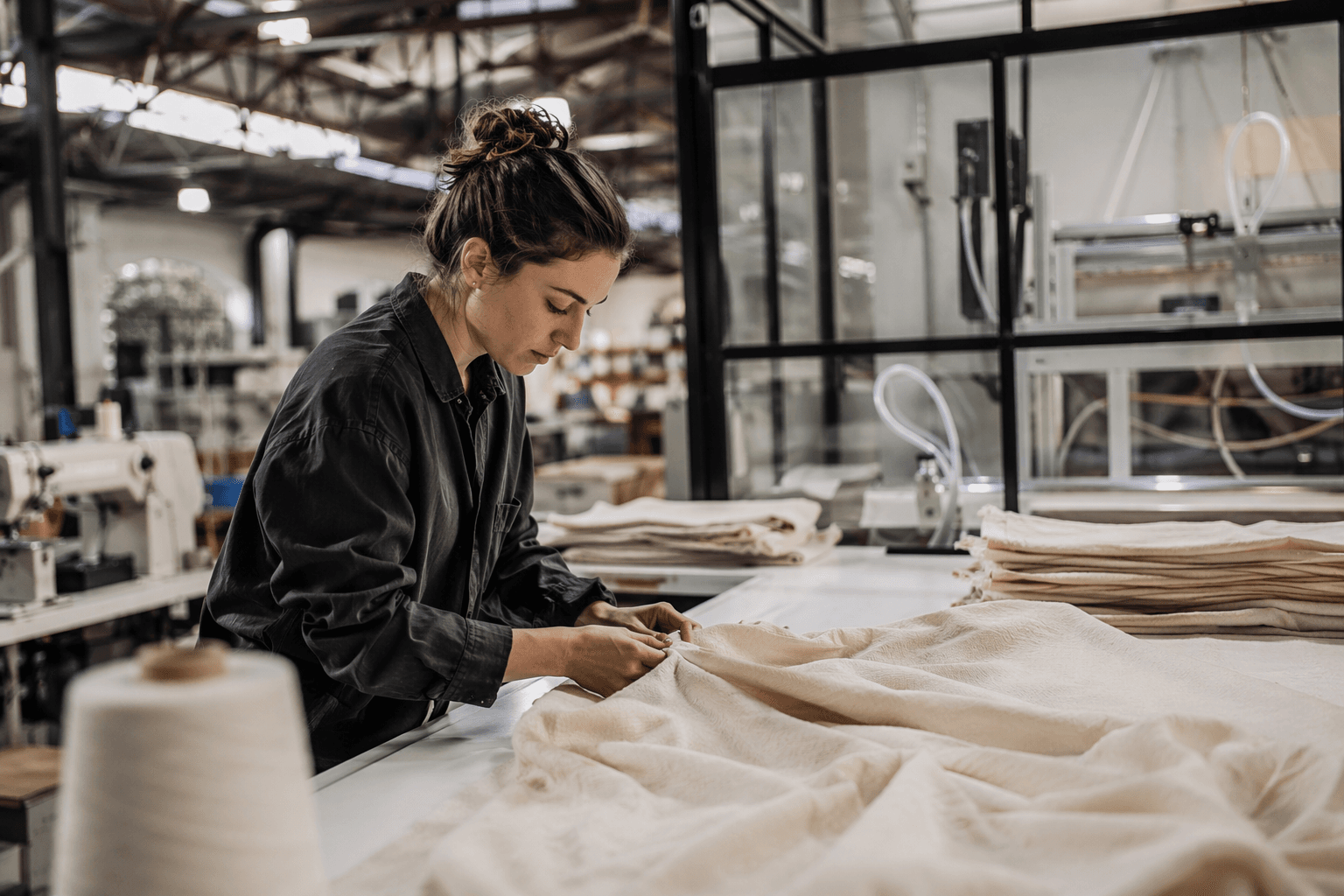
Five million euros just went into a four-year bet that fashion can make less, waste less, and still sell enough to matter. The EU-backed ALADIN project, launched in May 2026 and coordinated by Germany’s German Institutes of Textile and Fiber Research Denkendorf, is testing whether local microfactory networks can move textile production closer to the market without turning into a niche science project.
ALADIN, short for Advanced LocAl and Digital Innovation Network for Circular Garments, brings together ten European partners from Germany, Romania, Belgium, France, Czechia and Italy. The mix is the point. Design, embroidery, printing, digitalisation, recycling, AI and microfactory production all sit in the same consortium, because the hard part is not the idea of circularity. It is making the system work on a factory floor, at a price buyers will actually pay.
The project’s toolkit is unusually operational. DITF and its partners plan to build a Digital Product Passport module, an AI-supported ecodesign assistant and new apparel textiles, including ring-spun recycled cotton yarns. ALADIN’s own framework rests on four pillars: a digital platform for SME services, regional cooperation to push local production, technologies for recycling strategies and local and renewable raw materials. Two open calls will bring SMEs and startups into the work, which matters if this is going to become a supply-chain model instead of a closed research loop.
The real business question is blunt. Can a network of microfactories hit minimum order sizes that brands can live with, keep turnaround times tight enough for trend cycles, and bring unit costs low enough to compete with the cheapest offshore production? DITF’s case for its digital textile microfactory is that a digitally connected chain from design to finished product can save time and cut material use while improving design quality. That is the pitch. The market will decide whether it scales beyond premium capsules, localized replenishment and high-margin runs.
The policy pressure is already there. A CORDIS programme page says up to 80% of textile and apparel products consumed in Europe are partially or fully made outside Europe, often under looser environmental, health and labour rules. A 2024 European Parliament study said a European digital product passport could improve traceability, circularity and transparency. That makes ALADIN feel less like a trend piece and more like infrastructure.
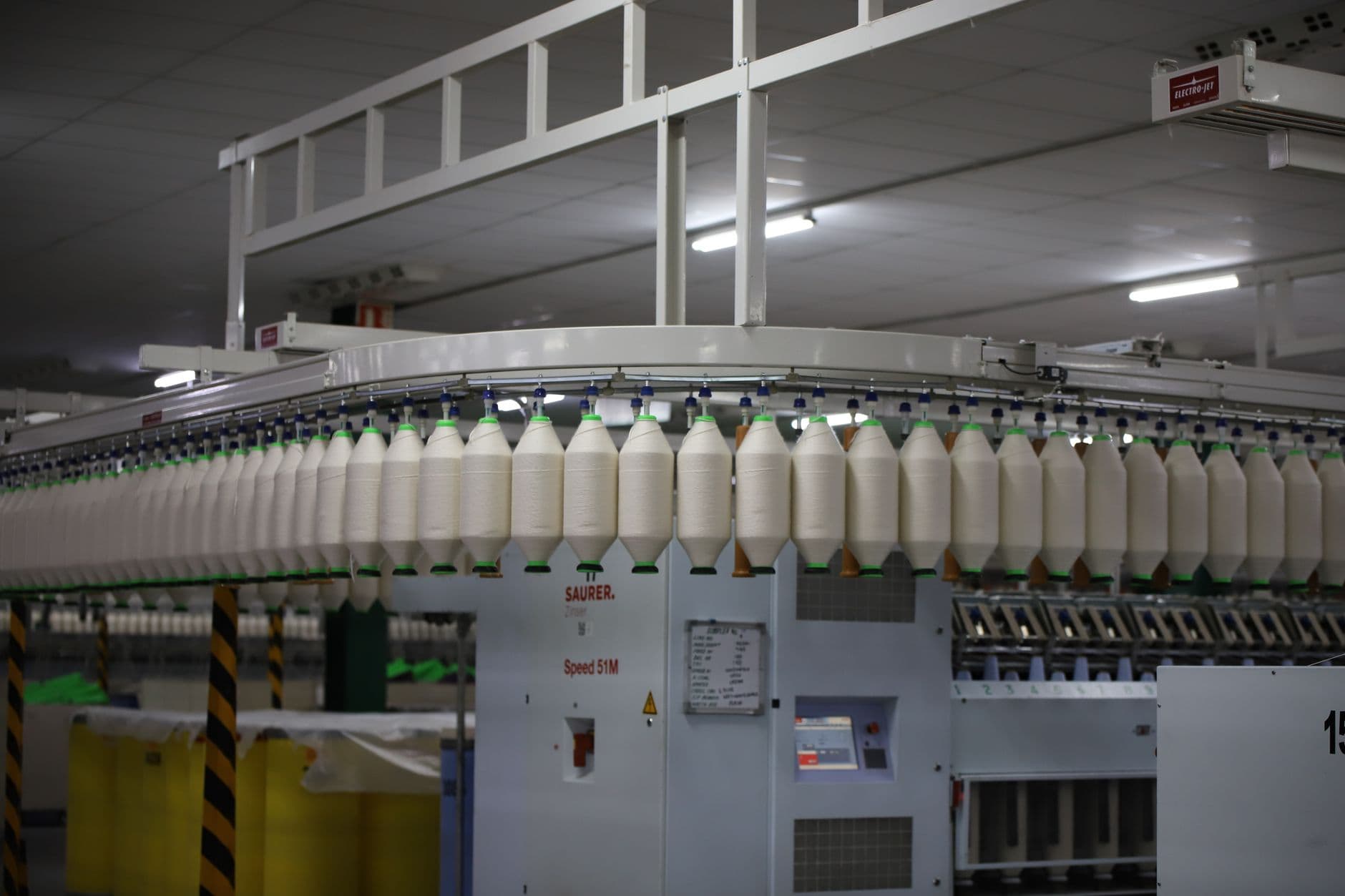
It is also entering a field with some proof. RegioGreenTex, a previous Horizon Europe effort, closed after three years with 25 SME-driven pilots, five regional recycling hubs and 43 partners across 11 regions in eight countries. ALADIN will have to show whether that kind of pilot energy can become something sharper: fewer overproduced garments, less waste, and a production model that works before the next season does.
This article was produced by Prism’s automated news system from verified source data, official records, and press releases, then run through automated quality and moderation checks before publishing. The system is built and supervised by the people who set the standards it runs under. Read our full AI policy.
Did this article answer your question?