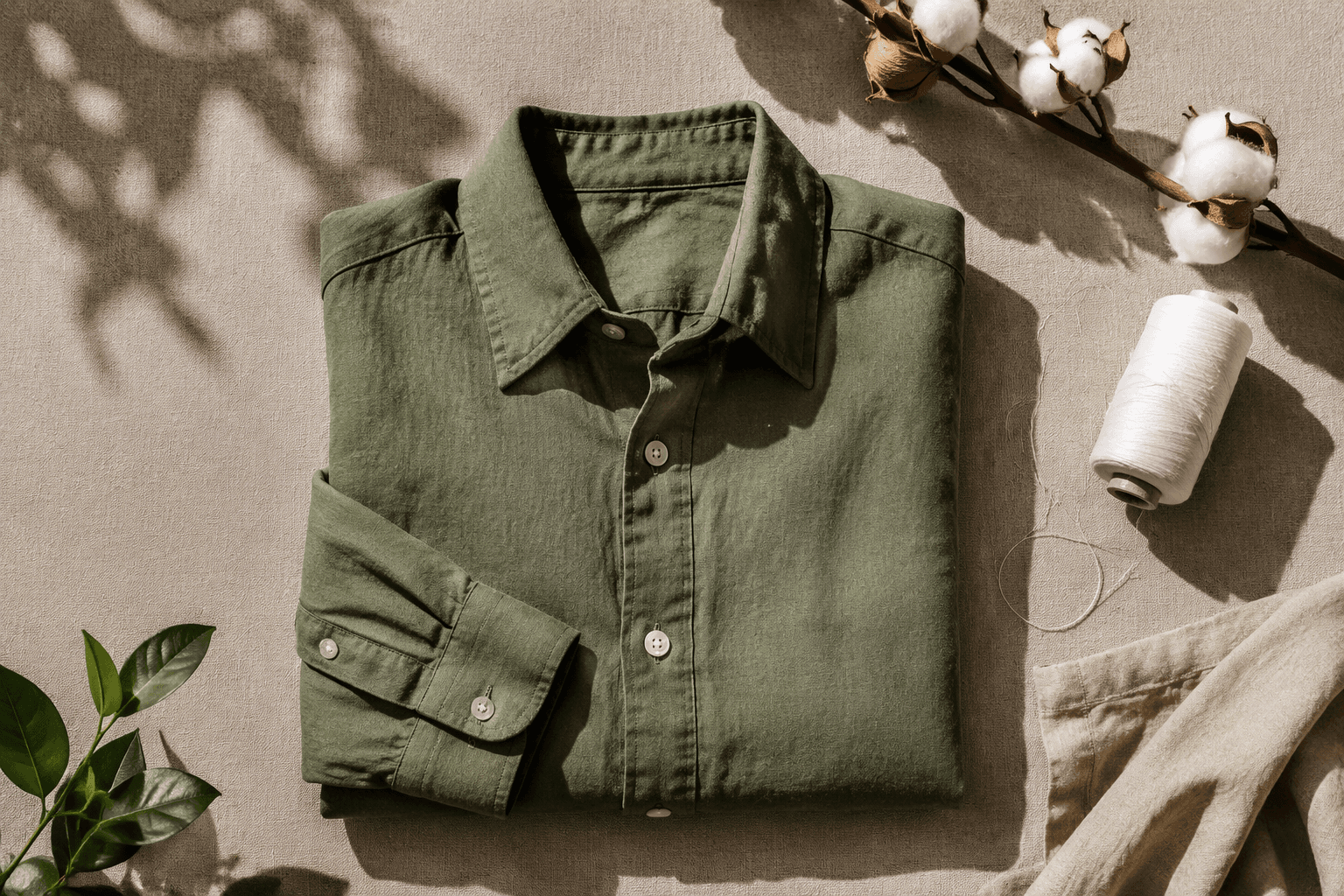
Fibershed guide reveals the hidden supply chain behind clothing
Fibershed turns sustainable style into a sourcing audit: know the fiber, the maker, and the afterlife. The hard part is rebuilding the mills and dye houses that make regional fashion possible.
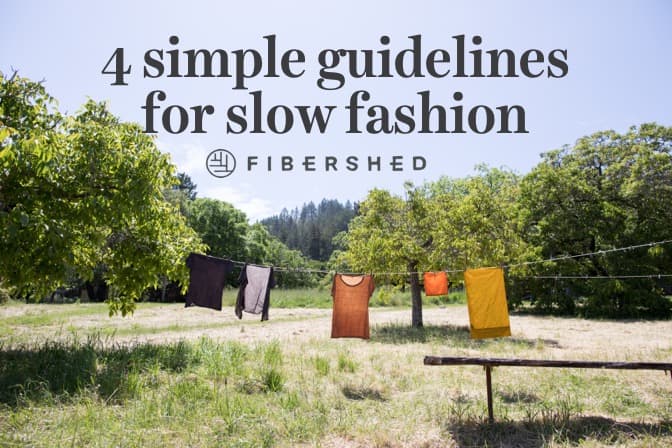
Fibershed’s February 2023 fourth-edition Clothing Guide opens with a supply-chain problem: most people are never handed an ingredients list for a garment or told who made it. Fibershed calls clothing manufacturing a “black box” for consumers. If you cannot trace the fiber, the maker, and the finish, you do not really know what you are wearing.
What the guide asks you to look for
The guide is practical. Instead of asking readers to love “sustainable fashion” in the abstract, it asks a basic set of questions: what is the garment made of, where did the fiber come from, and does the way it was processed fit a healthier relationship to people and planet? Fibershed made that same point publicly in its April 22, 2019 post, “4 Simple Guidelines from the Fibershed Clothing Guide,” showing the framework has been in circulation for years.
Most labels still hide the parts that count. A fiber content tag tells you polyester or wool, but it rarely tells you where the fiber was grown, which mill handled it, or how many hands touched the piece before it reached a rack.
Why Fibershed keeps talking about regions
Fibershed’s model begins with geography. The organization defines a fibershed as a geographical region where natural fibers are produced, processed, made into textiles, worn, and ultimately composted. Clothing is the endpoint of a material system that starts on farms, moves through mills and dye houses, and ends with repair, wear, reuse, and disposal.
Fibershed is developing regional fiber systems that expand opportunities for Climate Beneficial™ agriculture, rebuild regional manufacturing, and educate the public about soil-to-soil fiber and dye systems. Its Regional Fiber Manufacturing Initiative uses the line “Catalyzing a Regenerative West Coast Fiber System.”
For brands, that is the part that can be adopted in stages. A label can start by mapping its fiber sources, asking for more disclosure from suppliers, and building traceability into procurement. What is much harder is rebuilding the mills, dye houses, and manufacturing capacity needed to actually regionalize production at scale. The model separates what can be tightened up now from what requires serious capital, policy support, and years of industrial rebuilding.
Natural fibers are not a shortcut, but they do change the equation
Fibershed’s guide also reframes the old natural-versus-synthetic conversation. Wool, flax, hemp, and cotton are not automatically sustainable, but they create different end-of-life possibilities than fossil-based synthetics. A wool coat can be repaired and relined. A linen shirt may lend itself to reuse or composting more readily than a plastic-heavy blend. Hemp and cotton can fit into a lifecycle in which fibers are produced, processed, worn, and ultimately composted.
The guide’s broader logic is not “buy natural, feel virtuous.” It is: know what the material is, understand how it was made, and think ahead to what happens after you are done with it. In fashion terms, that is much more useful than a vague green label, because it forces a reckoning with durability, repair, and disposal.
The supply-chain pressure is already visible
Textile Exchange’s June 2022 Material Change Insights report calls its Corporate Fiber & Materials Benchmark the largest peer-to-peer comparison initiative in the textile industry. It tracks apparel, footwear, and home textile brands’ progress toward more sustainable materials sourcing.
Brands are being measured on fiber and materials progress, not just on marketing language. Fibershed’s guide gives readers the consumer-side version of that same pressure: if brands want credit for better sourcing, they need to be able to show their work.
What brands can do now, and what still resists easy fixes
The easiest changes are the least glamorous ones. Brands can disclose more about fiber origin, identify who made a garment, and tell customers where processing happened when they know it. They can choose more traceable materials, publish supplier maps, and stop pretending that a fiber content label is the full story.
The harder work sits deeper in the chain. Regional textile systems need land, mills, dye capacity, and manufacturing infrastructure, all of which take time and money to build. Fibershed’s emphasis on a regional fiber system asks fashion to move beyond sourcing language and into industrial capacity.
This article was produced by Prism’s automated news system from verified source data, official records, and press releases, then run through automated quality and moderation checks before publishing. The system is built and supervised by the people who set the standards it runs under. Read our full AI policy.
Did this article answer your question?