EU bans destruction of unsold clothes and shoes
The EU’s new ban now bars large brands from destroying unsold clothes, accessories and shoes, forcing stock into resale, donation or reuse channels instead.
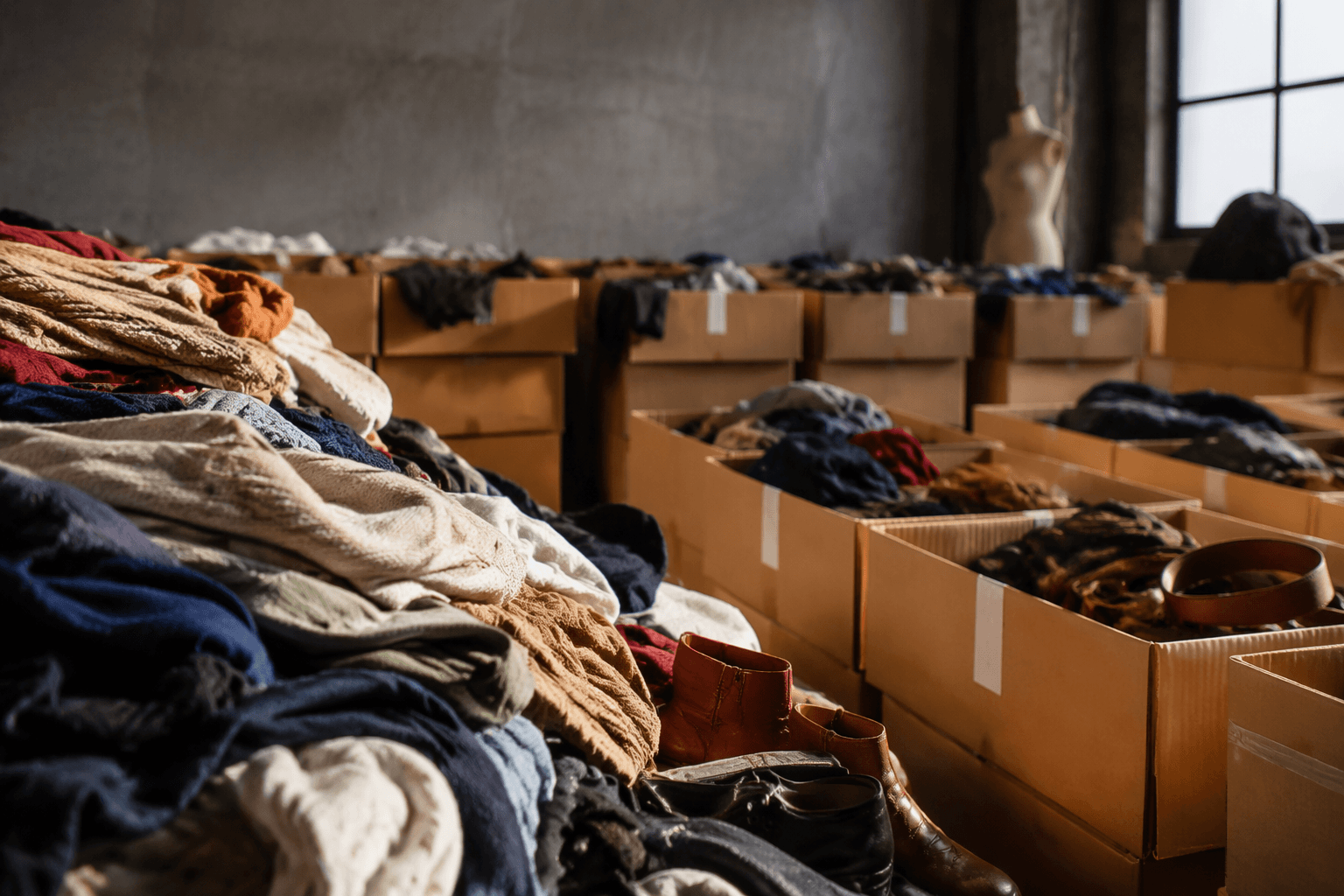
The European Commission’s ban on destroying unsold clothes and shoes entered into application on 19 July 2026, putting large companies across the European Union on notice that dead stock can no longer disappear quietly. Under the Ecodesign for Sustainable Products Regulation, Regulation (EU) 2024/1781, large firms are prohibited from destroying unsold clothes, clothing accessories and footwear, while medium-sized companies are being phased in later.
For brands and retailers, the operational shift is immediate. Inventory can no longer be treated as a disposable end point, and the new rules push companies to plan for sell-through, donation or preparation for reuse before goods ever reach the warehouse floor. That means more pressure to build resale, repair and recycling channels into the business model, and to think about excess stock as a liability that has to be managed, not buried.
The Commission adopted the measures on 9 February 2026, framing them as one of the European Union’s first concrete steps to cut textile waste and support a circular economy. It has also tied the ban to its wider sustainable and circular textiles strategy and the bloc’s ecodesign framework, a sign that fashion’s compliance burden is moving beyond product claims and into the harder question of what happens when items do not sell.
The stakes are not only logistical. In its public messaging, the Commission said millions of brand-new clothes and shoes were destroyed before they were ever worn, and linked that practice to around 5.6 million tonnes of CO emissions every year in Europe. That figure turns unsold stock from a back-of-house clean-up into a visible climate and legal accountability issue, especially for the biggest players with the deepest inventories and the most immediate exposure to the ban.
This article was produced by Prism’s automated news system from verified source data, official records, and press releases, then run through automated quality and moderation checks before publishing. The system is built and supervised by the people who set the standards it runs under. Read our full AI policy.
Did this article answer your question?