EU campaign finds 37% of clothing labels misstate fibre content
A Commission-backed sweep of 132 garments found 49 labels wrong, with scarves and tops the worst offenders. The failures muddy recycling, resale and every fibre claim brands hang on sustainability.

A Commission-backed sweep of 132 garments found that 49, or 37 percent, carried incorrect fibre labels, a traceability failure that reaches far beyond a hangtag. When wool, cotton and blends are misdeclared, the damage lands in sorting lines, resale platforms and care instructions, where fibre content determines what gets recycled, repaired or rejected.
The campaign, supported by the European Commission’s Directorate-General for Internal Market, Industry, Entrepreneurship and SMEs, was built around purchases by market surveillance authorities in Cyprus, Denmark, Finland, Germany, Italy, Lithuania, Malta and Portugal. They bought 104 items in shops and 28 online, then sent them to an accredited laboratory in Italy. Labels either listed the right fibre but the wrong percentage, substituted cheaper or different fibres than declared, or named the fibres incorrectly altogether.

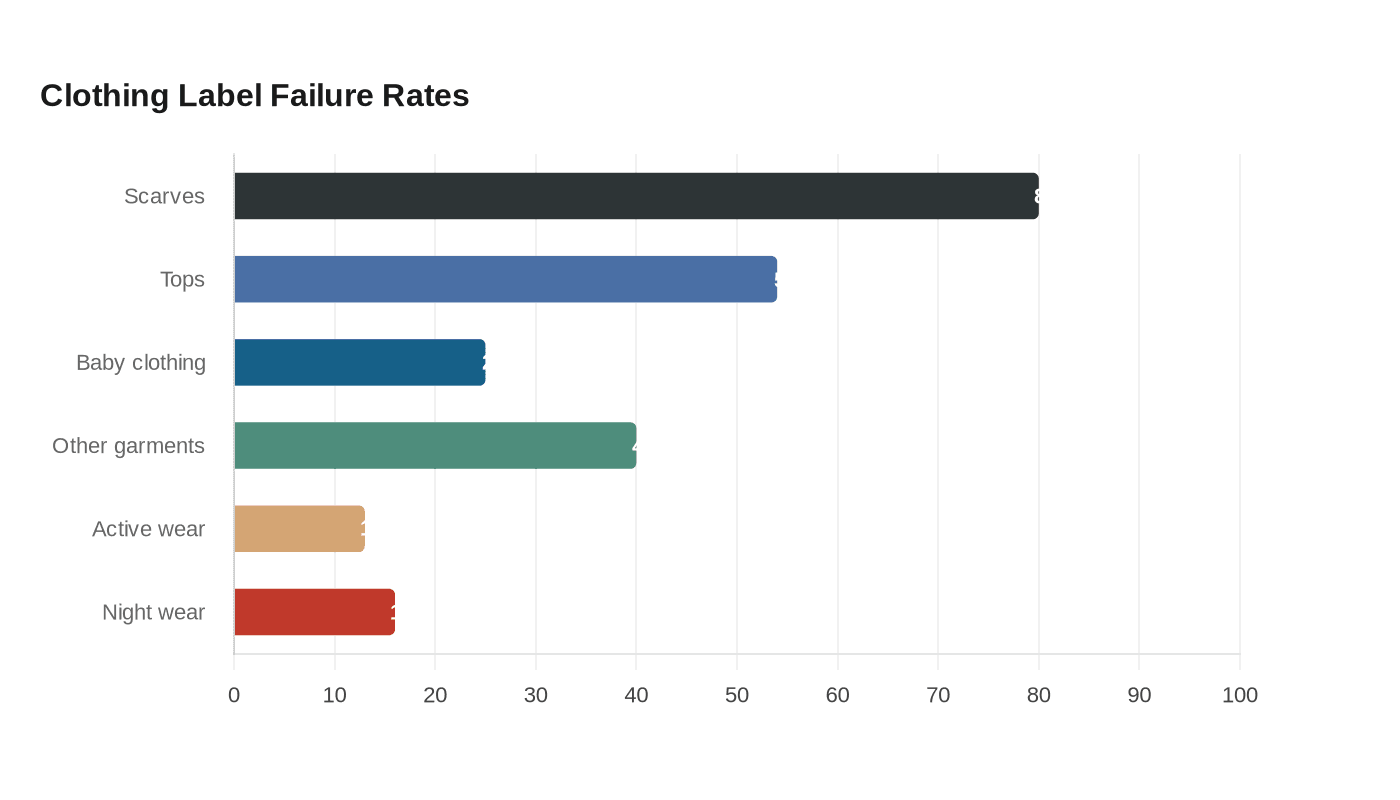
Some categories fared far worse than others. Scarves had an 80 percent failure rate, tops came in at 54 percent and baby clothing at 25 percent. Other garments recorded a 40 percent failure rate, while active wear and night wear were lower at 13 percent and 16 percent respectively. Online buying proved shakier than in-store shopping, with a 46 percent failure rate for purchases made on the internet versus 36 percent for items bought in physical stores.
By early March 2026, authorities had ordered sales of 18 products to stop. Two manufacturers were instructed to take corrective measures, two products had to be relabelled and three had to carry appropriate warnings. Measures were still ongoing for 24 products, and 41 products were entered into the EU’s Information and Communication System for Market Surveillance to coordinate enforcement.
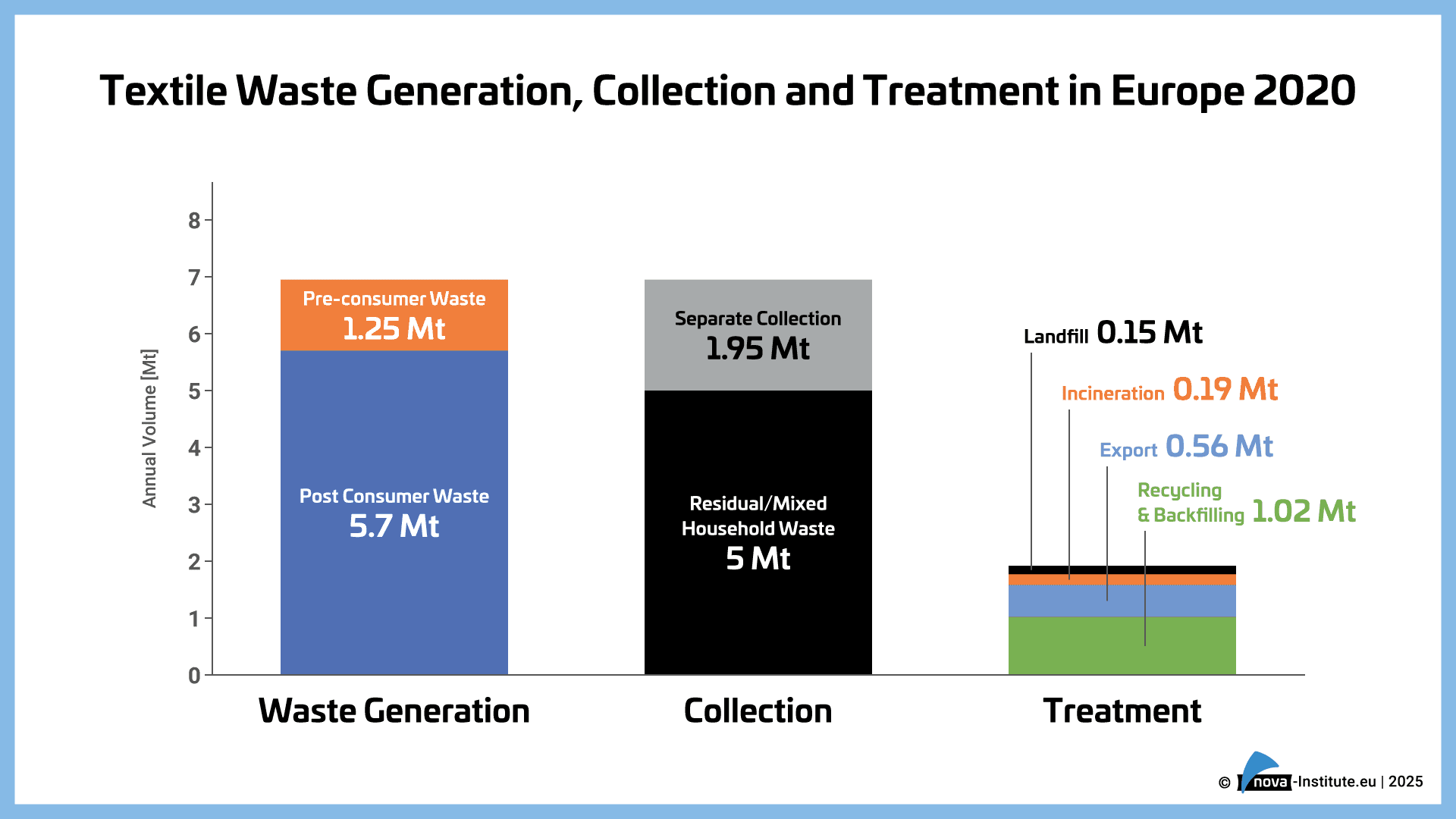
The European Commission’s wider EU Strategy for Sustainable and Circular Textiles was published on 30 March 2022. Textiles have, on average, the fourth highest environmental and climate impact in EU consumption after food, housing and mobility, and the strategy sets a 2030 vision for clothes that are durable, repairable and recyclable, with recycled fibres taking a far bigger share.
This article was produced by Prism’s automated news system from verified source data, official records, and press releases, then run through automated quality and moderation checks before publishing. The system is built and supervised by the people who set the standards it runs under. Read our full AI policy.
Did this article answer your question?