EU project turns textile wastewater into algae pigments
Swedish laundry wastewater became the feedstock for algae pigments in Norway, one of three LOCALITY ecosystems across the North Sea and Baltic. The project has moved past concept and into scaled-up textile applications.

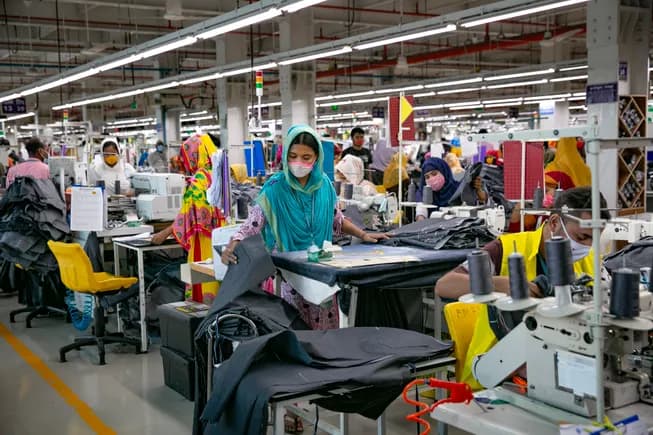
The smartest part of LOCALITY is that it does not treat algae like a glossy sustainability garnish. It has built three circular ecosystems across the North Sea and Baltic regions, and the textile one is the most fashion-relevant: a Norwegian setup linked to laundry wastewater from Sweden, where microalgae strains have now been identified and scaled up for pigment work. That is the kind of infrastructure move the industry keeps claiming it wants, because it ties wastewater treatment, ingredient production and textile processing into the same loop.
LOCALITY is an EU-funded Horizon Europe project, grant agreement 101112884, signed on 21 May 2023 and running from 1 June 2023 through 31 May 2027. The budget is €9,819,477.50, including €8,499,975.01 in EU contribution. Coordinated by the Norwegian Institute for Water Research, the project brings together 27 partners from 14 countries and is aimed at building local algae value chains for food, aquafeed, agriculture and textiles in countries bordering the Baltic and North Seas.
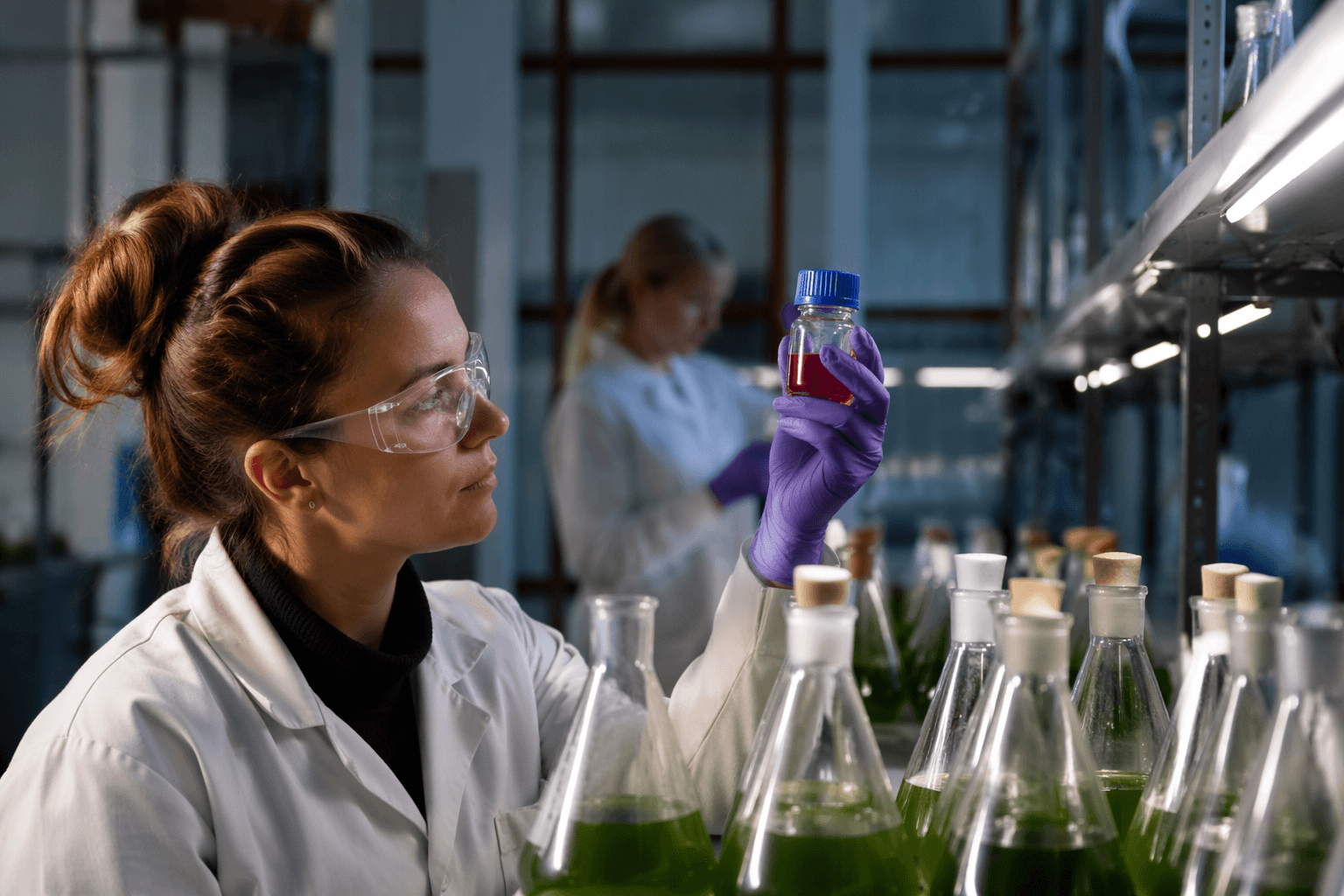
What makes this more than a lab flex is that LOCALITY says it has now shown microalgae cultivation on industrial side streams is technically feasible across all three ecosystems. NIVA says the project uses nutrient-rich industrial wastewaters and Baltic and North Seas water to grow algae for products ranging from aquafeed supplements and biostimulants to protein alternatives, nutraceuticals and textile additives. In other words, the pitch is not just cleaner water. It is a regional supply chain.
The textile test case is the sharpest one. According to project updates, the Swedish laundry wastewater has already supported algae strains that can grow on the effluent, and the resulting dye work has moved into the hands of local partners. WWD reported that a dye formulation developed with Mounid at the University of Borås produced a visually appealing blue shade that bonded well to cellulosic fabrics. That matters, because a blue sample that actually sticks to a cotton-rich fabric sits much closer to a usable dye system than another sustainability concept slide.
The same reporting said nearly 70 ingredients were screened to find promising algal strains, while researchers also produced an aquafeed prototype at industrial scale. A farm-scale fish-feeding trial in Norway was set for August through October 2026. That parallel progress is the point: LOCALITY is trying to make algae legible to mills, feed producers and regulators at the same time.
Still, the final stretch is where so many “circular” projects lose the plot. LOCALITY itself flags the remaining work: finding the best algae species, optimizing dyeing processes and proving color fastness and durability. Umeå University says the project will also assess consumer readiness, identify legal barriers and fold those findings into business models. Until those pieces land, this is a strong regional pilot. Once they do, it starts to look like a real textile input.
This article was produced by Prism’s automated news system from verified source data, official records, and press releases, then run through automated quality and moderation checks before publishing. The system is built and supervised by the people who set the standards it runs under. Read our full AI policy.
Did this article answer your question?