EU repair law turns fashion garment repair into business opportunity
Repair is becoming fashion’s new power move. The brands that build service, spare parts, and pricing now will turn Europe’s deadline into loyalty.

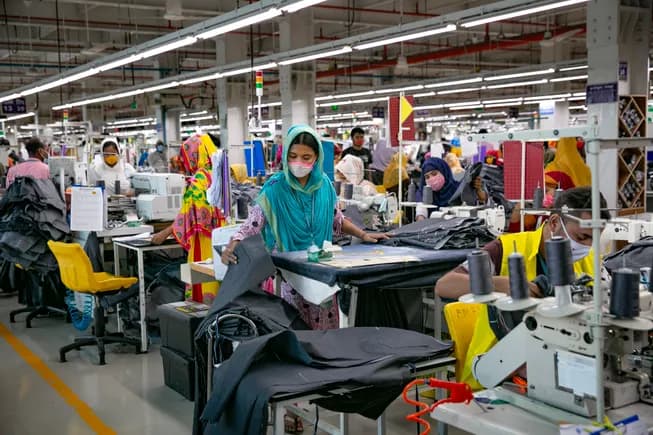
Garment repair is no longer a nice extra at the back of the store. It is becoming a core operating requirement, with the EU’s repair law forcing fashion brands to think like service businesses before the July 31, 2026 deadline lands. That means networks, spare parts, repair pricing, and product decisions that make clothes easier to keep in circulation, not easier to throw away.
The deadline is the point
Directive (EU) 2024/1799 was adopted on June 13, 2024, entered into force on July 30, 2024, and must be transposed by EU Member States by July 31, 2026. Its purpose is straightforward and commercially loaded: promote repair of broken or defective goods for consumers, the environment, and the EU internal market, while supporting the European Green Deal and a more sustainable consumption agenda. In practice, that means the brands that wait for the law to arrive will be behind the curve on systems, suppliers, and customer expectations.
Fashion matters here because textiles already sit under a bright regulatory spotlight. The European Commission’s textiles strategy says EU textile consumption has the fourth-highest environmental and climate impact after food, housing, and mobility, and the strategy pushes a future in which textile products are durable, repairable, recyclable, and supported by profitable reuse and repair services. This is no longer a fringe sustainability story. It is a sector-wide redesign of how clothes are made, sold, and kept alive.
Why fashion cannot pretend this is about appliances
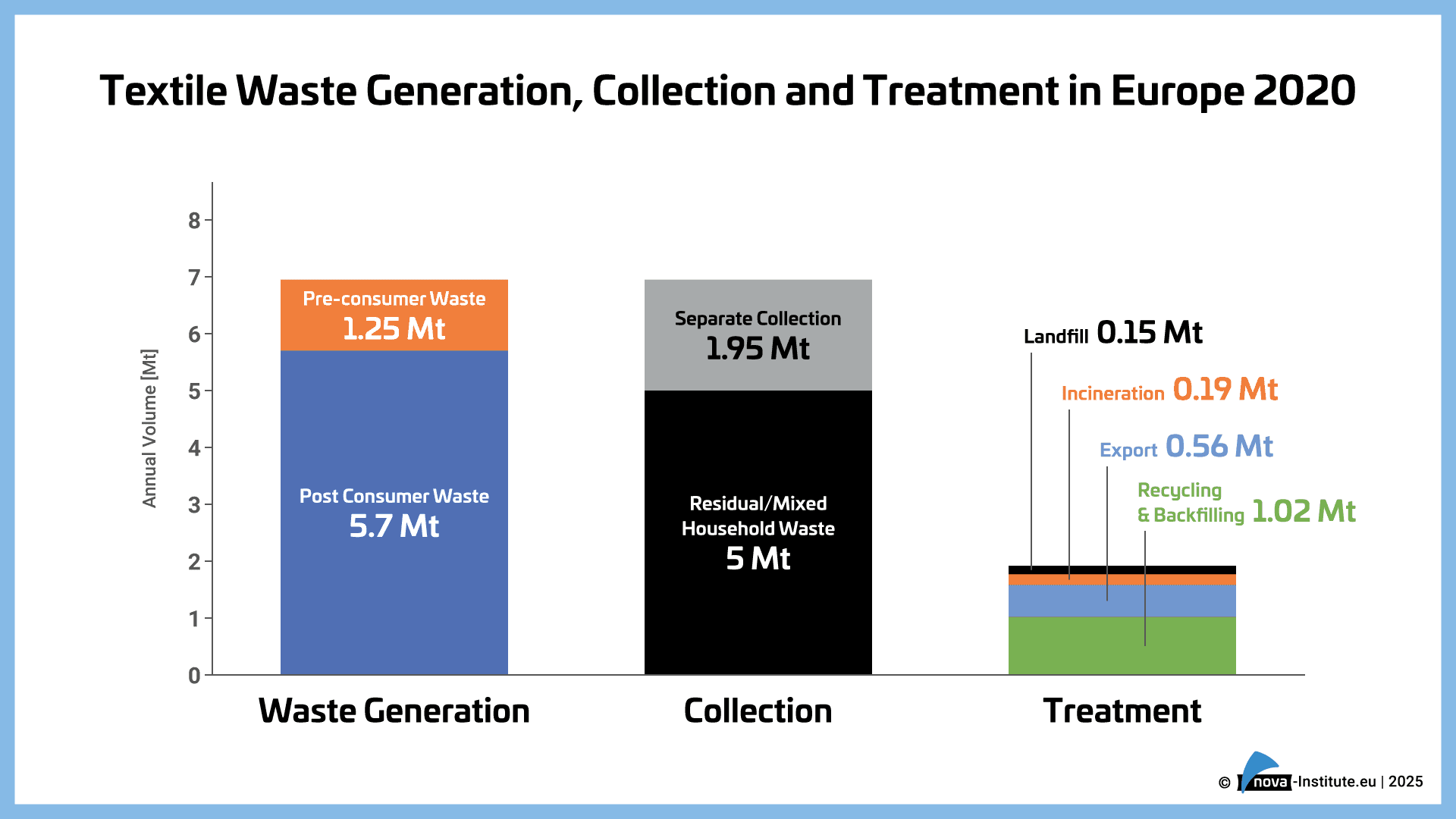
The case for repair looks even sharper once you get to the waste figures. The European Environment Agency says each person in the EU consumed around 19 kg of clothing, footwear, and household textiles in 2022, adding up to roughly 8.5 million tonnes across the bloc. Clothing and footwear alone generate 5.2 million tonnes of waste a year, about 12 kg per person, and only 22% of post-consumer textile waste is separately collected for reuse or recycling. In other words, the system is still built to dispose first and solve later.
That is exactly why repair now reads as a business opportunity, not a feel-good gesture. When the volume of discarded clothing is this high, every repaired zipper, relined coat, or rescued knit becomes a sale preserved, a return avoided, and a customer relationship extended. The brands that understand this will stop treating repair as a concession and start treating it as a retention strategy.
What brands need to build before July 31, 2026
The law is not abstract. Manufacturers will have to repair covered goods within a reasonable time and for a reasonable price, make spare parts or tools available at a reasonable price where required, and give consumers easy access to clear repair information and indicative repair prices on a free website. They also cannot use contractual, hardware, or software barriers that block repair without a legitimate and objective reason. For fashion, that translates into visible service pathways, honest pricing, and a much less opaque after-sales experience.
The service network piece matters as much as the legal text. The directive creates a European online platform to help consumers find repairers, and Member States may set up national sections or national platforms instead; registration is free and voluntary. For a brand, that means repair can no longer live only in a scattered store backroom or a one-off local partnership. It needs to be mapped, surfaced, and supported like any other consumer-facing channel.
Product design is the other half of the story. The Commission says repair rules complement ecodesign measures, which promote reparability by setting requirements around product design and the availability of spare parts. For fashion, that is a clear signal to rethink the build itself: closures that can be replaced, finishes that can be mended cleanly, and pieces that are designed to be opened, serviced, and returned to the wardrobe rather than written off after one bad seam.
The commercial upside is real, and brands already know it
The clearest evidence that repair can be a business line, not just a legal obligation, comes from the Ellen MacArthur Foundation. In May 2026, the foundation said 69 organisations, including Arc’teryx, Etsy, H&M Group, Primark, Vinted and Zalando, were urging governments in the EU, US, and Canada to improve the economics of resale and repair. Its research says circular business models like resale and repair are a multi-billion-dollar opportunity for economic resilience and job creation, and that targeted policy changes could raise gross profit margins up to 55% for resale and 41% for repair.
That is the share-worthy shift inside this story: repair is no longer framed as sacrifice. It is being presented as margin, local jobs, and a more durable relationship with the customer. Leyla Ertur of H&M Group put the commercial reality plainly in the foundation’s release: “Fixing the economics of resale is one of the fastest and most concrete ways to scale circularity in fashion.” The logic holds for repair too, because the brand that can fix fast, price clearly, and make the process painless is the brand most likely to win the next purchase as well.
The amended repair-and-replacement remedies in Directive 2019/771 also apply only to sales contracts concluded after July 31, 2026, giving sellers time to adapt. That detail matters because it turns the next few months into the real implementation window, not the warm-up. Brands that use that time to build repair networks, train staff, stock parts, and redesign product lines will arrive at the deadline with an asset. The ones that do nothing will arrive with a compliance problem and a lost customer.
The smartest read on the new rule is simple: repair is no longer just about saving clothes. It is about saving revenue, protecting loyalty, and proving that fashion can operate with fewer excuses and better systems.
This article was produced by Prism’s automated news system from verified source data, official records, and press releases, then run through automated quality and moderation checks before publishing. The system is built and supervised by the people who set the standards it runs under. Read our full AI policy.
Did this article answer your question?