EU textile labelling overhaul could boost recycled fibres and digital tags
Recycling Europe wants Brussels to rewrite textile labels so recycled content is visible and digital tags can carry the details buyers keep cutting off.
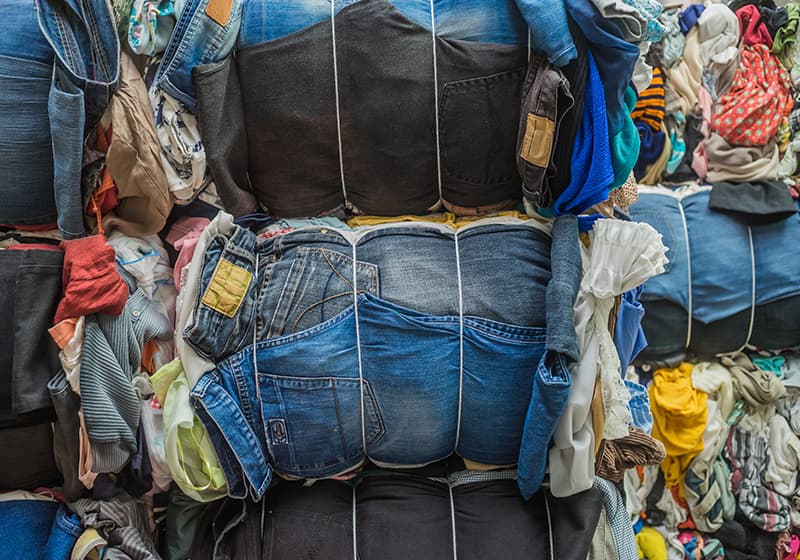
GINETEX says 62% of EU citizens cut off their labels, a habit that makes bulky sewn-in tags a weak place to hide the facts brands now need to prove. Recycling Europe has joined garment industry associations in pressing Brussels to modernize the Textile Labelling Regulation, arguing that labels should finally reflect recycled fibres, digital information and the realities of how people actually handle clothing.
The current rulebook dates to 2011, when Regulation No 1007/2011 focused mainly on fibre composition and marking. That is a slimmer brief than the European Commission’s wider textile reset, published on 30 March 2022, which sets a far tougher 2030 target: textiles on the EU market should be durable, repairable and recyclable, and to a great extent made of recycled fibres, while also meeting environmental and social expectations. The labelling debate now reaches beyond what the cloth is made of and into sourcing, recycling and end-of-life claims brands must substantiate.
Brands will need tighter traceability systems, better supplier data and cleaner internal records on recycled inputs, fibre origins and care instructions. The European Commission linked the labelling overhaul to a broader package that includes ecodesign and consumer-information rules. Compliance teams already juggle fragmented data from mills, spinners, converters and recyclers.

The consultation opened on 19 December 2023 and closed on 15 April 2024. The industry is split on how far to go. The European Branded Clothing Alliance wants more harmonisation, policy coherence and digital labelling to shrink physical labels and avoid duplication. EuroCommerce wants fibre composition, size and care information to stay on the physical label, with non-essential details moving online. EURATEX is pushing for a narrower scope built around fibre composition and care instructions, with digitalisation as a complement rather than the centrepiece.
SBS has called for the definition of textile fibre to be updated so it explicitly includes fibres recovered and recycled from textile waste. The European Economic and Social Committee has urged the Commission to build on new digital labelling technologies, new fibre technologies and new recycling technologies. DG GROW held a stakeholder validation workshop on 18 October 2024, and the planned Commission proposal is now expected in the second quarter of 2026.
This article was produced by Prism’s automated news system from verified source data, official records, and press releases, then run through automated quality and moderation checks before publishing. The system is built and supervised by the people who set the standards it runs under. Read our full AI policy.
Did this article answer your question?


