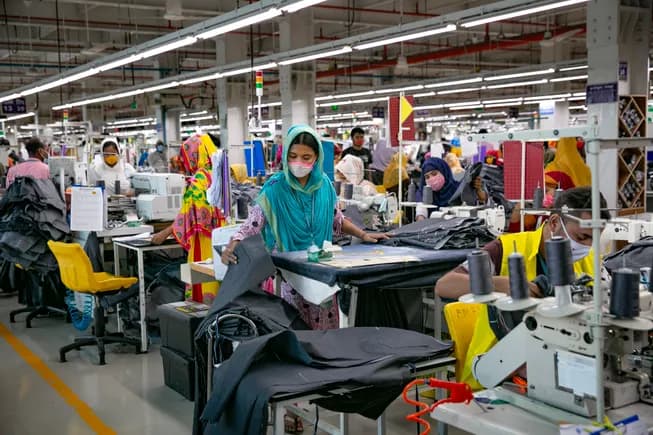
Extreme heat is cutting output at Indian garment factories
Heat and humidity are already trimming up to 10% from output at Indian garment factories supplying Uniqlo, Tesco and Marks & Spencer.
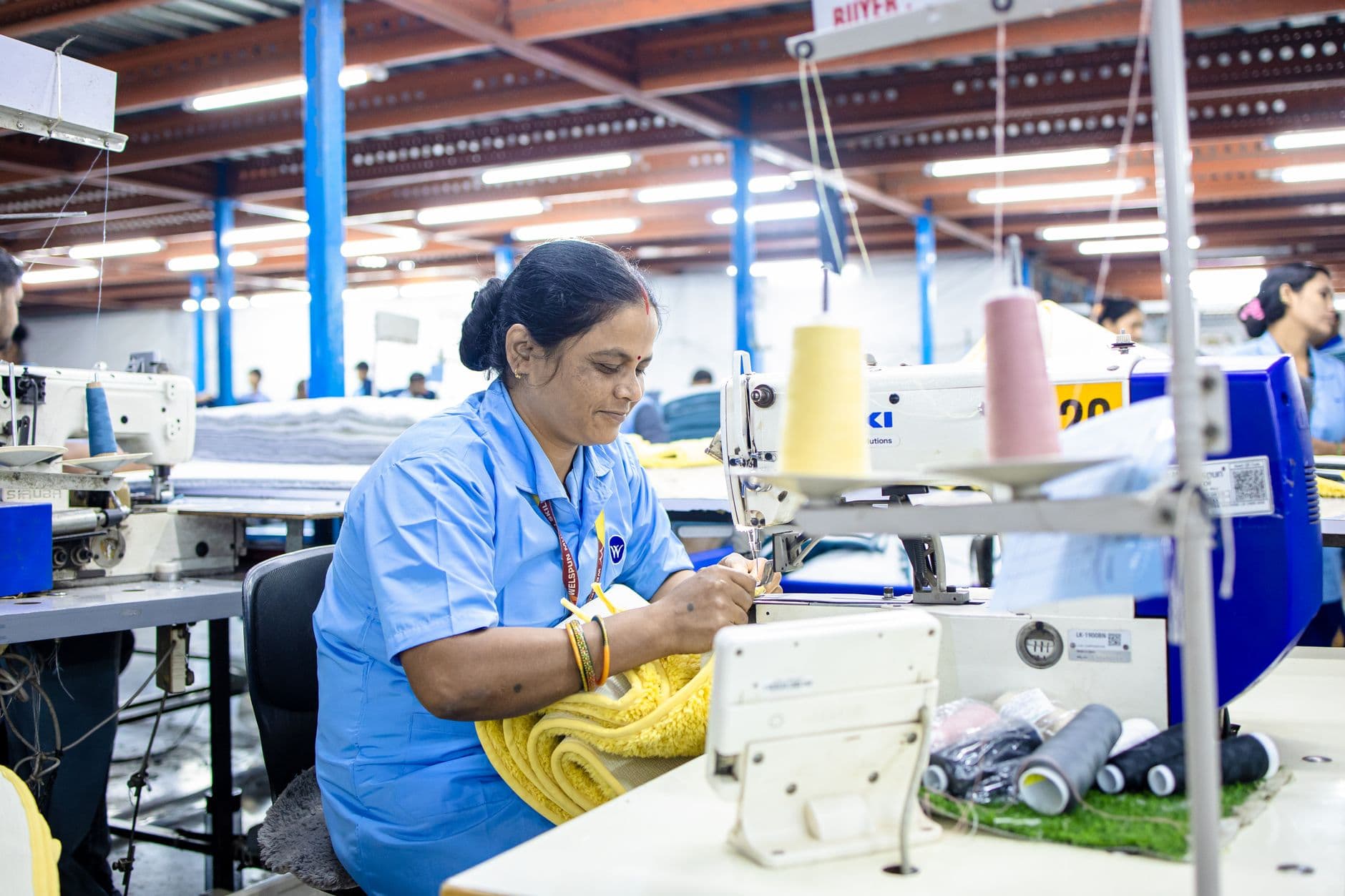
Extreme heat is no longer a distant climate risk for fashion’s supply chain. At garment factories in India that make clothes for Uniqlo, Marks & Spencer and Tesco, productivity losses are already reaching as much as 10%, a hit that can ripple from the sewing floor to delivery windows, sourcing costs and the finish of the garments themselves.
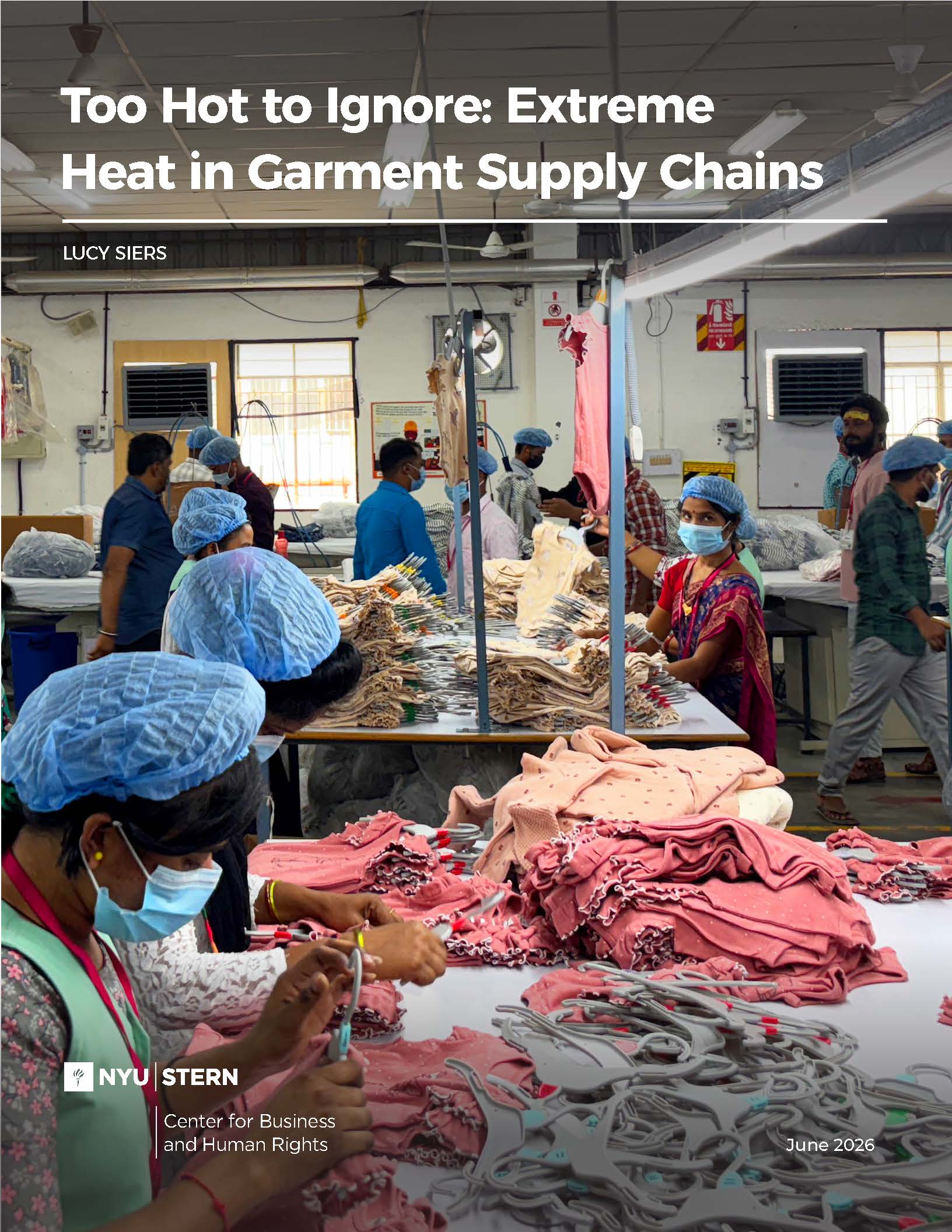
That warning sits at the center of NYU Stern Center for Business and Human Rights’ June 2026 report, Too Hot to Ignore: Extreme Heat in Garment Supply Chains. The research drew on fieldwork carried out in September 2025 at 10 factories across Tamil Nadu, Haryana, Odisha, Maharashtra and Karnataka, where heat and humidity were found to be harming worker health, slowing production, driving absenteeism and affecting product quality.
The factories in the study supply a cross-section of the high street and mass market, including Primark, D-Mart, Target, Marks & Spencer, Tesco, Tommy Hilfiger and NEXT. That matters because the pressure is landing on the people least able to absorb it: suppliers working to tight margins, with little room to add shade, cooling, ventilation or shift redesign unless buyers help pay for it.
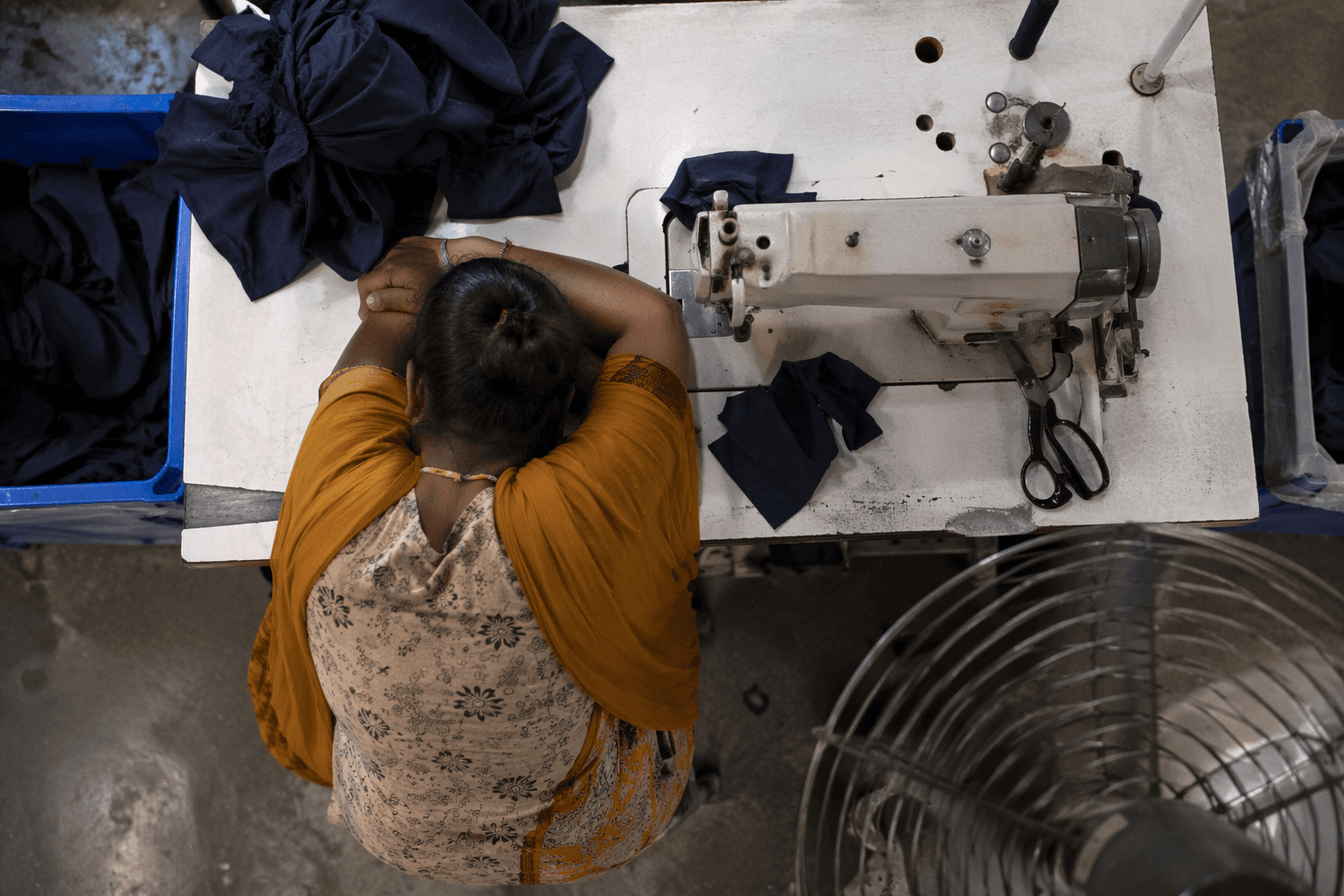
Lucy Siers, who worked on the NYU Stern report, said factories are already losing output and facing quality and delivery risks now, not in some future scenario. Her warning cuts to the heart of the industry’s favorite climate language: adaptation is not an abstract sustainability pledge, but a workplace and logistics problem that can decide whether a season lands on time.
Suppliers told researchers they would invest further in heat-mitigation measures if brands required it, provided technical support, or shared the cost. That detail exposes the gap in current purchasing practice. When buyers squeeze prices and demand ever-faster turnaround, resilience becomes a bill suppliers are expected to absorb alone. In India, where apparel manufacturing remains central to export earnings and employment, that model is becoming harder to defend as temperatures rise.
The scale of the labor risk is global. The International Labour Organization estimates that 70% of the world’s working population, or 2.41 billion workers, are exposed to extreme heat every year, with 23 million non-fatal injuries and 19,000 deaths annually tied to heat exposure. Against that backdrop, the report argues that protecting workers from dangerous heat is essential to stable and resilient supply chains, not a voluntary ESG extra.
Bloomberg’s reporting pointed to a broader pattern across South and Southeast Asia, where extreme heat is already disrupting garment factories and many global brands have failed to act. The message for fashion is blunt: if buyers do not fund adaptation, share risk and change the terms they impose on suppliers, the heat will keep rewriting lead times, costs and the conditions of the people making the clothes.
This article was produced by Prism’s automated news system from verified source data, official records, and press releases, then run through automated quality and moderation checks before publishing. The system is built and supervised by the people who set the standards it runs under. Read our full AI policy.
Did this article answer your question?