Fashion for Good finds 46 percent of shoe waste can be reworn
Almost half of post-consumer shoes can be worn again, but sorting, disassembly and pair matching keep that value trapped in the waste stream.

Nearly half of post-consumer footwear waste is still re-wearable, and that is exactly why the industry’s failure feels so maddening. The value is sitting right there in the pile, in shoes that could be cleaned, refurbished and sent back out, but the system keeps tripping over the basics: sorting them correctly, taking them apart, and matching left and right back into a saleable pair.
Fashion for Good’s new Phase 1 report for Closing the Footwear Loop, developed with Circle Economy, puts the scale of the problem in blunt terms. The global footwear industry turns out about 23.8 billion to 23.9 billion pairs of shoes a year, each packed with more than 40 components and, on another Fashion for Good project page, more than 60. Yet around 90 to 95 percent of used or discarded footwear still ends up landfilled, incinerated or otherwise unrecovered. That is not a niche waste problem. That is a structural design failure dressed up as a recycling challenge.

The sharpest detail in the report is the one brands should be embarrassed by: nearly half of the shoes classified as non-wearable had no physical damage. In other words, plenty of pairs are being written off because the system is too clumsy, too dirty or too fragmented to bother with a second look. Fashion for Good said only 4 percent of the sampled waste was contaminated beyond recovery, which means the real bottleneck is not some mountain of toxic sludge. It is the lack of efficient triage, refurbishment and cleaning at scale.
That is why the project’s workstreams matter more than the usual sustainability chatter. Closing the Footwear Loop is built around design for circularity, materials, end-of-use sorting, disassembly and recycling, and traceability to support claims and evidence. The program brought together 17 fashion and footwear brands and programs, including adidas, DEICHMANN, Dr. Martens, Inditex, lululemon, ON, PUMA, Reformation, Target, Tommy Hilfiger, Vivobarefoot and Zalando, after launching in February 2025 with 14 brands and later expanding on Fashion for Good’s own site. The point is not optics. It is infrastructure.
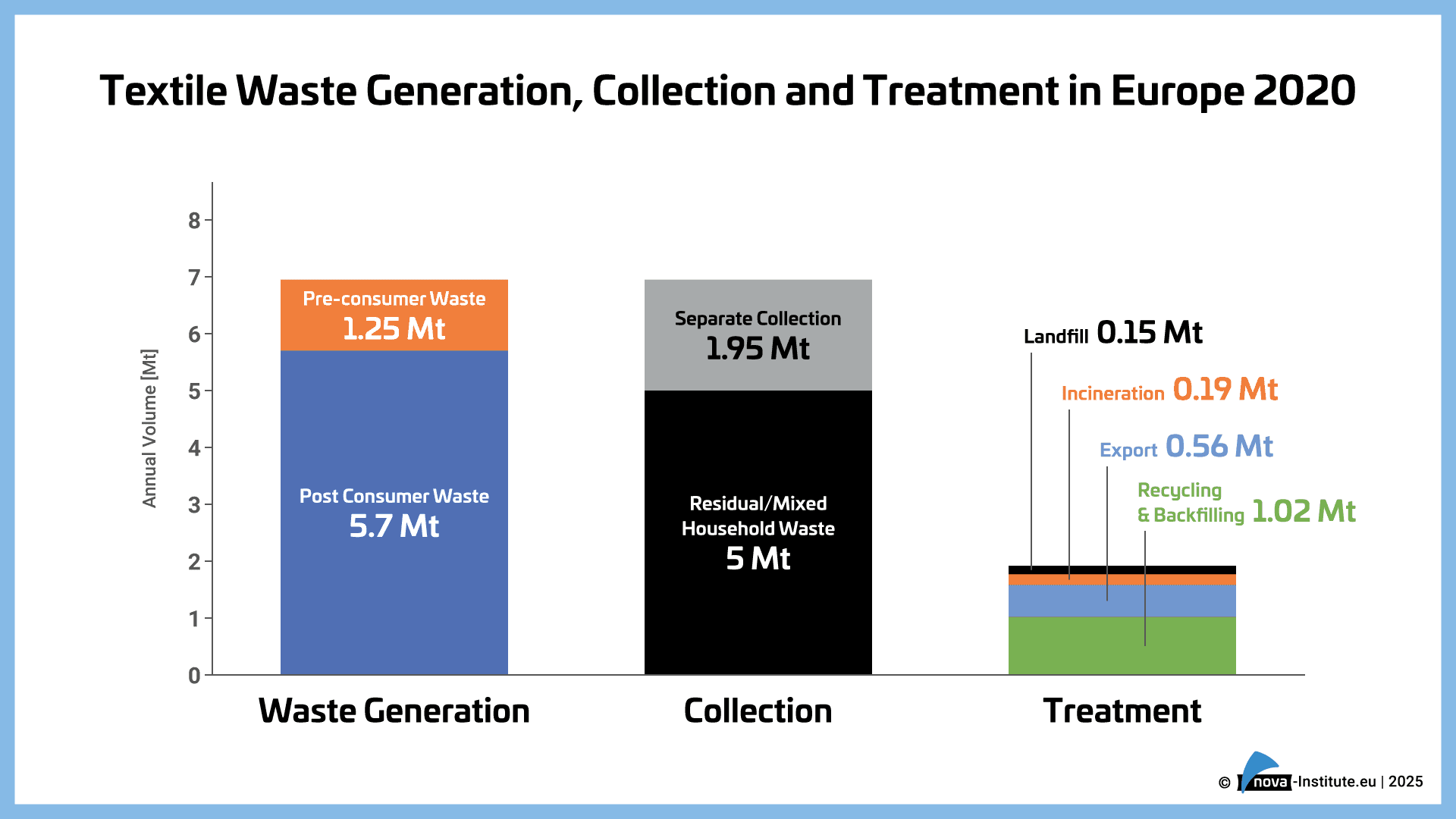
Fashion for Good has already seen what happens when the industry tests the plumbing instead of just talking about it. A FastFeetGrinded pilot with adidas, Inditex, Target and Zalando pushed pre- and post-consumer shoes into material granulates and demonstrator products. The next hurdle is uglier and more expensive: domestic collection, better disassembly, stronger reverse logistics, and actual sorting systems that can tell wearable from junk before value gets exported or crushed out of existence. Independent reporting says about 90 percent of re-wearable footwear from the EU is exported, mainly to the United Arab Emirates, China and Pakistan, while global footwear recycling remains below 1 percent. That is the bottleneck in one sentence: shoes are being discarded faster than the industry can decide what they are still worth.
This article was produced by Prism’s automated news system from verified source data, official records, and press releases, then run through automated quality and moderation checks before publishing. The system is built and supervised by the people who set the standards it runs under. Read our full AI policy.
Did this article answer your question?