Fashion Revolution closes London HQ, decentralizes global worker-rights campaign
Fashion Revolution is closing its London HQ as worker-rights campaigning spreads across 80-plus geographies. The move tests whether decentralization can survive fashion’s funding squeeze.

Fashion Revolution is closing its UK-based headquarters and winding down its community interest company in London, handing more autonomy to affiliates in Australia, Brazil, Kenya, Spain and the United States. The move lands in a challenging funding and operating environment, and it turns the organization’s next chapter into a blunt test of whether fashion accountability can thrive without a central office.
The timing is pointed. Fashion Revolution Week 2026 begins on April 24, the anniversary of the Rana Plaza disaster in Savar, near Dhaka, and will run across more than 80 geographies worldwide. Mend in Public Day is set for April 25, while the campaign’s signature question, “Who Made My Clothes?”, remains the sharp, simple demand that built the movement’s public face. Fashion Revolution has tried to keep the restructuring out of the spotlight so the week itself does not lose momentum.

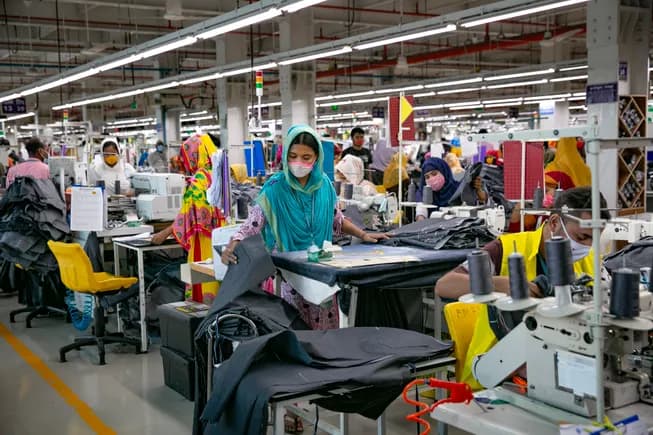
That restraint matters because the movement was born from crisis, not branding. Fashion Revolution was founded in 2014 by Orsola de Castro and Carry Somers after the 2013 Rana Plaza collapse killed 1,134 garment workers and exposed how little of the apparel industry could answer for the people making its clothes. The disaster became the industry’s darkest wake-up call, and Fashion Revolution’s pressure campaign has since drawn responses from more than 3,800 global brands. De Castro stepped away from a directorial role in 2022, but her influence still hangs over a model that now prizes local control over a single London command center.
The organization says it operates in more than 90 countries, while its website describes a Global Network spanning 75. Its about page says all Fashion Revolution organizations work toward clothing that is made in a safe, clean and fair way, even if local groups pursue different activities. That flexibility can look smart, especially when activist budgets are tight and the work needs to feel closer to the communities doing it. It can also look like a warning sign. When a campaign that once leaned on a recognizable headquarters begins to spread itself thinner, decentralization can strengthen grassroots energy, but it can just as easily reveal how much institutional support has shrunk.
Fashion Revolution’s current agenda still carries weight, including its 2025 What Fuels Fashion? report, which ranks 200 of the world’s largest fashion brands on disclosure of climate and energy-related policies, practices and impacts. But the closure of the London HQ shows how fragile the financial architecture of fashion activism has become. The movement is not disappearing; it is being remade under pressure, leaner and more local, with the burden of accountability now resting even more heavily on the network itself.
This article was produced by Prism’s automated news system from verified source data, official records, and press releases, then run through automated quality and moderation checks before publishing. The system is built and supervised by the people who set the standards it runs under. Read our full AI policy.
Did this article answer your question?