Montana Hemp, Vietnam Textile Firms Launch Traceable Farm-to-Fashion Supply Chain
Montana hemp is heading into Vietnam’s mills, with the first yarns and fabrics shown in Portland and a traceable pipeline aimed at American and European brands.

A Montana hemp crop is moving into fashion’s supply chain through Vietnam, where the real test is not the press release glow but whether raw fiber can become consistent, scalable cloth. IND HEMP, Summit International Trading and Thien Phuoc Ramie Group signed a memorandum of understanding in Fort Benton, Montana, to link U.S.-grown hemp fiber to Vietnam’s spinning and garment-making base, with the first yarns and fabrics already shown at Functional Fabric Fair in Portland, Oregon, at Booth #827C.
The division of labor is clear and practical. IND HEMP supplies decorticated hemp fiber grown and processed in Montana. Summit International Trading manages import logistics and in-country coordination. Thien Phuoc Ramie Group handles degumming, spinning and textile production. That structure matters because hemp is only as useful to fashion as its processing chain, and this one is built to turn stalk fiber into usable yarns, fabrics and finished goods instead of leaving it stranded at the farm gate.
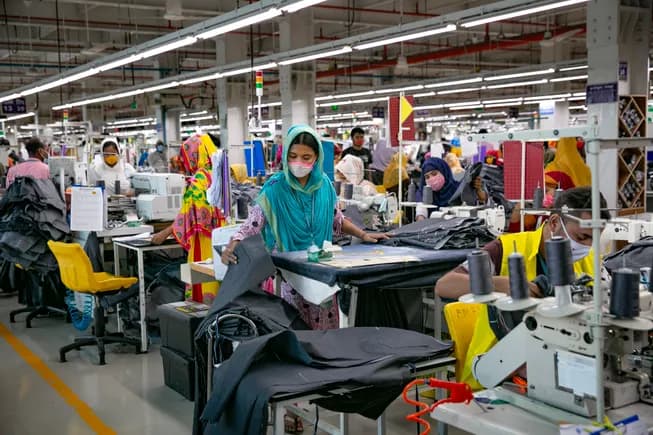
The route into Vietnam had already opened months earlier. In December 2025, Summit International imported the first containers of raw U.S. hemp fiber into Vietnam after policy changes allowed hemp-fiber imports. Before that shift, hemp-based imports had reportedly been restricted to yarns and textiles, which made this kind of fiber-first pipeline difficult to imagine, let alone execute. Vietnam’s role as an established spinning, weaving and garment manufacturing hub gives the partnership a ready industrial setting, especially for brands looking for natural fibers with a clearer chain of custody.
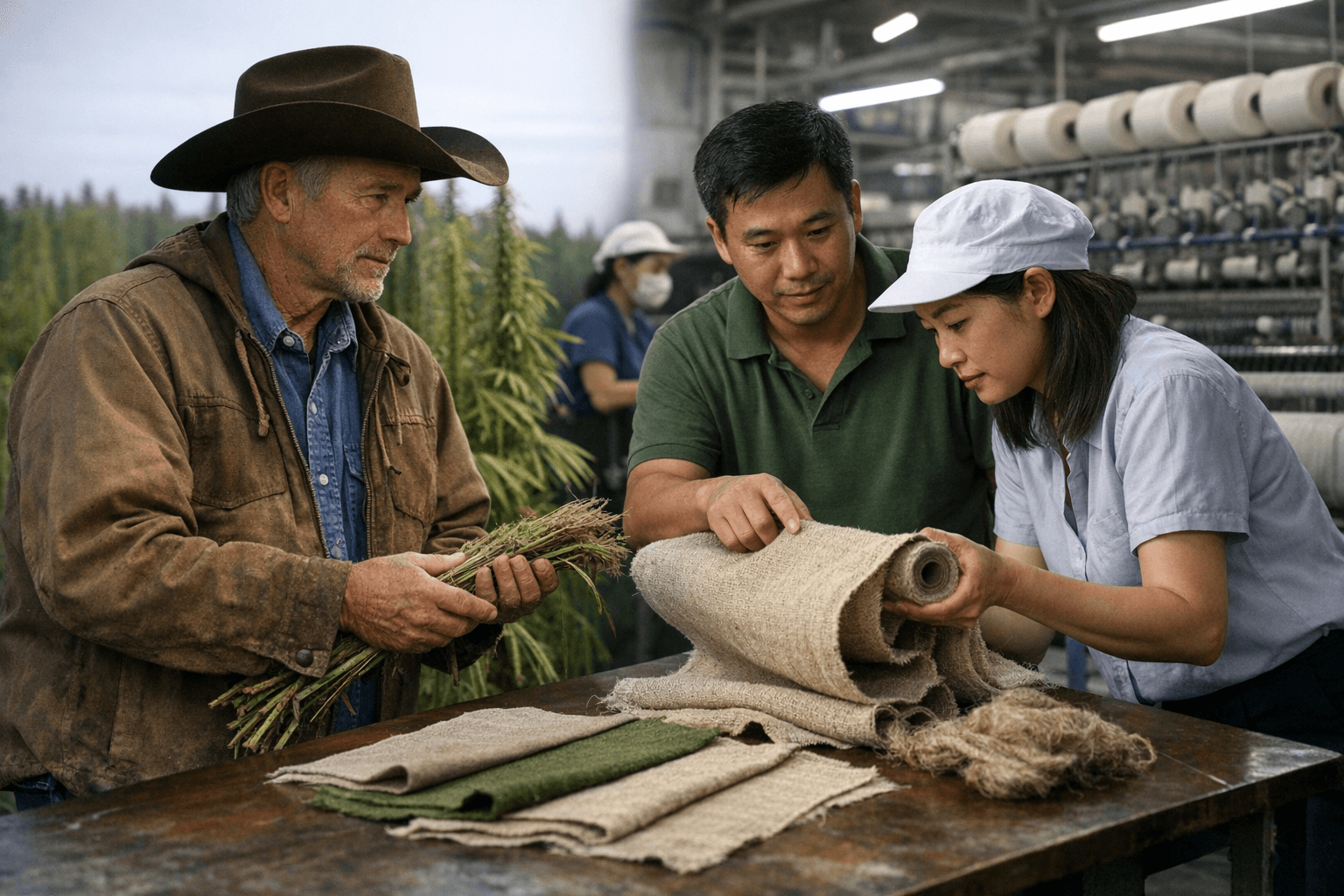
For IND HEMP, the stakes are bigger than one crop or one trade lane. The Fort Benton-based, Certified B Corp says it wants to build sustainable markets for hemp across textiles, nonwovens and food, while creating opportunities for American farmers and rural communities. The company says its fiber line can be used for textile applications and its processing line can handle 5 tons of raw stalk per hour, a detail that hints at the scale needed if hemp is going to be more than a niche material story.
The harder question is commercial, not romantic. Hemp brings appeal on traceability, sourcing and fiber diversification, especially for brands chasing performance fabrics with a smaller footprint. But it still has to prove itself against cotton and synthetics on consistency, processing cost and price. This partnership suggests the industry is getting smarter about the infrastructure around hemp, not just the marketing of it. That is where the real fashion story begins.
This article was produced by Prism’s automated news system from verified source data, official records, and press releases, then run through automated quality and moderation checks before publishing. The system is built and supervised by the people who set the standards it runs under. Read our full AI policy.
Did this article answer your question?