Fashion Seeks Value Beyond Volume at ChangeNow Climate Conference
At ChangeNow 2026, fashion dropped the green pledges and picked up a harder problem: building business models that extract revenue from what already exists.

Fashion's problem is no longer a lack of solutions. At ChangeNow 2026, the 11th edition of the Paris climate conference that drew more than 40,000 participants to the Grand Palais, that was the consensus across the dedicated fashion track. The industry knows how to talk about circularity. What it hasn't cracked is how to profit from it.
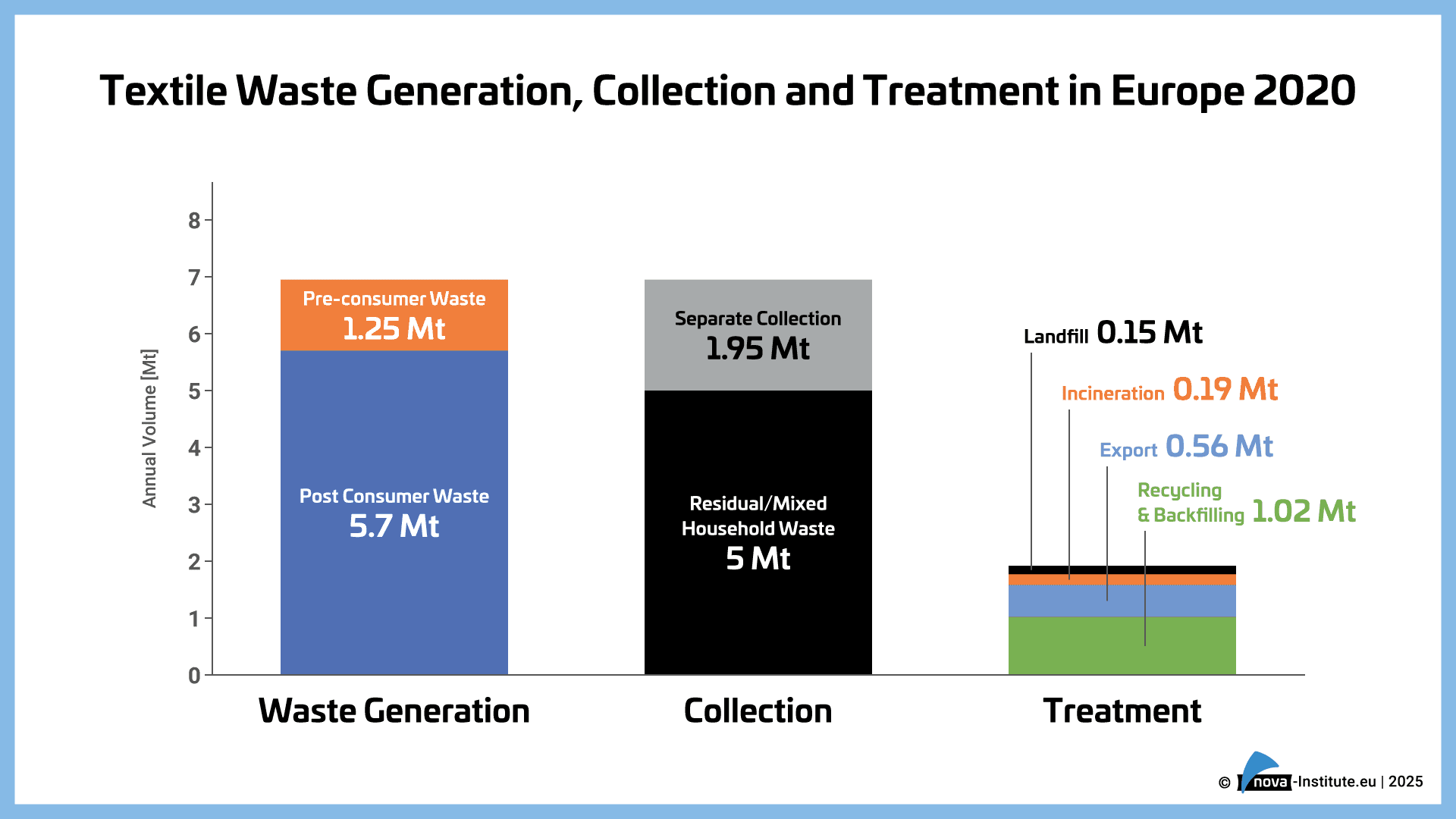
For decades, growth ran on a "take, make, waste" logic that delivered volume by design. Now, with EU regulations tightening around textile traceability and the physical limits of waste becoming harder to ignore, brands face a more fundamental challenge: how to grow without simply producing more.
The fashion track's answer ran through three channels: resale, repair, and data. Digital product passports drew sustained attention as one of the most commercially ready tools available, giving brands a mechanism to embed traceability directly into garments. When a digital product passport travels with a piece, information about material composition, origin, and end-of-life options becomes accessible at the point of resale or repair, creating value from existing inventory rather than demanding new production. Industrial-scale textile recycling was the second infrastructure argument, framed not as an environmental initiative but as a revenue-enabling system the industry hasn't yet built to the necessary scale.
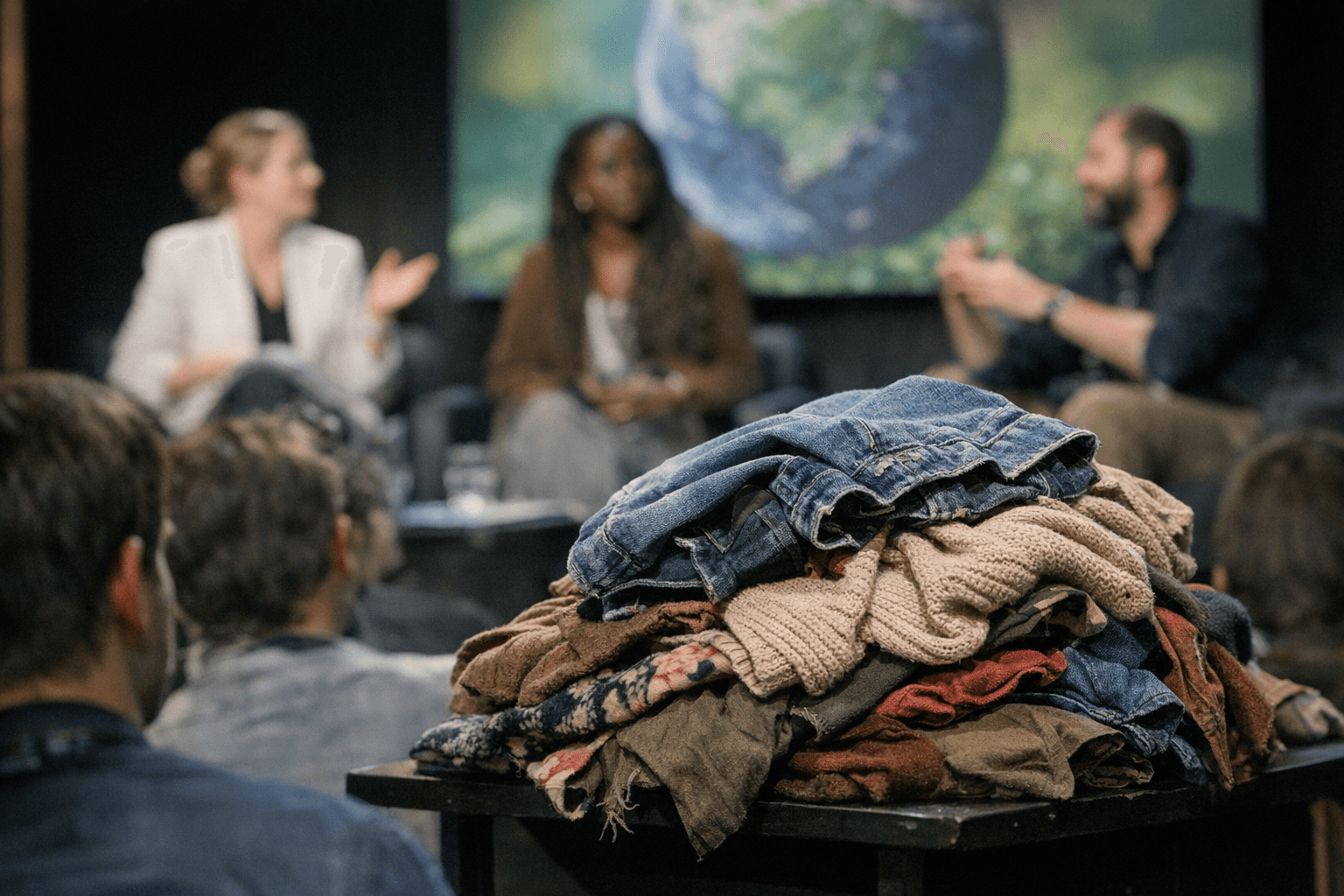
Kering anchored the conference's highest-profile fashion moment with its "Fashion Our Future: Redesigning Fashion's Value Chain" evening program. Marie-Claire Daveu, the group's chief sustainability and institutional affairs officer, appeared alongside ChangeNow CEO Santiago Lefebvre and Fashion Future Forward cofounder Paula Miquelis. The conversation centered on rethinking what value extraction actually means for fashion: not greener versions of the same products, but fundamentally different revenue streams built on what already exists in the world.
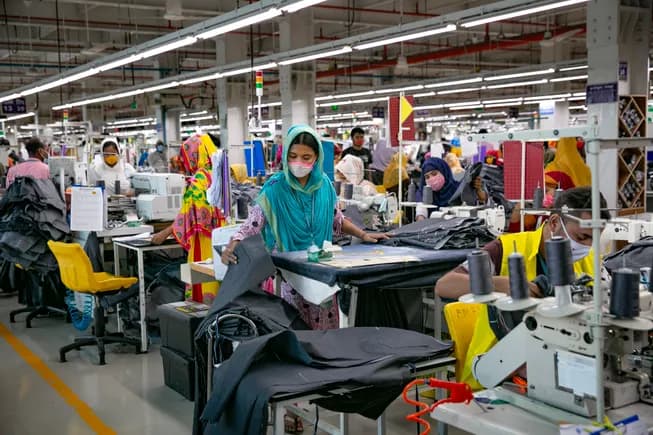
The conference also put structural pressures directly on the table. Geopolitical instability and energy disruptions were named as active threats to production hubs, with Bangladesh, one of fashion's largest garment-manufacturing centers, specifically flagged as exposed. These are not theoretical risk scenarios; they are already hitting operational supply chains, and they make the case for circular business models on commercial terms as much as environmental ones.
That commercial framing is what distinguishes ChangeNow from a well-intentioned symposium. Panels including "Fashion's Waste Problem" gave the fashion track grounding in real constraints. Investor interest, policy signals, and infrastructure conversations are increasingly converging in the same room, inside a venue better known for Chanel's runway spectacle. The industry's narrative is shifting from symbolic commitment to bankable strategy. Whether the business models catch up to that ambition is the question the next few seasons will begin to answer.
This article was produced by Prism’s automated news system from verified source data, official records, and press releases, then run through automated quality and moderation checks before publishing. The system is built and supervised by the people who set the standards it runs under. Read our full AI policy.
Did this article answer your question?