Fashion’s sustainability push still underweights modern slavery risk
Fashion can’t call itself sustainable while forced labor still runs through its seams. Real progress now means worker protection, not just greener materials.
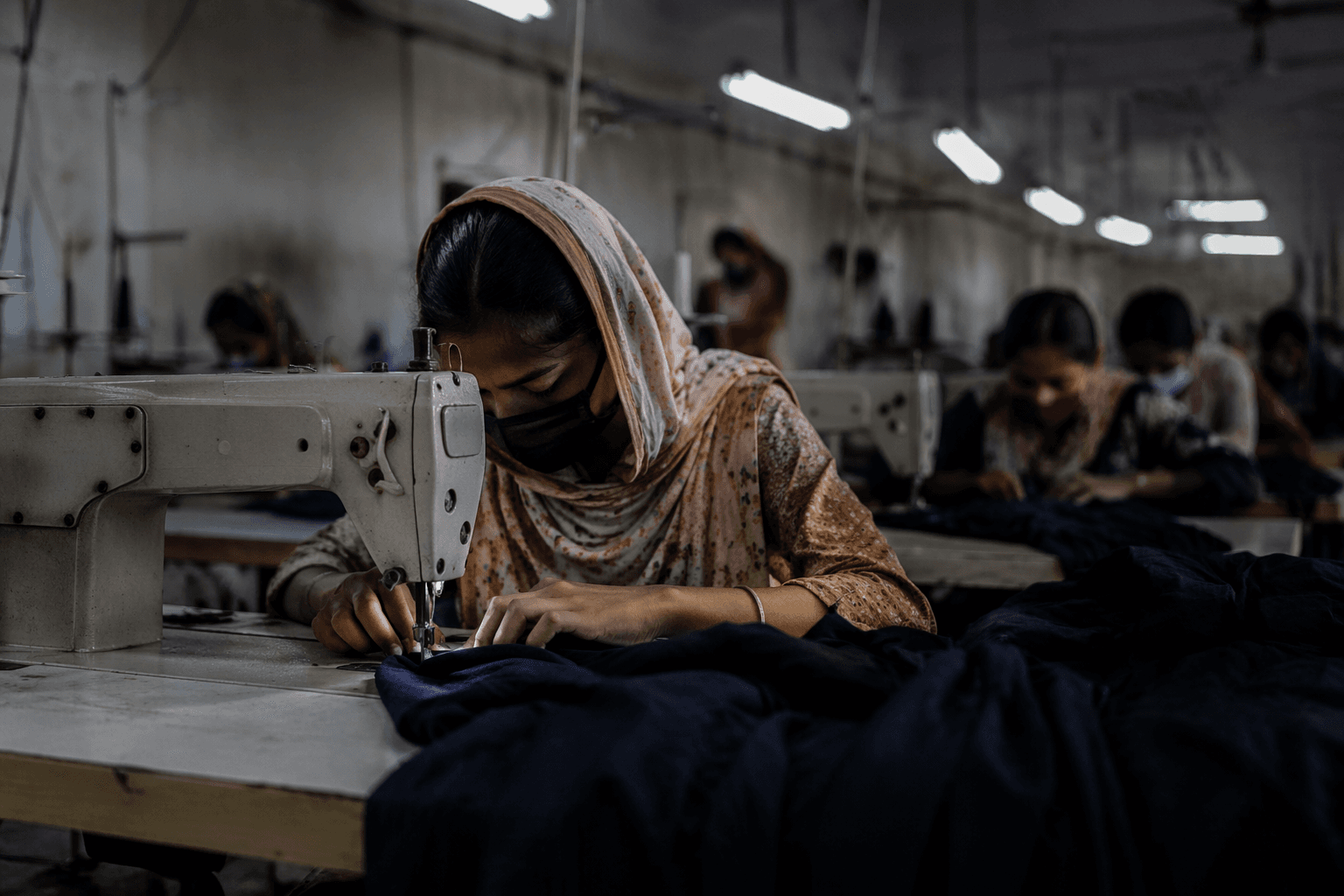
The missing half of sustainability
Fashion cannot call itself sustainable while forced labor and modern slavery remain embedded in its supply chain. That is the hard line Walk Free is drawing, and it cuts through the softer language of recycled fibers, climate targets and circularity. When fashion supply chains touch almost every person on the planet, a cleaner textile story means little if the hands making it are still exposed to coercion, unpaid hours and abuse.
The industry has spent years learning to speak the language of impact. Now it has to learn the language of responsibility. Environmental progress matters, but it is incomplete if the worker at the center of the chain is still treated as collateral.
Where the risk hides
Walk Free says the danger is not confined to one factory floor or one weak link. Risks of modern slavery exist at every stage of the garment supply chain, from growing and producing raw materials, to processing those materials into inputs, to manufacturing the finished garment. That means the problem can sit in fields, mills, dye houses and sewing lines all at once.
The conditions tied to that risk are painfully familiar: forced labour, wage theft, hazardous conditions and illegal overtime. Fashion can look pristine from the outside, all smooth hems and careful merchandising, but the reality underneath is often far rougher. If the industry wants to claim real progress, it has to confront the fact that the seam line is not just a design detail, it is a point of vulnerability for the people making the clothes.
Transparency is not accountability
This is where much of fashion’s current sustainability playbook falls short. Walk Free argues that transparency laws and reporting obligations can expose risk, but they do not by themselves guarantee remediation or accountability for affected workers. In other words, a disclosure is not a fix, and a supplier list is not a safeguard.
That distinction matters because brands often celebrate visibility as if it were the same thing as change. It is not. A modern slavery statement can name the problem, but it does not automatically change purchasing practices that squeeze factories, or supplier contracts that shift risk onto the weakest party. When brands buy with too much pressure and too little flexibility, the cost is pushed down the chain and workers absorb it in the form of unpaid hours, unsafe conditions and punishing schedules.
A genuinely responsible sustainability agenda has to go beyond what gets published on a website. It has to reach into the commercial mechanics of fashion, where deadlines, margins and contracts shape the lives of workers long before a garment reaches a showroom.
What a worker-inclusive standard looks like
A worker-inclusive sustainability standard would start with transparency, but it would not stop there. It would treat labor protection as part of the core business model, not an optional extra tucked into a corporate responsibility report. That means looking not just at what a brand says, but at how it buys, how it contracts and what happens when abuse is uncovered.
- Transparency laws should be a starting point, not the end of the conversation.
- Purchasing practices should stop rewarding rushed production, unrealistic pricing and last-minute order changes that can drive illegal overtime and wage theft.
- Supplier contracts should be written to support remediation, not simply to punish suppliers when problems surface.
- Worker-centred action should be built into the system, so the people most exposed to exploitation are protected rather than ignored.
That is the standard fashion still has not fully embraced. The industry knows how to measure emissions, source lower-impact materials and sell the promise of circularity. It is still far less willing to measure the human cost of the buying model itself.
The urgency is not abstract
Walk Free’s Global Slavery Index estimates that 50 million people were living in modern slavery on any given day in 2021, an increase of 10 million since 2016. That scale should make fashion’s labor blind spot impossible to ignore. Modern slavery is not a niche ethical issue on the edge of the industry, it is part of the larger machinery that keeps the global garment system running.
The policy landscape is shifting too. Governments around the world are rolling out mandatory human rights due-diligence laws, forced-labor import bans and supply-chain transparency mandates, including in the United Kingdom, Australia and the European Union. The direction is clear: the old model of voluntary promises and thin disclosure is losing ground to harder accountability. Fashion can either shape that transition or be dragged into it.
Circularity is not enough on its own
Recent reporting on fashion’s sustainability debates shows how easily workers can be pushed to the margins even as the industry talks more loudly about circularity and resilience. At fashion’s flagship sustainability conference, the conversation has tilted toward circular business models and the idea that sustainability is mainly a business problem. That may be useful for boardrooms, but it can become a distraction if it sidelines the people doing the cutting, sewing, dyeing and finishing.
Circularity, resale and repair all matter. Lower-impact materials matter too. But none of those fixes excuse a supply chain that still tolerates exploitation. A garment made with better fibers is not truly better if it is still stitched under coercive conditions.
Fashion’s next sustainability standard has to be visibly different. It should look like tighter buyer discipline, cleaner supplier contracts and a willingness to treat worker protection as non-negotiable. Until that happens, the industry is still polishing the surface while the deepest risks remain hidden in the seams.
This article was produced by Prism’s automated news system from verified source data, official records, and press releases, then run through automated quality and moderation checks before publishing. The system is built and supervised by the people who set the standards it runs under. Read our full AI policy.
Did this article answer your question?


