Fashion’s two-dollar T-shirt economy squeezes workers and sustainability claims
Brands still buy cotton T-shirts for as little as $1, while Everlane’s sale to Shein shows how fast-fashion economics are swallowing ethical branding.
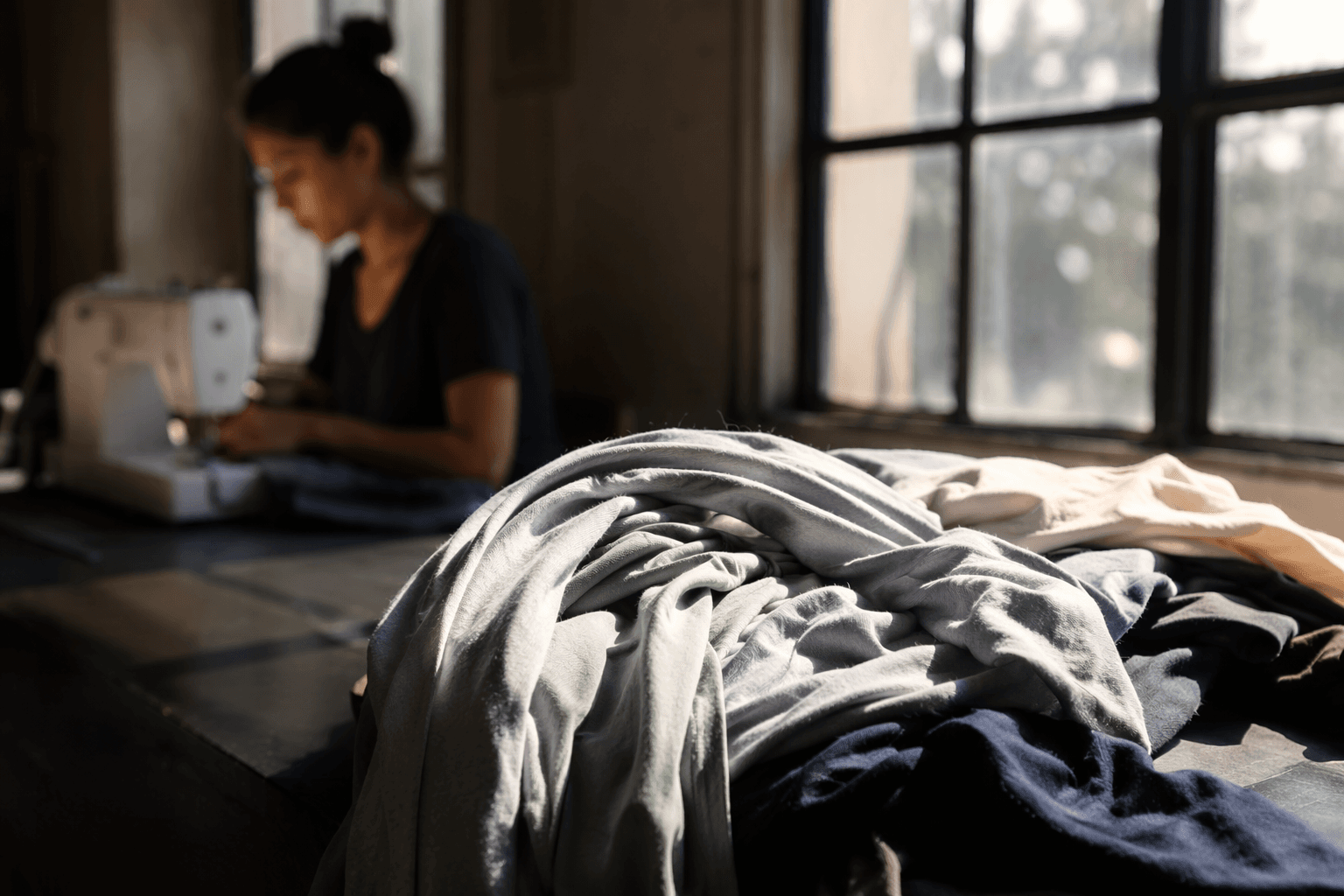
The clean cotton T-shirt, fashion’s most democratic basic, is still being bought by brands for about $2 to $3 a piece, with some unit prices sinking below $1. That is the blunt math behind fashion’s latest sustainability paradox: the same industry that sells responsibility in soft neutrals and recycled tags is still squeezing suppliers into prices that make responsible production nearly impossible.
A new report from Public Eye and the Clean Clothes Campaign says those sourcing prices have fallen in real terms over 25 years, once global inflation is taken into account. It also found that 61% of cotton T-shirts imported into the European Union are made in Bangladesh, where the average import price for a cotton T-shirt in 2025 was $2.67 and the Bangladesh-sourced price was $2.06. The report names Inditex, Primark, H&M, Bestseller and Fast Retailing among the major buyers it examined, and says none of the six highest-volume buyers of cotton T-shirts from Bangladesh over the past five years raised sourcing prices in line with inflation.
That pressure lands first on labor. The report says brands set fixed target prices in negotiations, then factories are pushed to accept orders that do not cover the cost of responsible production. When suppliers are squeezed, labor conditions are the first thing to go, which is why the industry’s sustainability language sounds so thin against the evidence on the factory floor. Public Eye researcher David Hachfeld said relentlessly low sourcing prices are the organizing principle of today’s garment industry, and that a just and sustainable fashion system built on two-dollar shirts is impossible.
Amnesty International made the same argument from a different angle in November 2025, after research in Bangladesh, India, Pakistan and Sri Lanka. Its investigators conducted 88 interviews across 20 factories and surveyed 21 major brands and retailers. Amnesty secretary general Agnès Callamard said the industry’s business model sacrifices garment workers’ rights in pursuit of profit, a judgment that lands especially hard in a year when labor-rights groups already warn that funding for watchdogs and worker-advocacy programs is shrinking.
Then came the culture shock: Shein agreed to acquire Everlane in a deal valued at about $100 million. Everlane, founded in 2010 by Michael Preysman and Jesse Farmer, built its reputation on radical transparency and honestly priced basics, the kind of minimal wardrobe pieces that once signaled ethical intent. Everlane chief executive Alfred Chang said the brand would remain independent and keep its sustainability commitments while expanding globally, but the symbolism is hard to miss. When the bargain-basement logic of Shein meets Everlane’s polished conscience, the message is clear: in a business built on lower prices and faster growth, even the greenest branding gets pulled toward the same hard floor.
This article was produced by Prism’s automated news system from verified source data, official records, and press releases, then run through automated quality and moderation checks before publishing. The system is built and supervised by the people who set the standards it runs under. Read our full AI policy.
Did this article answer your question?


