Fast Retailing cuts supply-chain emissions 20% early, sets new target
Fast Retailing says it hit a 20% Scope 3 cut five years early, then reset the bar to 30% by 2030. Factories, mills and freight are now where the pressure sits.

Fast Retailing said it has already cut supply-chain greenhouse gas emissions 20% from its 2019 baseline, five years ahead of its original fiscal 2030 deadline, and then raised the target again to a 30% reduction by 2030. For the parent of UNIQLO and GU, the story is no longer about announcing a goal. It is about proving that the reductions came from factories, fabric mills and shipping lanes, not from clever accounting.
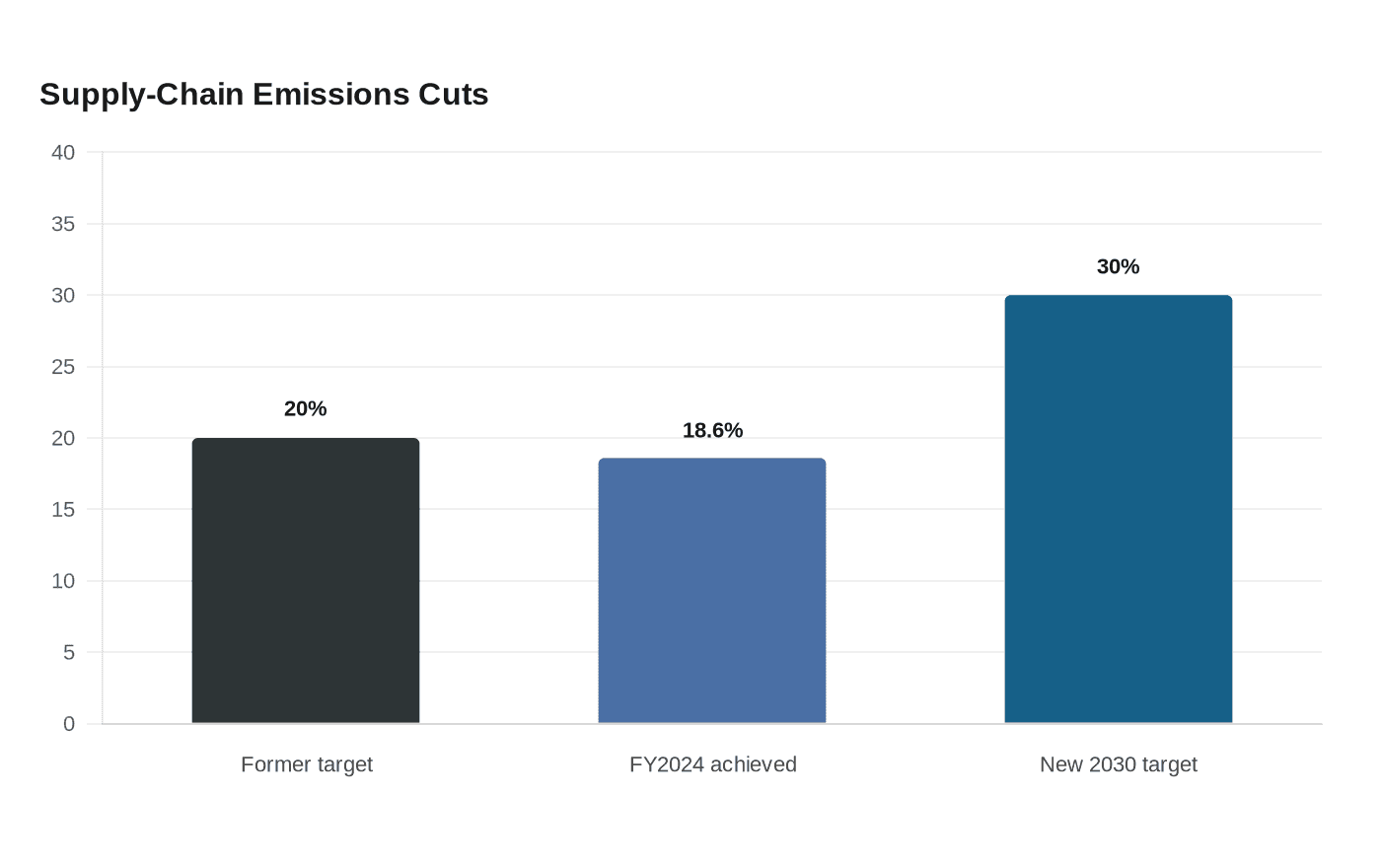
The company’s original target, approved by the Science Based Targets initiative in September 2021, covered emissions from raw material production, fabric making and sewing for UNIQLO and GU products. Fast Retailing said it had already delivered an 18.6% reduction against the former 20% goal by fiscal 2024, then said its reduction rate reached 90.3% by the fiscal year ending August 2025, versus the fiscal year ending August 2019. In November 2025, it lifted the 2030 supply-chain target from 20% to 30%, a sharper target that will test whether the early win was a one-off or the beginning of a deeper factory reset.
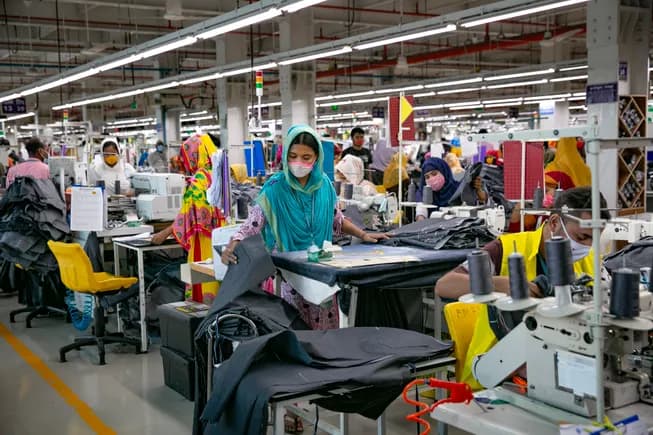
The mechanics matter. Fast Retailing says it is pursuing the cuts with production partners, using the Higg Index and other apparel-industry indices at core garment factories and fabric mills, while consolidating shipments with logistics partners and improving loading efficiency. It also says it is keeping its business with a small number of select partners, a structure that makes supplier changes easier to enforce than in a more fragmented sourcing model. That is where the real emissions work lives: in boiler upgrades, cleaner power contracts, tighter freight planning and the dull but decisive details of how cloth, trim and finished goods move through the chain.
Fast Retailing’s broader roadmap gives the next 10% cut some shape. By fiscal 2030, it says it wants to reduce coal use in the supply chain by about 90%, source 70% or more of supply-chain energy from renewable power, improve energy efficiency by at least 50% and raise recycled and other low-GHG materials to around 50%. Koji Yanai has linked that effort to the company’s LifeWear strategy and to a net-zero greenhouse gas target for 2050. The question now is whether the next phase can keep pushing suppliers further down the carbon curve without relying on the easiest gains already captured.
This article was produced by Prism’s automated news system from verified source data, official records, and press releases, then run through automated quality and moderation checks before publishing. The system is built and supervised by the people who set the standards it runs under. Read our full AI policy.
Did this article answer your question?