France fines Shein over €22 million as scrutiny tightens on fast fashion
France slapped Shein with more than €22 million in new fines, hitting returns, traceability and green claims as regulators turn compliance into a cost center.

France just made the Shein problem expensive in a way fast fashion cannot shrug off. Two fines totaling more than €22 million landed on the ultra-fast-fashion giant on June 3, with regulators citing failures in product traceability, environmental labelling and delivery times. One penalty, €5.77 million, hit Infinite Style Ecommerce Co Ltd, the entity handling Shein sales, over the 14-day withdrawal period and free returns on certain purchases. The other, €16.73 million, targeted Infinite Styles Services Limited for consumer-law violations.
This is not just about paperwork. It goes straight to the consumer-facing promises that keep platforms like Shein sticky: easy returns, clear shipping timelines and glossy sustainability language that sounds reassuring until regulators start checking the fine print. French authorities said the new penalties pushed the country’s total fines against Shein past €210 million, which tells you the scale of the enforcement problem now attached to the brand.
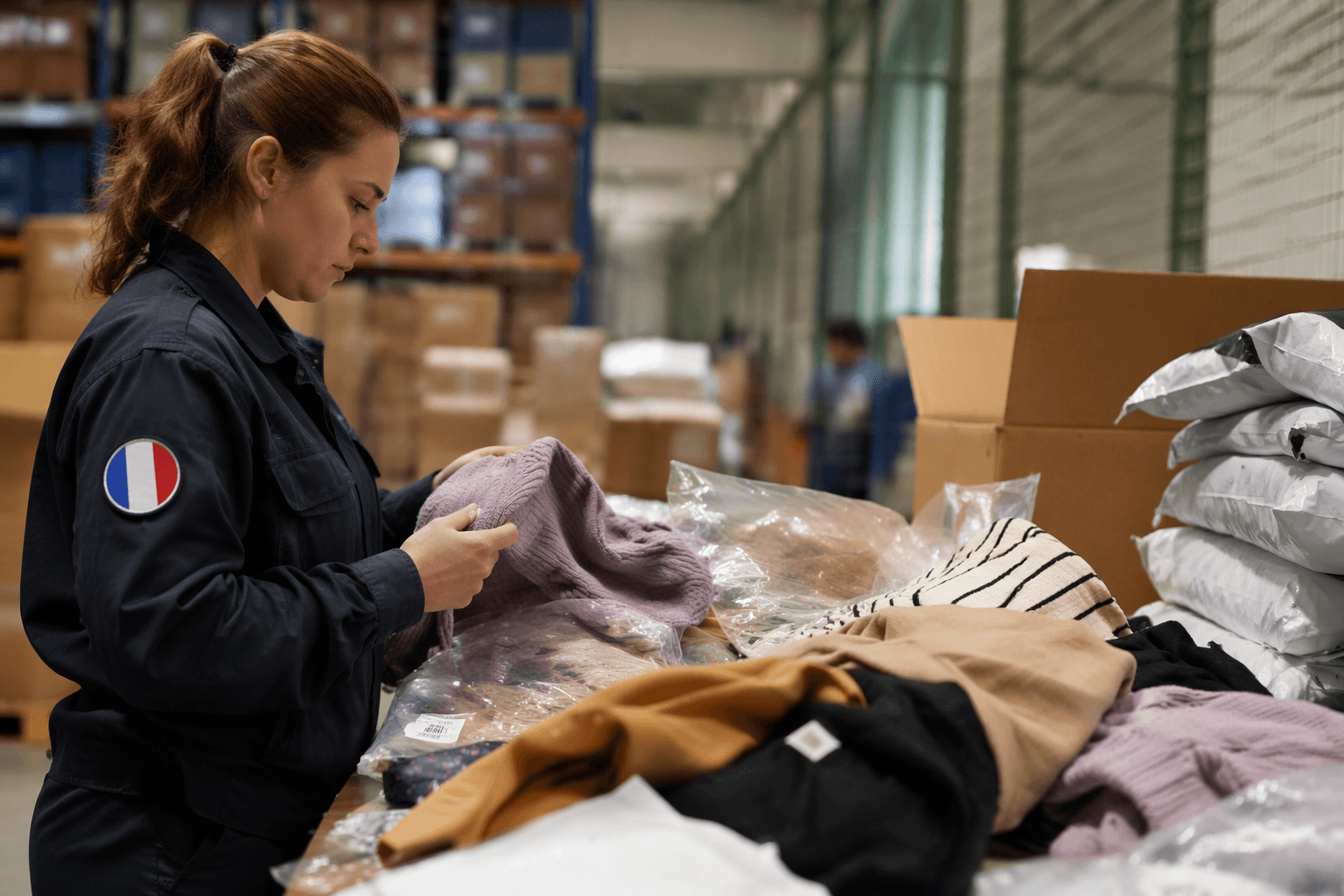
Shein said it disputed the findings and called the fines “manifestly disproportionate,” arguing that no consumer harm had been established. That defense lands differently when the alleged breaches involve the moments shoppers actually feel: at checkout, when delivery dates are set; after purchase, when a return should be free; and on product pages, where environmental claims are supposed to mean something measurable.
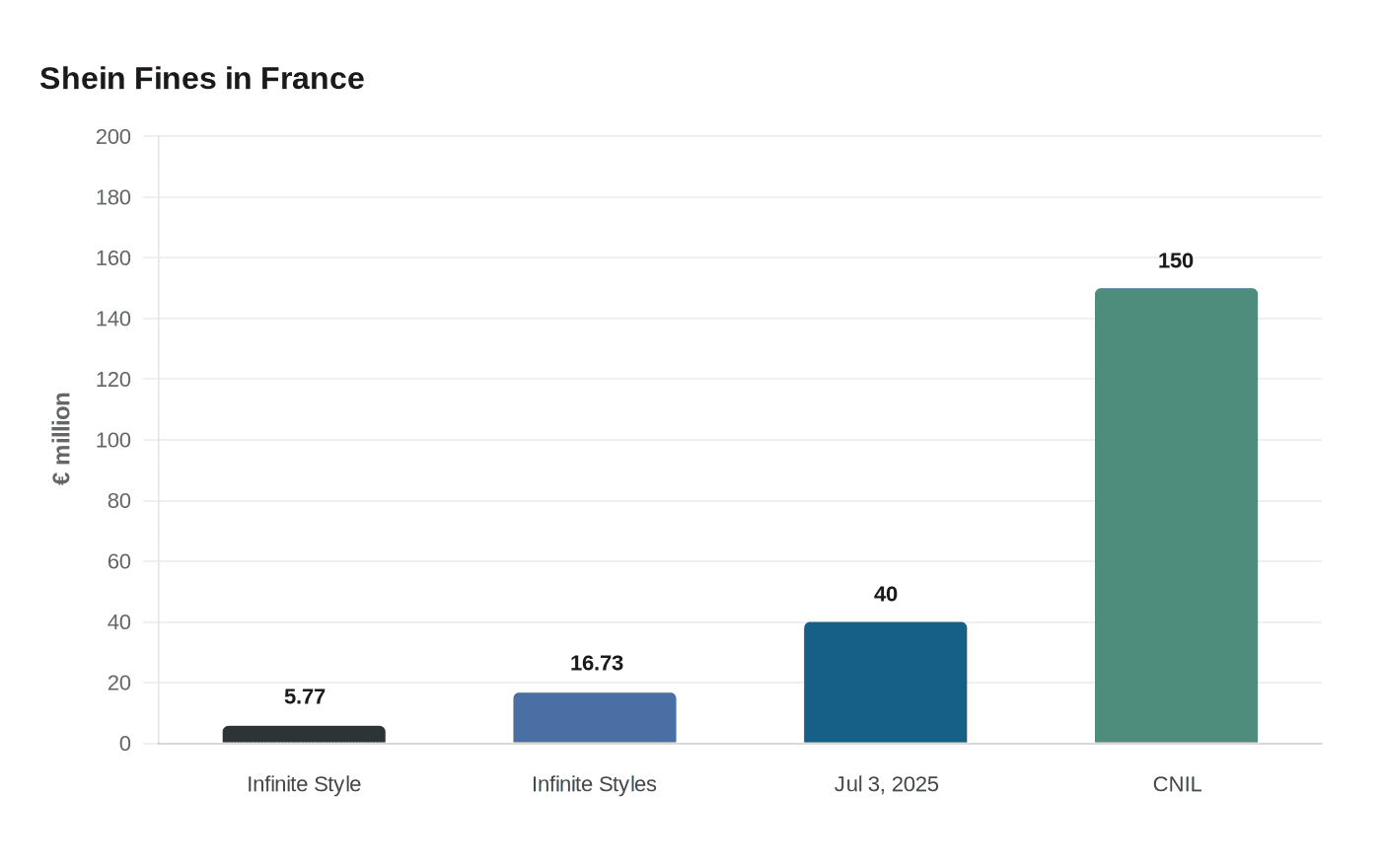
France has been building to this for more than a year. On July 3, 2025, it fined Shein €40 million after DGCCRF found misleading discount practices and unsupported environmental claims. In that case, 57% of verified promotions showed no real price cut, 19% were smaller than advertised and 11% were actually price increases, based on thousands of products reviewed on fr.shein.com between October 1, 2022 and August 31, 2023. That is the kind of pricing theater regulators are no longer willing to treat as harmless merchandising.
The pressure widened in May 2025, when France joined Belgium, Ireland and the Netherlands in coordinated EU action over fake discounts, pressure selling, misleading consumer-rights information and opacity around contact details. By September, France’s OECD National Contact Point had found Shein out of step with OECD principles and urged a rethink of its policy and business model. The same month, CNIL hit the company with a €150 million fine over cookie-rule violations.
The pattern is hard to miss. Europe is no longer policing fast fashion as a branding problem. It is treating compliance as a business liability, and Shein is now paying for every gap between the app and the actual rules.
This article was produced by Prism’s automated news system from verified source data, official records, and press releases, then run through automated quality and moderation checks before publishing. The system is built and supervised by the people who set the standards it runs under. Read our full AI policy.
Did this article answer your question?


