Ganni updates sustainability plan with women, climate and innovation focus
Ganni is setting 2026-2028 around women, climate and innovation, but the test is whether tier 2 audits, living wages and material cuts move the numbers.
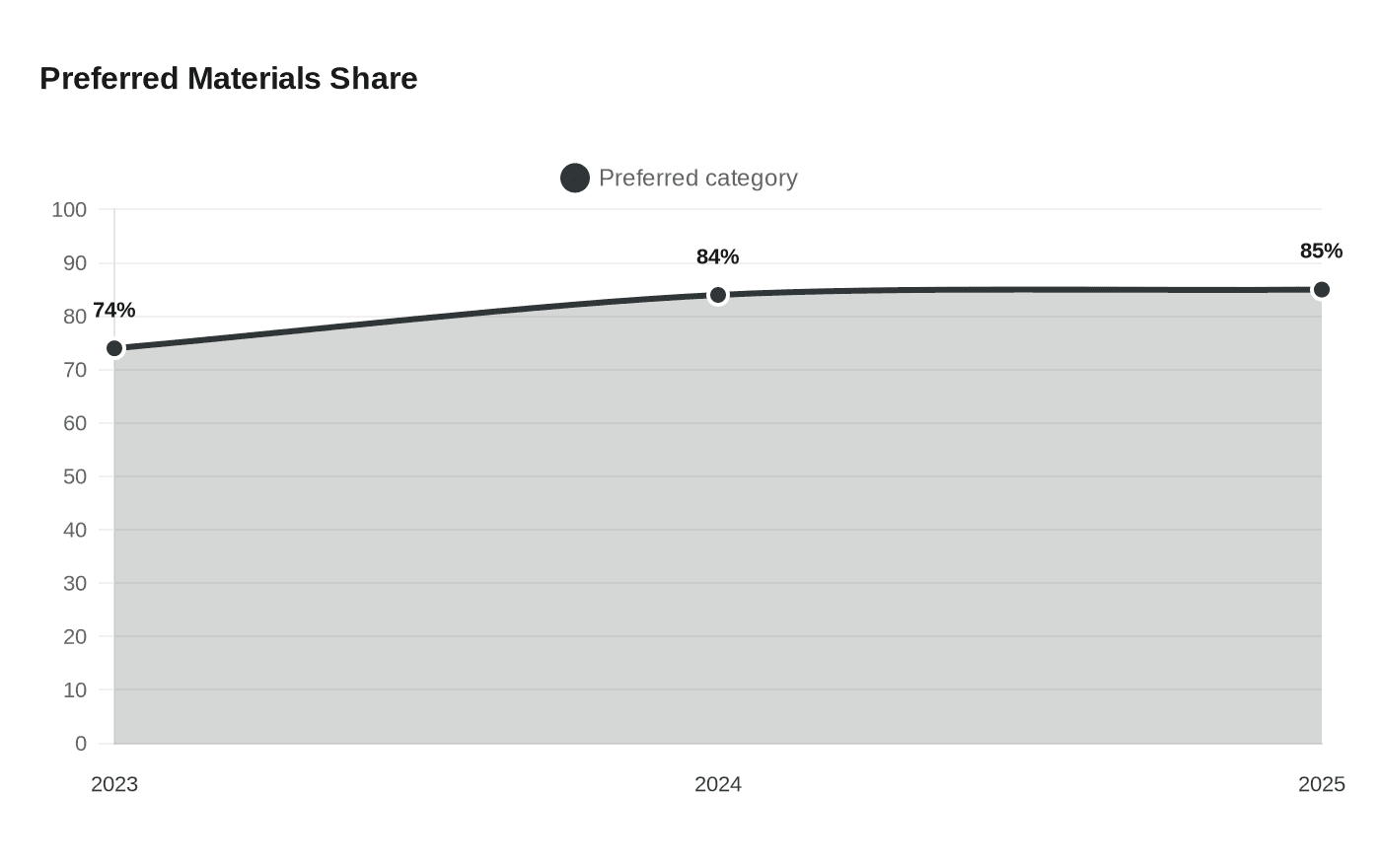
Ganni is entering its next sustainability chapter with a scoreboard, not a slogan. The Copenhagen label says it cut absolute carbon emissions by 32% in 2025, kept 85% of its materials and fibres in its Preferred category, and re-certified as a B Corp at 105.3 points. The real question now is whether Gameplan 3.0, which runs from 2026 to 2028, turns its new Women pillar into supply-chain change that can be measured in audits, wages and labor conditions.
The company calls Gameplan 3.0 its third sustainability strategy and says it is an iteration on the last one, not a full reset. That matters. Ganni started its formal responsibility journey in late 2019 with the first Gameplan, a broad list of 44-plus goals across people, planet, product and prosperity. Gameplan 2.0 covered 2023 to 2025 and focused on climate action and biodiversity, materials and innovation, circularity and supply chain traceability, and social impact. Now Ganni says it is future-proofing the business against evolving legislation rather than stepping back from the commitments already on the books.
Climate is still the hardest part of the brief, and Ganni is not pretending otherwise. The brand says nearly 70% of its total emissions come from fibres, fabrics and materials, which is why materials remain the most important lever in the closet. In 2024, 84% of its materials were classified as Preferred, up from 74% in 2023, and 98% of its cotton use sat in that Preferred category. Ganni also says it completed its first full year with no virgin leather in 2024, a commitment it first made in 2019. Its long-term pathway is to cut absolute emissions by 50% by 2027 from a 2021 baseline, a target verified by the Science Based Targets initiative.

The Women pillar is where the story gets sharper. Ganni says it has been a member of Fair Wear Foundation since 2022 and has worked since 2021 to push wages, supply-chain accountability and gender equality, diversity and inclusion. Its 2024 social impact reporting said 64% of suppliers were either paying a living wage or enrolled in its Living Wage Programme, and the 2025 report says that programme continued with eight suppliers. That is the number to watch. If women is more than executive-level branding, the impact should show up in supplier audits, wage progress and the hard edges of Tier 2 accountability, not just in the language around the plan.
Innovation and circularity are the other pressure points. Ganni says its circularity strategy spans designed-for-circularity, circular business models and recycling, including resale and repair, and it had set a goal of pulling 5% of revenue from circular business models by 2025. It also says it is pushing recycling pilots toward full-scale operations. Add in partnerships with Vestiaire Collective and The Fashion Pact, and the outline is clear: Ganni wants to look like a brand that stayed committed while parts of the industry quietly retreated. The next two years will show whether that commitment changes the clothes, the suppliers and the carbon behind them.
This article was produced by Prism’s automated news system from verified source data, official records, and press releases, then run through automated quality and moderation checks before publishing. The system is built and supervised by the people who set the standards it runs under. Read our full AI policy.
Know something we missed? Have a correction or additional information?
Submit a Tip