Why renting occasionwear is the circular choice for special events
Renting pays off when the dress gets real repeat wear, not one glossy night. The circular math is all about utilization.
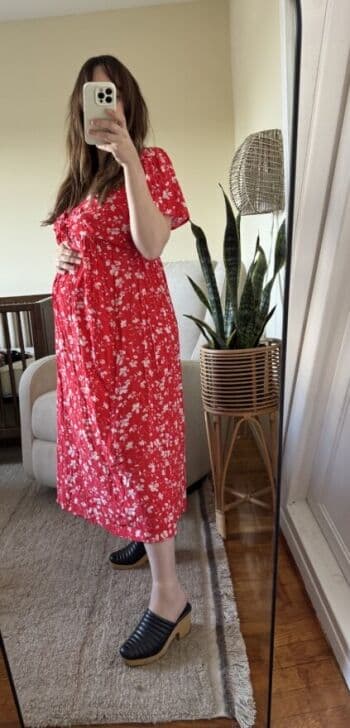
The cleanest circular move in occasionwear is also the least glamorous: rent the dress you will wear once. A wedding guest look, a gala gown, or a maternity shoot piece makes sense as a rental only when it replaces a one-night purchase and then keeps circulating, not when it just adds another round of shipping and cleaning.
The one-wear problem
The waste issue is brutally simple. UTS researchers note that Australia is one of the highest clothing consumers per capita, with the average person buying 56 garments a year, far above the recommended 5 to 7. They also flag special occasion garments as pieces that are typically worn once or twice, which is exactly why occasionwear is the strongest case for borrowing instead of buying.
That is the part people miss when they treat rental like a cute lifestyle perk. A bias-cut satin slip, a sequined column, a dress built for one black-tie room under one chandelier, these pieces are not meant to become workhorses in your weekly rotation. Rental makes sense when the garment is too specific, too formal, or too temporary to justify permanent ownership.
When the carbon math actually works
The best evidence keeps pointing to the same thing: wear count. A 2023 mixed-method study surfaced through ScienceDirect found that greenhouse-gas emissions per wear can be tremendously reduced when renting increases a garment’s lifetime wear, especially for dresses. A 2025 Nature Scientific Reports paper modeled life-cycle greenhouse-gas emissions for purchased versus rented garments, which puts the burden where it belongs, on how often a piece is actually worn.
UTS’s work with The Volte shows how that looks in the wild. The researchers analyzed nine of the platform’s most-rented garments, surveyed nearly 900 renters, and interviewed “Super Lenders,” then concluded that peer-to-peer rental can democratize access to designer fashion while aligning with circular-economy principles. They also found that rental can cut emissions per wear by up to 78% for low-frequency garments, and that some dresses on the platform are worn more than 30 times.
That is the real circular sweet spot: high-quality occasionwear that moves through many closets instead of gathering dust in one. The Volte’s model is especially telling because it is built around formal, high-utilization pieces rather than disposable trend items, which is exactly where circularity has the best shot at working.
The rental market is not one thing anymore
Rent the Runway helped build the modern category. The company says it was founded in 2009 by Jenn Hyman and Jenny Fleiss after a $2,000 designer wedding dress pushed the idea that renting could make more sense than buying. Nuuly, under URBN, launched in 2019 and now frames rental as a flexible wardrobe system, not just a special-occasion fix.
Nuuly is the clearest mainstream example of how rental is packaged now. It advertises $98 a month for any six items from thousands of styles, including party dresses, work looks, premium denim, one-of-a-kind vintage, and maternity assortments. That is not a niche prom-night service anymore, it is a monthly wardrobe tool with occasionwear built in.

The field has also widened beyond the biggest names. Armoire says it was founded in Seattle in 2016, and FashionPass says it started in 2016 and is headquartered in Los Angeles. Together, they show a market that now spans West Coast startups, national subscription services, and peer-to-peer platforms, each with a different take on how clothes should keep moving.
How to tell if rental is actually the better choice
Be honest about the mechanics. Every rental involves transit, turnaround, and cleaning, so the circular win comes from enough wears, not from the romance of borrowing itself. FashionPass’s own origin story is basically a logistics diary, with orders and returns handled from a guest bedroom and trips to the cleaners at the end of the day, which is a good reminder that rental is physical work before it is aesthetics.
Use this filter before you rent:
- Rent when the event is clearly one-off, like a wedding, gala, or maternity shoot, because UTS identifies special-occasion garments as the kind usually worn once or twice.
- Rent when the piece is high-quality and likely to move through multiple closets. The Volte research shows some dresses being worn more than 30 times, with emissions per wear dropping by up to 78% for low-frequency garments.
- Rent when you need temporary size flexibility. Nuuly’s six-item box includes maternity assortments, which makes it useful for a bump, a photoshoot, or a run of events without forcing a permanent buy.
- Skip rental when you are going to pay for shipping and cleaning without getting meaningful extra use out of the garment. The whole point of the model is lifetime wear, not a pile of one-night receipts.
The bottom line
Occasionwear rental is the circular choice when the alternative is a dress that would otherwise be worn once, photographed once, and forgotten. The smartest services keep garments in motion, whether that is Rent the Runway’s founder-led machine, Nuuly’s six-item monthly box, or peer-to-peer platforms like The Volte that push a dress toward 30-plus wears instead of closet dead stock.
This article was produced by Prism’s automated news system from verified source data, official records, and press releases, then run through automated quality and moderation checks before publishing. The system is built and supervised by the people who set the standards it runs under. Read our full AI policy.
Know something we missed? Have a correction or additional information?
Submit a Tip