German project aims to make textile production CO2-neutral and circular
Textile Factory 7.0 opened in Mönchengladbach as a live test of whether carbon-neutral, circular textile production can actually scale. Its success would reshape how Germany makes fabric, not just how it talks about it.

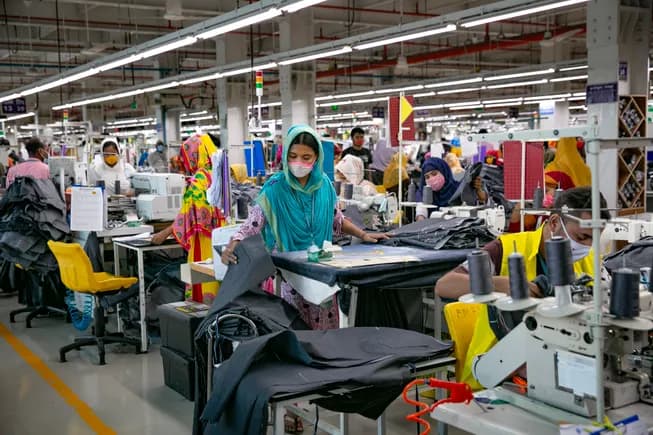
Mönchengladbach just got a sharper industrial ambition: turn textile making into something cleaner, smarter and less dependent on the old offshore playbook. Textile Factory 7.0, launched at the Monforts Quarter, is being built as a technology and development center where robotics, AI, digitalization and biotechnology are meant to meet the sewing floor, not the conference stage.
That matters because fashion and textiles still carry a brutal climate bill. The industry is widely described as responsible for about 10 percent of global CO2 emissions, and Germany’s own sector is still substantial, with industry materials citing about 415,000 people working across roughly 1,400 companies and sales of around €32 billion. Yet the pressure on the business is obvious: the German textile and clothing industry said it suffered a second straight year of recession in 2024, with exports making up about 40 percent of revenues. In that context, a project that promises CO2-neutral, circular and economically viable production is not a branding exercise. It is an attempt to keep manufacturing relevant.
Textile Factory 7.0 brings together the Research Institute for Textiles and Clothing at Niederrhein University of Applied Sciences, the Institute for Textile Technology at RWTH Aachen University, the Association of the Northwest German Textile and Clothing Industry, the Association of the Rhenish Textile and Clothing Industry, Textile Academy NRW, EWMG and WFMG for the city of Mönchengladbach. The cooperation agreement was signed and the first central company established in May 2024, with the project scheduled to start in 2025. By the time the official kick-off took place on March 20, 2026, the message was clear: this was being treated as infrastructure for the next phase of German textile manufacturing.
The project is grouped around On-Demand Manufacturing, MicroFactory Engineering, Digital Textiles and Biosphere, a mix that points to the real industrial wager here. On-demand production could cut overproduction. Microfactories could bring manufacturing closer to demand. Digital systems could trim waste and improve traceability. Circular design could make recycling less of an afterthought and more of a production rule. The hard part is not the vocabulary. It is making those systems efficient enough to compete with conventional supply chains on cost, speed and reliability.

That is where the regional pitch gets serious. Silke Krebs, the North Rhine-Westphalia state secretary, framed the project as part of the transformation of the Rhenish mining region into a modern industrial hub. Mönchengladbach mayor Felix Heinrichs said it strengthens the city as a business location and supports future-proof jobs. For a city looking to convert industrial history into industrial future, the factory is meant to be more than a lab: it is a test bed for whether sustainable reindustrialization can move from concept to commercial scale.
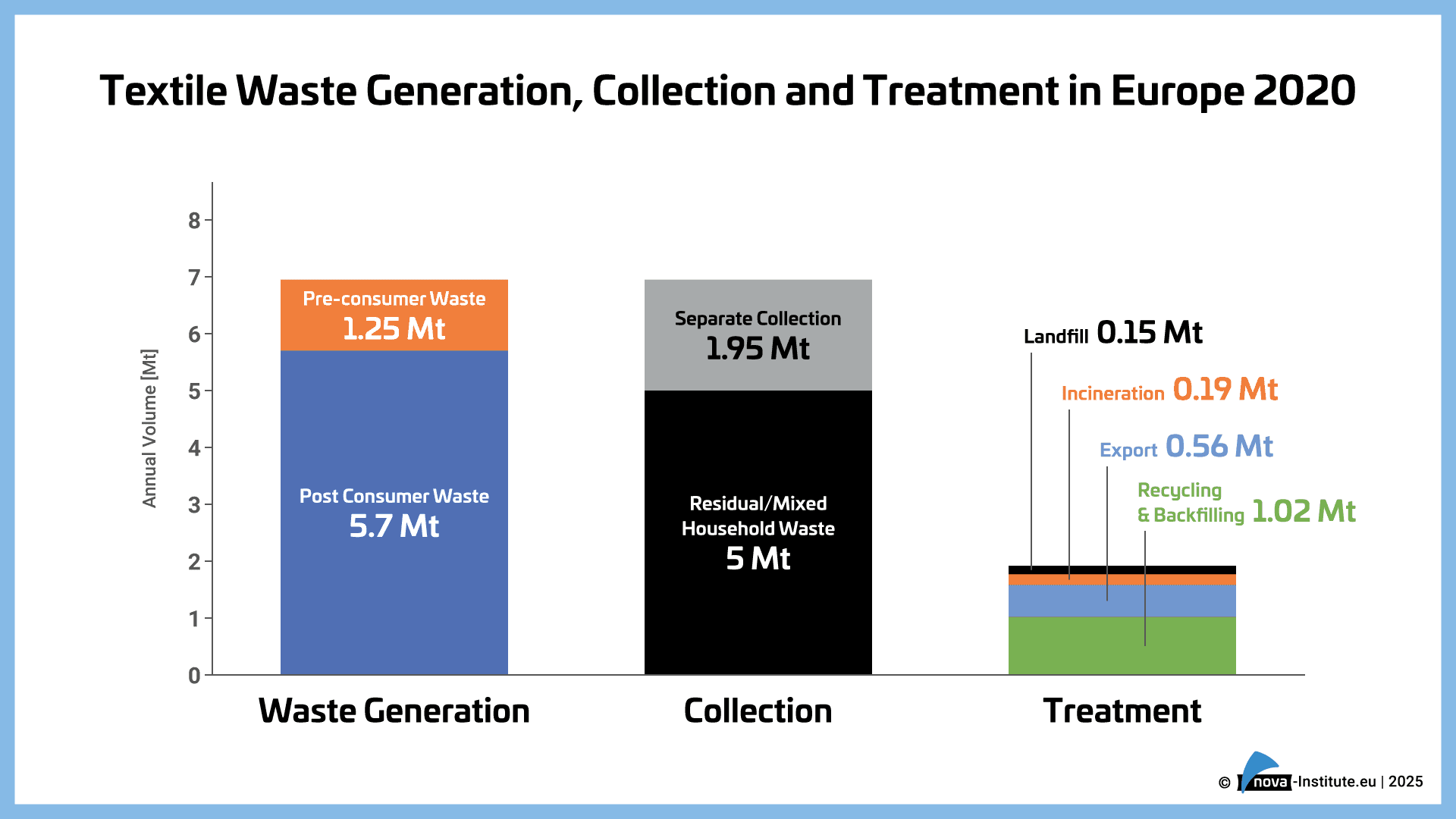
The timing is no accident. Germany’s National Circular Economy Strategy says Germans consume nearly 19 kilograms of textiles per person each year, amounting to 1.56 million tonnes, while around 1 million tonnes of waste textiles are collected annually. EURATEX says the European textile industry, with nearly 200,000 companies and 1.3 million workers, is operating under geopolitical unrest, an energy crisis, weak consumer confidence and a wave of new regulation. Textile Factory 7.0 is trying to answer that pressure with something rarer than a slogan: a working model for how the industry might make less waste, emit less carbon and still make money.
This article was produced by Prism’s automated news system from verified source data, official records, and press releases, then run through automated quality and moderation checks before publishing. The system is built and supervised by the people who set the standards it runs under. Read our full AI policy.
Did this article answer your question?