Germany targets Shein over hazardous chemicals in fast-fashion clothing
Germany is moving against Shein after tests found hazardous chemicals in 15 of 18 items, including a teen jacket with PFAS at 12,000 times the legal limit.

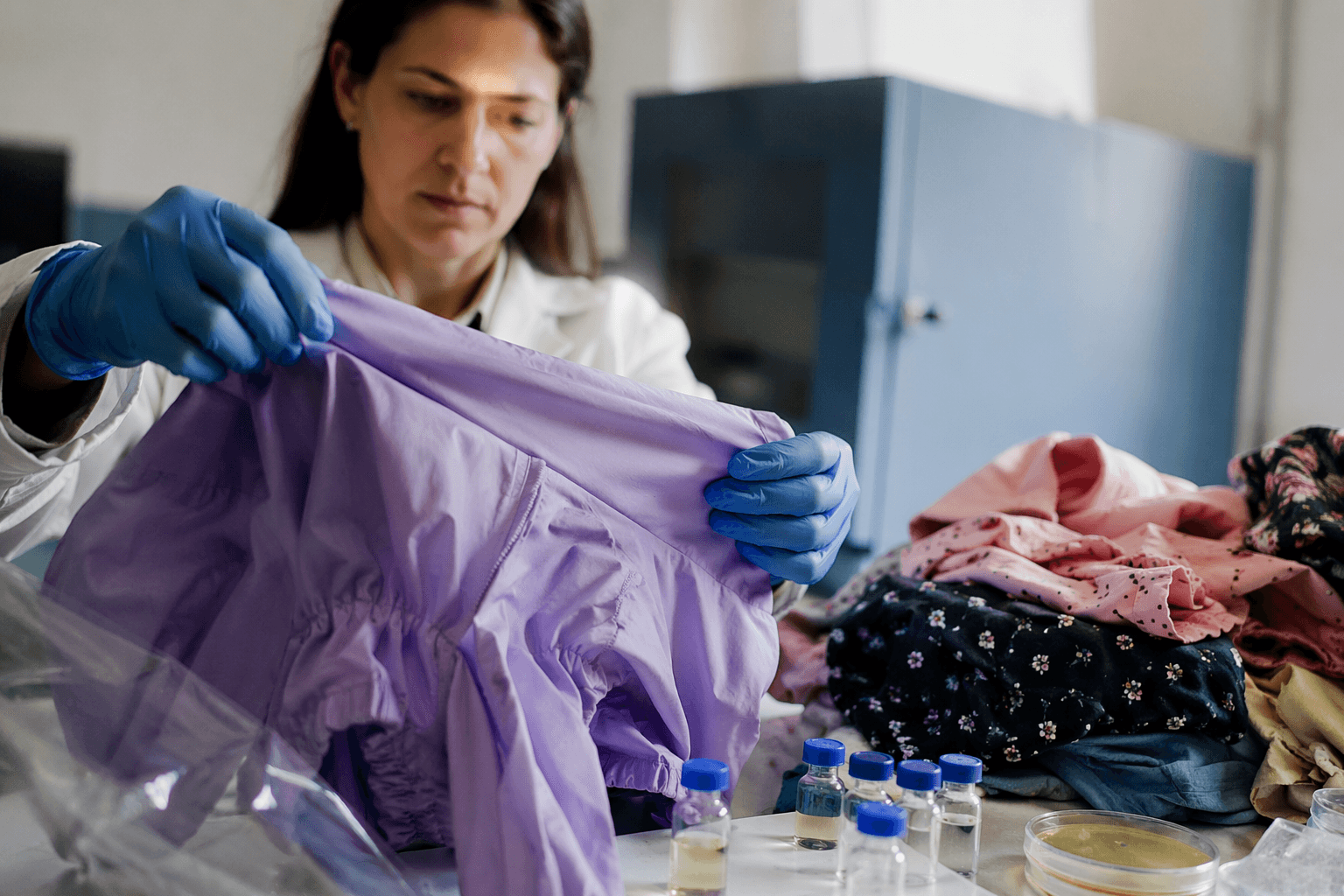
The Bremen Environmental Institute found hazardous chemicals in 15 of 18 tested Shein items, including a children’s jacket and a jacket marketed to teenagers with PFAS levels far above EU limits. Deutsche Umwelthilfe is taking legal action against Shein. Seven garments breached the rules outright.
Ulrike Siemers, the institute’s co-director, called the findings “a colourful cocktail of chemicals.” The lab detected heavy metals, plasticizers and PFAS. In one children’s jacket, PFAS exceeded the limit by more than 1,100 times; in the teen jacket, the breach was more than 12,000 times. Shein said it was taking the allegations “very seriously,” was investigating, and would temporarily remove the affected products from global sale while it reviewed comparable items site-wide.
In November 2025, Greenpeace Germany found that 18 of 56 Shein garments and shoes exceeded EU REACH limits, including children’s clothing. DUH says Shein can add up to 9,000 new designs a day. Germany consumes about 26 kilograms of textiles per person a year, 55 percent more textiles are now discarded than a decade ago, and less than 1 percent of textiles worldwide are recycled into new textiles, DUH says. Around a third of the PFAS used in Europe go into the textile sector, DUH says.
In Germany, DUH has already forced Shein to back off unsubstantiated net-zero claims. In Brussels, BEUC and 25 member organizations from 21 countries filed a complaint with the European Commission over Shein’s dark patterns, and the Commission has already opened its own consumer-law investigation. Germany is also due to shape national implementation of the EU textiles extended producer responsibility rules by summer 2027.
This article was produced by Prism’s automated news system from verified source data, official records, and press releases, then run through automated quality and moderation checks before publishing. The system is built and supervised by the people who set the standards it runs under. Read our full AI policy.
Did this article answer your question?


