Good On You curates wedding-guest looks from responsible brands
Good On You’s wedding-guest edit treats occasionwear as a reuse problem, spotlighting lower-impact dresses, shoes and bags that can be rented, reworn or resold.
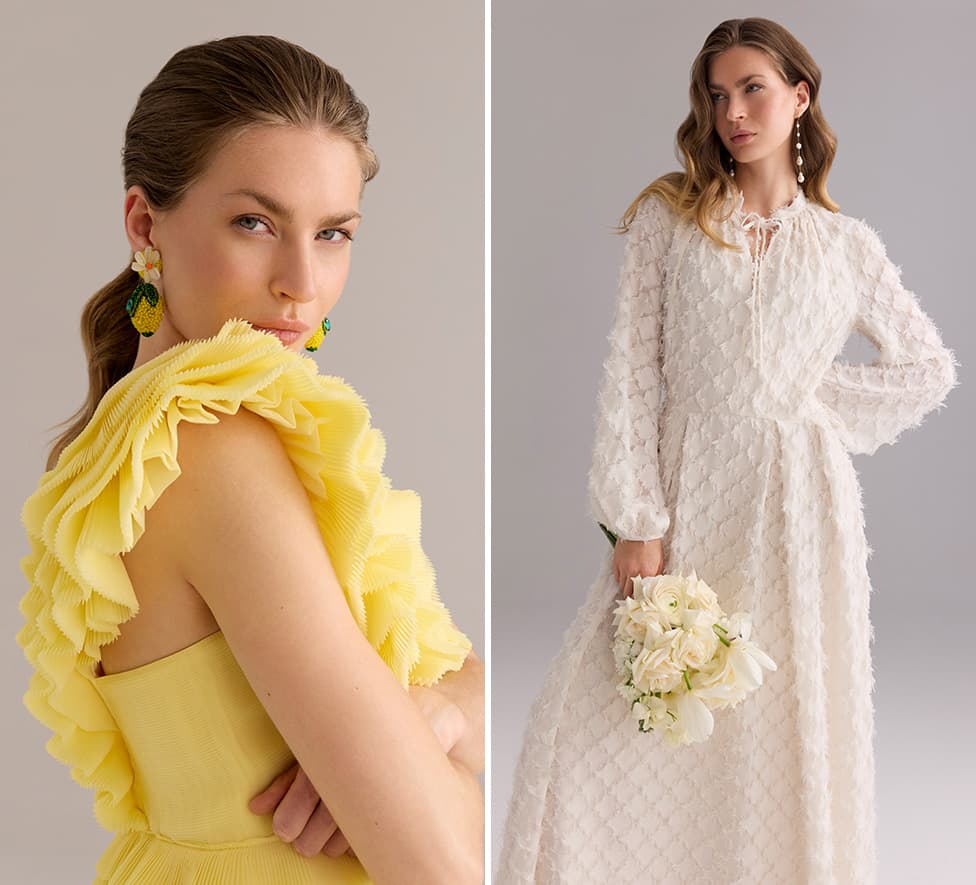
The smartest wedding-guest dressing starts with an uncomfortable truth: the prettiest outfit in the room is often the one worn least. Good On You’s June 2026 edit answers that occasionwear paradox with dresses, shoes, bags and accessories from responsible brands, built for a second outing rather than a single photograph. The message is clear: style still matters, but so does what happens after the confetti settles.
The hidden cost of one-night dressing
Wedding-guest clothes sit inside a wider fashion problem that is far bigger than one RSVP. The textile industry is responsible for 2% to 8% of global greenhouse-gas emissions and uses the equivalent of 86 million Olympic-sized swimming pools of water every year, according to the UN Environment Programme. The scale of waste is just as stark: the UN Environment Programme and UN-Habitat said 92 million tonnes of textile waste are produced globally each year, while garment-use duration fell by 36% even as textile production doubled from 2000 to 2015.
The Ellen MacArthur Foundation’s warning is even more unsettling because it is so ordinary: fashion remains largely linear, with clothes and textiles often burned or buried instead of kept in use. In that light, a wedding guest dress is not a small purchase. It is a test case for whether you are buying something that can live beyond one champagne toast.
What Good On You is really solving
Good On You’s value lies in refusing to treat “responsible” as a mood board label. Its broader editorial framework rests on a rigorous ratings system and thousands of brand ratings, so shoppers can understand fashion’s impact on people and planet before they buy. That matters here, because the guide is not just about finding something pretty for a ceremony. It is about steering attention toward clothes with a longer life.
The edit also pushes against the fantasy that occasionwear must be brand new. Good On You has previously argued that clothing rental can be a better choice for one-off events such as weddings, and that logic sits at the center of this guide. If a dress will only be worn once, renting, buying secondhand, or choosing a piece with genuine rewear potential is a far better answer than feeding the one-time-wear machine.
The price spectrum matters too. More sustainable clothes can cost more than fast fashion, but the guide includes more approachable names such as OMNES, SeamsFriendly and Ninety Percent. That makes the edit feel less like a luxury exception and more like a practical wardrobe strategy for anyone trying to shop with intention.
OMNES, Ninety Percent and Christy Dawn each offer a different route out of disposable dressing
OMNES sits at the accessible end of the list, and Good On You rates it “Good.” The brand uses a high proportion of lower-impact materials, publishes an aggregate breakdown of the materials it uses, minimizes fibre blends to improve recyclability, and uses FSC-certified packaging. Digital printing also helps reduce water use, a detail that feels especially relevant in occasionwear, where decorative impact often comes at a hidden environmental cost. Its own wedding-guest collection is explicitly framed for summer celebrations, garden ceremonies and evening receptions, which makes the clothes feel more versatile than event-only.
Ninety Percent is rated “Great,” and that higher score is rooted in material choice and production impact. Good On You highlights its high proportion of lower-impact materials, including certified organic cotton, alongside efforts to reduce emissions from manufacturing. The appeal here is not just ethical polish. It is that the clothes are designed to sit closer to a real wardrobe than a novelty buy, with enough substance to be worn again without looking overly precious.

Christy Dawn brings a different mood entirely. Good On You describes the United States brand as making vintage-inspired dresses and accessories using deadstock and organic fabrics, while the brand itself talks about “regeneration” and a “Farm-to-Closet” model. That language matters because it suggests a more tactile, almost heirloom-minded approach to occasionwear: clothes that feel romantic, yes, but also rooted in material recovery rather than endless new production.
How to make wedding-guest dressing work harder
The easiest way to escape one-and-done dressing is to shift your thinking from “the outfit” to the components. A dress, shoes, bag and accessories do not all have to carry equal weight, and that is where rewear strategy becomes stylish rather than dutiful. A dress can be rented for a specific event, while a bag or shoe with enough polish can become the constant in your occasionwear rotation.
- Rent the statement piece when the silhouette is too specific to justify owning.
- Buy secondhand for the most dramatic shapes, especially if you only need them once or twice a year.
- Look for versatile cuts and finishings, the kind OMNES signals by offering pieces for summer celebrations, garden ceremonies and evening receptions.
- Invest in accessories that can move beyond the wedding, because a bag or heel is often easier to rewear than a very specific dress.
- Repair before replacing, especially if a hem, strap or lining issue is the only thing standing between you and another outing.
This is where the guide becomes more than a shopping list. It becomes a way to keep special-occasion clothes in circulation, which is exactly what a more circular fashion system requires. The Ellen MacArthur Foundation has long argued for keeping clothes and fibres at their highest value and out of waste streams, and in 2021 more than 65 leading fashion brands, manufacturers and fabric mills had joined its Jeans Redesign initiative. That same systems thinking now sits behind policy pressure too: in March 2025, the UN called on governments to back sustainability and zero-waste initiatives, businesses to move beyond greenwashing, and consumers to use their purchasing power with purpose.
That is why Good On You’s wedding-guest edit lands so well. It treats a single outfit not as a fleeting indulgence, but as part of a larger fashion economy where the best-dressed guest is also the least disposable.
This article was produced by Prism’s automated news system from verified source data, official records, and press releases, then run through automated quality and moderation checks before publishing. The system is built and supervised by the people who set the standards it runs under. Read our full AI policy.
Did this article answer your question?


