Good On You highlights budget-friendly sustainable fashion deals for May
May’s best sustainable deals are less about markdown theater and more about proof: Fairtrade cotton, made-to-order clothes, and plant-based basics at prices that stay within reach.
A sale worth taking seriously
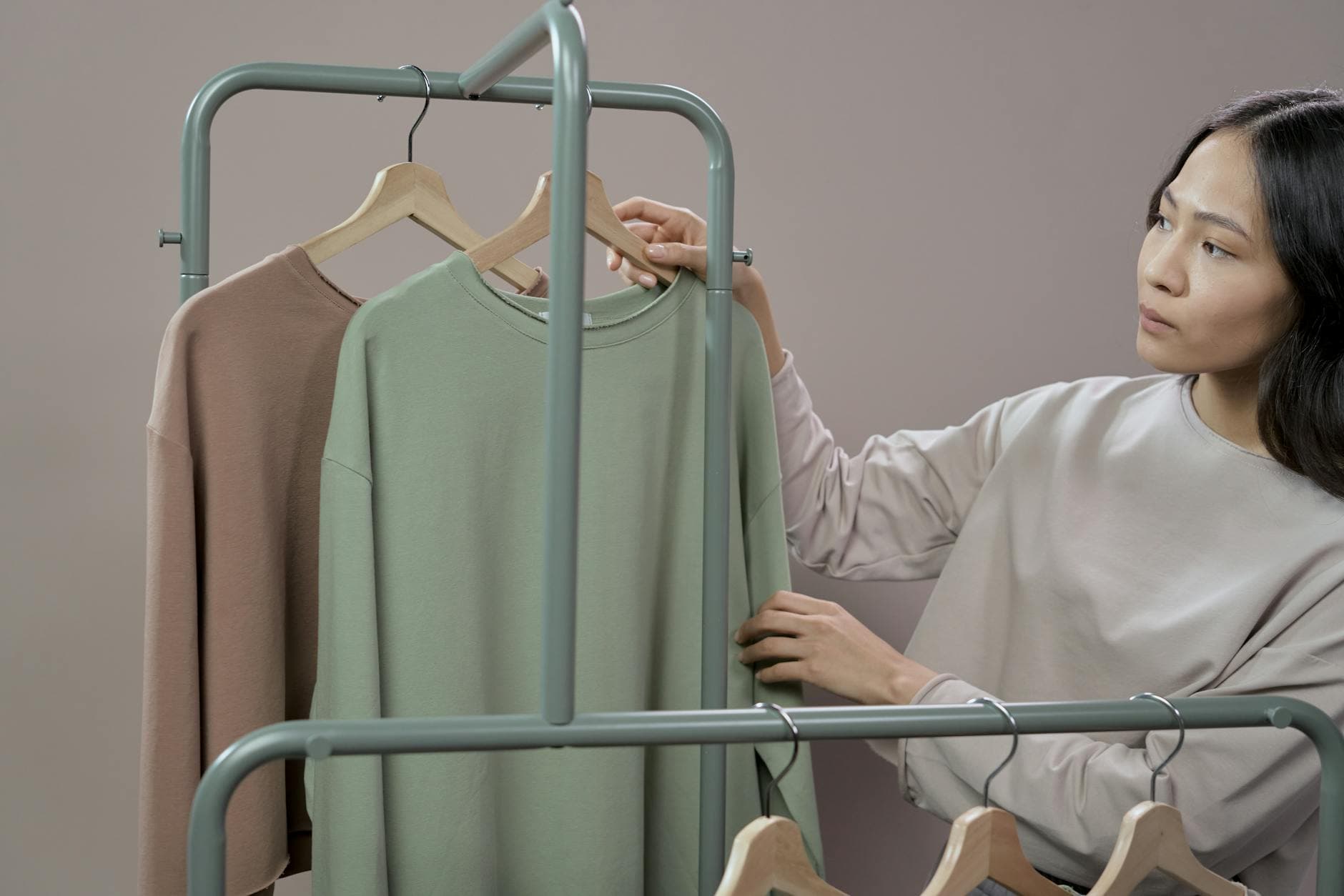
Good On You’s May roundup makes a simple but refreshing argument: sustainable fashion should not be a luxury category by default. The edit is intentionally narrow, limited to brands rated “Good” or “Great,” and it refreshes every Wednesday so only active promotions stay in view. That discipline matters because it separates genuine access from greenwashed excess, the kind of discounting that often just clears shelves without changing how clothes are made.
The result is less flash sale, more reality check. If you are shopping with intent, the question is not whether a banner says sustainable. It is whether the price drop actually lowers the barrier to a better-made garment, or whether you are just being nudged to buy the same old overproduction in a cleaner color palette.
What this month’s edit puts in reach
The May 13, 2026 selection spotlights four labels: No Nasties, Dressarte Paris, tentree and POPLINEN. Each offer has its own end date, which keeps the shopping window tight and the decisions sharper. No Nasties’ offer ends on May 19, while Dressarte Paris and tentree run through May 26. POPLINEN is included in the edit as part of the same sustainability-first curation.
That time limit is part of the point. Good On You frames these offers as active, current opportunities, not an evergreen bargain bin. If sustainable shopping is going to become more accessible, it has to feel immediate, practical and actually purchasable now, not someday when the budget magically expands.
The brands that make the case
No Nasties is the most straightforward proof that lower-impact fashion does not have to feel fragile or theoretical. Good On You rates it “Good,” and the brand uses Fairtrade organic cotton in India. That mix matters because cotton can be one of the easiest fabrics to understand visually and tactically: soft, breathable, familiar, and, when sourced with more care, far less loaded with the hidden costs of conventional production.
Dressarte Paris plays a more polished game. Good On You rates it “Great,” and the brand works with made-to-order production and lower-impact surplus materials. In practical terms, that means fewer speculative piles of stock and more deliberate, exacting production. The clothes may read as luxury, but the operational logic is closer to restraint than excess, which is exactly the kind of shift sustainable fashion needs if it wants to move beyond token capsule collections.
tentree takes a different route to credibility. The brand plants ten trees for every item purchased and says it has already planted more than 65 million trees. That kind of claim is easy to admire and also easy to oversimplify, so the better way to read it is as a signal of scale: tentree is not presenting sustainability as an accessory, but as a measurable action attached to each purchase. Its offer runs through May 26, giving shoppers a bit more time to decide whether they want a deal that comes with a tree-planting promise.
POPLINEN rounds out the edit with a more everyday proposition. Good On You rates it “Good,” and the brand offers plant-based essentials in sizes XS to 3X. That size range is not a side note. If sustainable fashion is supposed to be more accessible, inclusivity has to show up in fit as well as in price, because there is nothing particularly conscious about an edit that only serves a narrow body range.
Why the discount window matters more than the slogan
The sharpest thing about this roundup is that it asks readers to think beyond the label. A lower price is only part of the value equation. The rest comes from the fabric, the production model, the scale of waste avoided and the degree to which a brand’s sustainability claims are embedded in how it operates.
- No Nasties brings traceability through Fairtrade organic cotton.
- Dressarte Paris leans on made-to-order production and surplus materials, which reduces the likelihood of unsold overflow.
- tentree attaches each sale to a concrete environmental action.
- POPLINEN signals access through both plant-based basics and an inclusive size run.
Those differences matter because sustainability is not one aesthetic. A cotton tee, a custom garment, an impact-driven basic and a tree-linked purchase each solve a different problem. The smartest shopper is not chasing a single idealized “eco” item. The smarter move is matching the product to the gap it closes, whether that gap is cost, fit, material choice or waste reduction.
The bigger climate backdrop
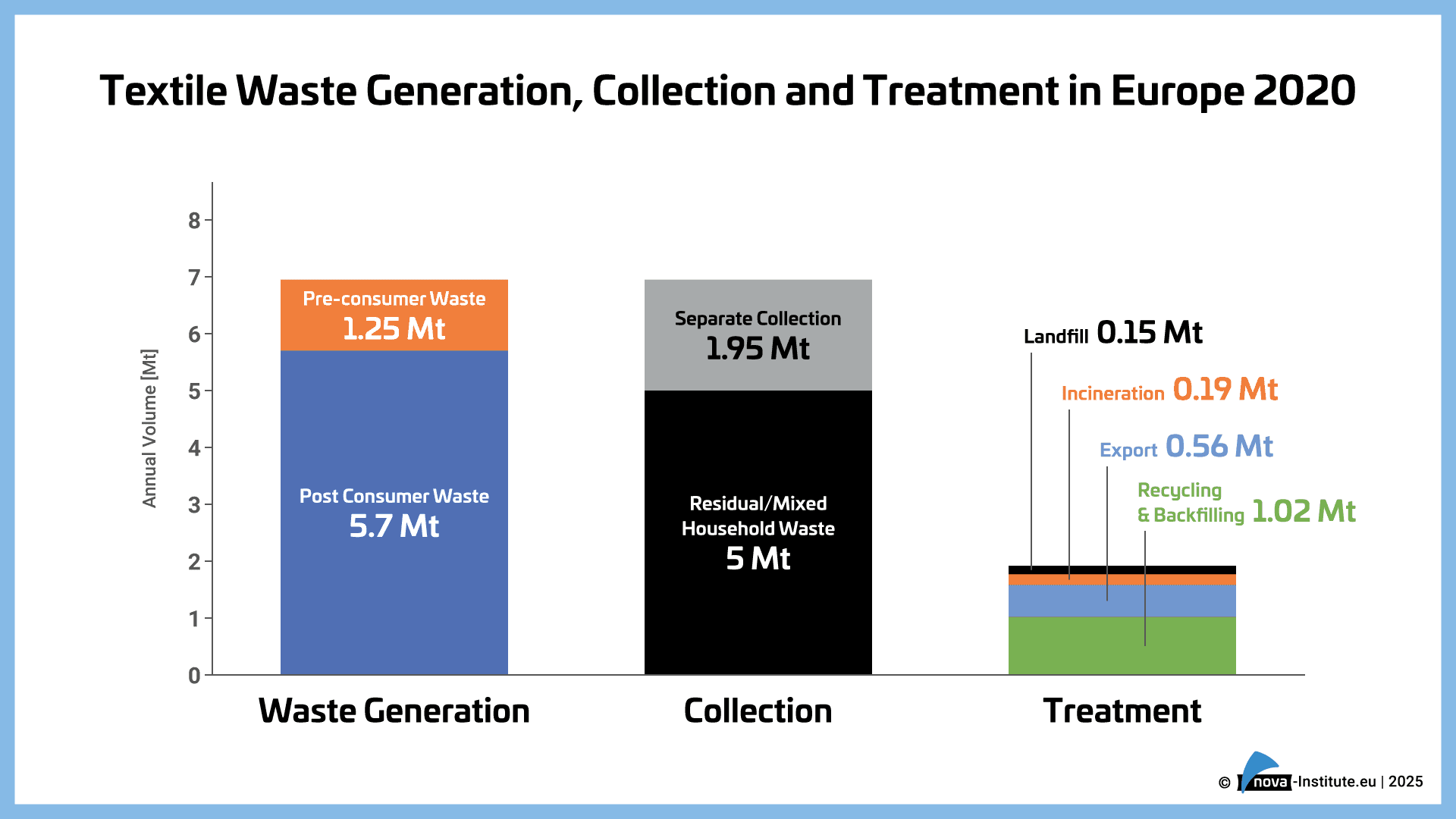
Good On You’s sale edit lands inside a much larger problem. The Ellen MacArthur Foundation says fashion remains largely linear, and its circular-fashion work argues for keeping products and materials in use at their highest value through resale, rental, repair and remaking. It also warns that every second the equivalent of a rubbish truckload of clothes is burned or buried in landfill. That is the scale of the waste problem this kind of shopping is trying, however modestly, to interrupt.
UN Climate Change has drawn the same line from a different angle. The Fashion Industry Charter for Climate Action was launched at COP24 in Katowice in December 2018 and renewed at COP26 in Glasgow in November 2021. Its target is net-zero greenhouse gas emissions across the fashion sector by 2050, with substantial progress by 2030. In other words, the industry has already written its own climate obligation into the record. Discount season is now part of the test of whether those ambitions ever reach the hanger.
Why Good On You’s broader May coverage matters
The timing is not accidental. Good On You’s May coverage also includes Etsy’s incoming fur ban and a lawsuit against Levi’s, reminders that sustainable fashion is being shaped by policy pressure, legal scrutiny and platform rules, not just branding. Its guide to affordable sustainable brands makes another important point: higher prices in ethical fashion often reflect lower-impact materials and living wages rather than marketing fluff.
That is the cleanest way to read this month’s deals. The best offers are not simply cheaper versions of the same shopping habit. They are small concessions from brands that are trying, in different ways, to reduce waste, reduce overproduction and make better clothes available without pushing the bill into the hundreds. In a market that still runs on excess, that is not a gimmick. It is the beginning of accessibility.
This article was produced by Prism’s automated news system from verified source data, official records, and press releases, then run through automated quality and moderation checks before publishing. The system is built and supervised by the people who set the standards it runs under. Read our full AI policy.
Did this article answer your question?