Great British Wool Revival summit spotlights circular British wool supply chain
British wool's price rebound met fashion strategy at Dumfries House, where a two-day summit linked farmers, spinners and brands in a rare farm-to-fashion reset.
British wool is no longer being discussed only as a heritage fibre. At Dumfries House in Scotland, the Great British Wool Revival summit put the economics of the supply chain front and centre, testing whether a British fleece can be turned into a circular, commercially reliable material system that reaches from farm gate to fashion rail.
The two-day summit, held on 19 and 20 May 2026, was billed as a strictly limited, first-ever clip-to-consumer gathering. Farmers, designers, students and industry figures came together with manufacturers, brands, innovators and creatives to talk through textile innovation, circularity and the future of British wool. That framing mattered: this was not a mood-board exercise. It was a sourcing conversation about how wool moves, who adds value to it, and where that value has too often leaked out of the UK.
The initiative was launched in September 2024 by Tamara Cincik in collaboration with The King’s Foundation, and developed through Fashion Roundtable’s Future Textiles work. YOOX NET-A-PORTER funded the project as part of its 2024 Modern Artisan programme, giving the summit an unusual blend of heritage, policy and luxury-sector backing. The agenda ranged across regenerative fashion and fibre systems, textile manufacturing and regional skills, wool innovation and material research, education and pathways into craft, circular business models and resale ecosystems, and the role of natural fibres in sustainable luxury.
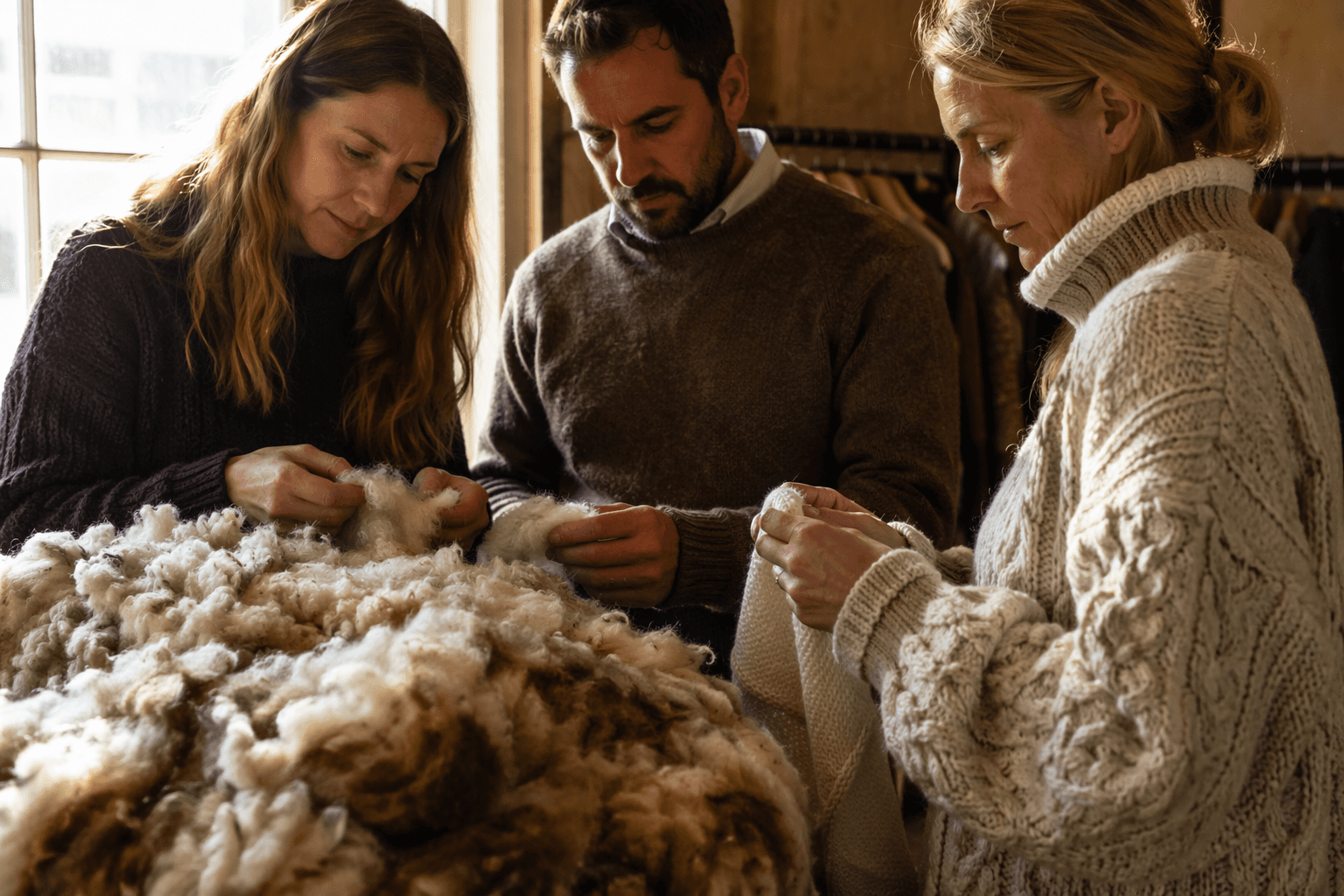
Ashleigh Douglas, future textiles manager for The King’s Foundation at Dumfries House, said the summit had “decisively cemented” collaboration between farmers and fashion, and placed it “a decade on from the signing of the Dumfries House Wool Declaration” in 2016. That timeline gave the event its strongest charge. British wool is not being revived in a vacuum; it is being pushed through a longer campaign that now has to prove itself in pricing, processing and procurement.
There is evidence the market is listening. British Wool said returns for the 2025 clip year reached a 10-year high, with average returns 70 percent higher than the previous year, and that demand has continued into 2026. Fashion Roundtable said its Great British Wool Revival map had expanded to more than 200 brands and businesses within six months, a sign that interest is moving beyond sentiment and into a wider commercial network.
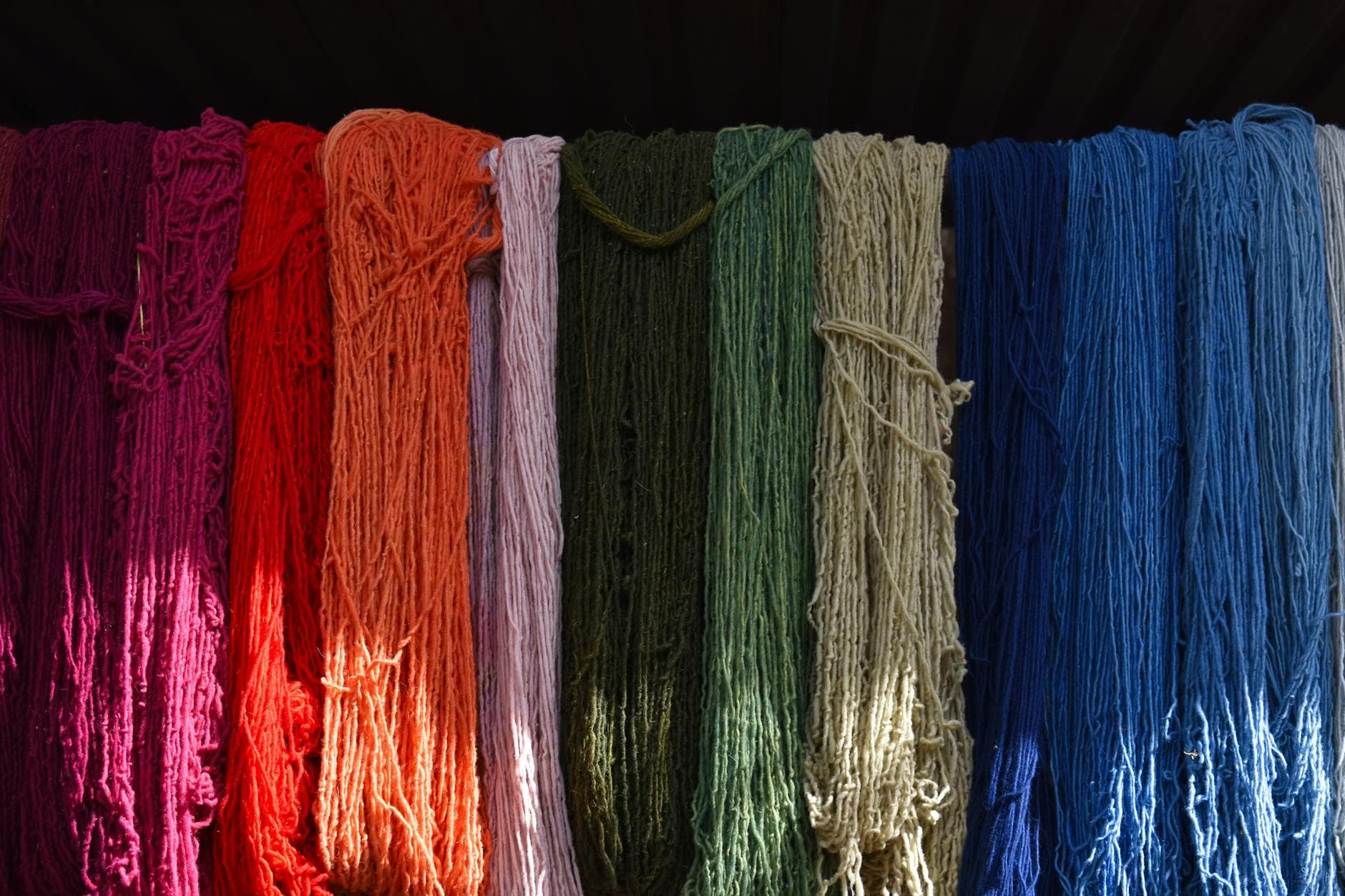
The real test now is whether that network can hold. British wool will only become a meaningful regenerative fibre system if farmers, spinners, manufacturers and brands keep aligning on fibre specs, processing capacity and repeat orders. Dumfries House made the pitch elegantly; the next stage is less romantic, and far more important.
This article was produced by Prism’s automated news system from verified source data, official records, and press releases, then run through automated quality and moderation checks before publishing. The system is built and supervised by the people who set the standards it runs under. Read our full AI policy.
Did this article answer your question?


