Guppyfriend launches TV campaign to tackle microplastic pollution from sportswear
A single runner’s kit could shed more than 14 million microplastic fibres in 16 weeks, and GUPPYFRIEND took that warning to TV.
GUPPYFRIEND turned a simple wash-cycle problem into a hard number: one marathon runner’s clothes could release more than 14 million microplastic fibres over a typical 16-week training cycle. Stretch that across all marathon participants, and the brand estimates about 800 billion fibres could enter waterways.
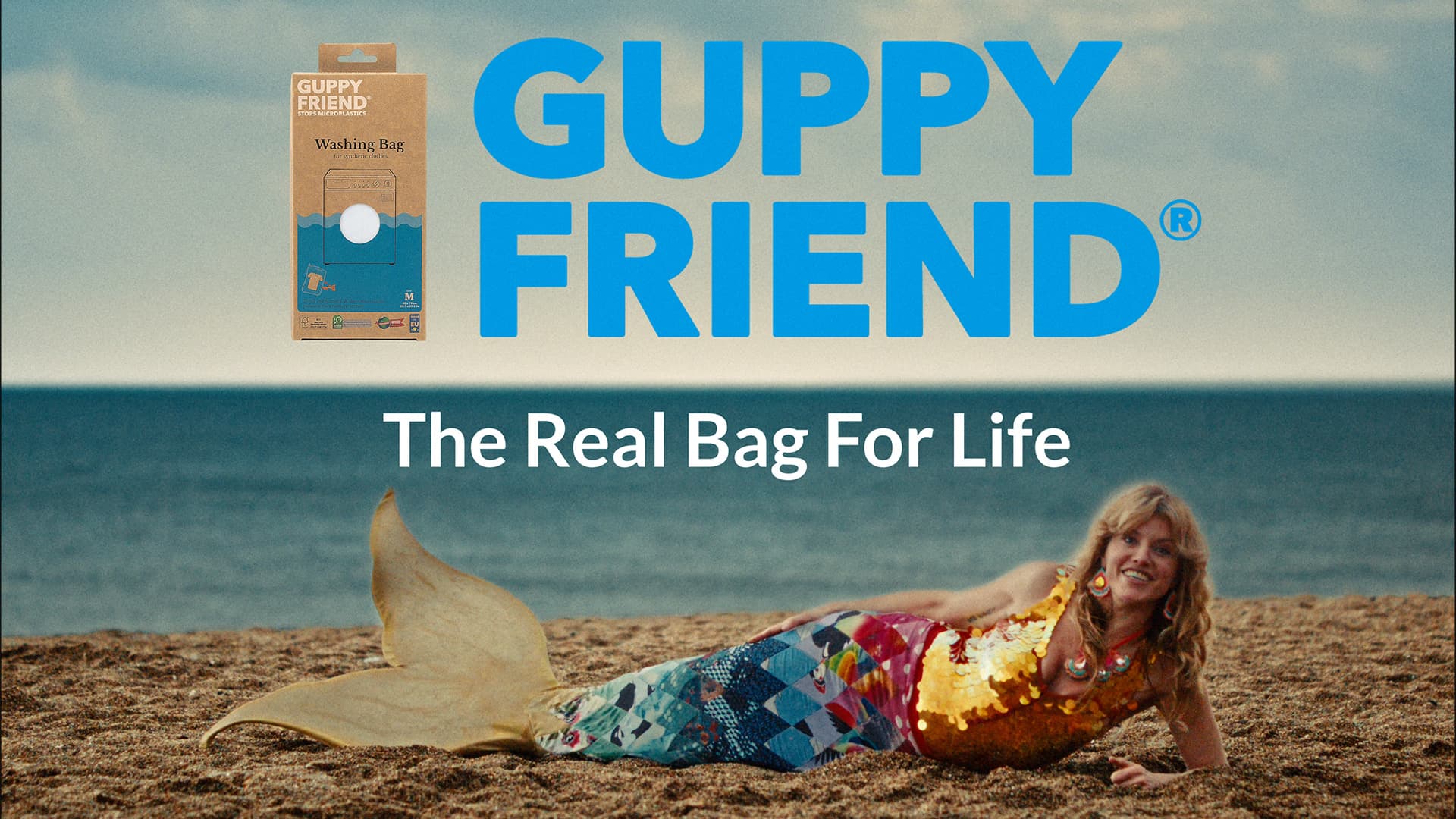
The company used that warning to launch “The Real Bag For Life”, its first-ever TV campaign. The ad began airing across Sky channels in the UK from 10 May 2026, backed by Sky Media’s Sky Zero Footprint Fund, which awarded GUPPYFRIEND £200,000 in advertising as a Disruptor category winner. Timed around the London Marathon, the campaign framed microfiber shedding as an ordinary habit with outsized consequences, not a niche sustainability talking point.
GUPPYFRIEND said synthetic textiles were responsible for an estimated 35% of microplastic pollution in oceans and rivers, and that 70% of Britons were not fully aware that polyester and nylon shed plastic fibres during washing. That is the consumer sting here. Performance wear is built to survive sweat, stretch and speed, but every spin cycle can send fibres out of a zip-top, leggings or a running layer and into the water system.
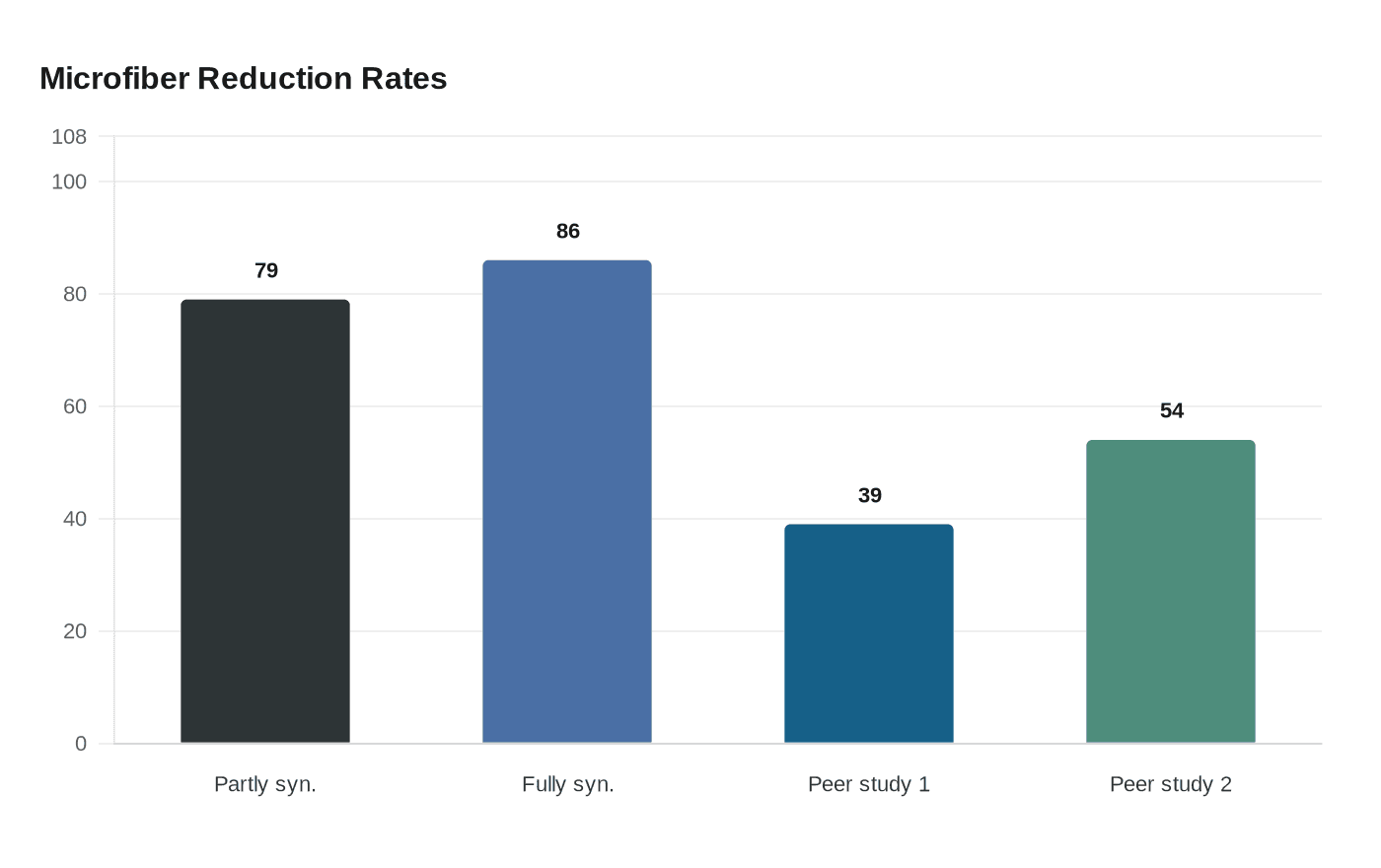
The GUPPYFRIEND Washing Bag itself is hardly a novelty. Alexander Nolte and Oliver Spies designed it in 2016, and the Science Museum Group describes it as a polyester mesh bag made to catch microplastic fibres from clothing during washing. The Nicholas Institute for Energy, Environment & Sustainability also lists it in its plastics inventory as a 2019 German invention. In non-peer-reviewed testing cited by the institute, the bag cut fibre shedding by 79% in partly synthetic clothes and 86% in completely synthetic clothing. Separate peer-reviewed studies found microfiber capture of 39% and 54 ± 14%.
That is useful progress, but it is not the whole answer. A wash bag can intercept fibres already on their way out; the bigger reductions will come from buying less synthetic performance wear, washing it less often and keeping technical pieces in rotation longer. WWF-UK has called GUPPYFRIEND a pragmatic solution, and that feels right. It is a stopgap for a problem that begins in the wardrobe, then repeats in the machine, again and again.
This article was produced by Prism’s automated news system from verified source data, official records, and press releases, then run through automated quality and moderation checks before publishing. The system is built and supervised by the people who set the standards it runs under. Read our full AI policy.
Did this article answer your question?