H&M trims Bangladesh orders, raising factory closure fears
H&M cut orders from more than half a dozen Bangladesh factories, stoking closure fears in a sector that earns over 80% of the country's export revenue.

H&M’s latest sourcing trim landed hard in Bangladesh, where suppliers said reduced orders from more than half a dozen factories could tip already thin operations into closure and cost jobs across a supply chain that depends on every shipment. The shift also pointed to a broader recalibration, with some volume moving toward India and a separate Myanmar supplier shutdown underscoring how fast brand decisions can ricochet through factories long after the runway noise fades.
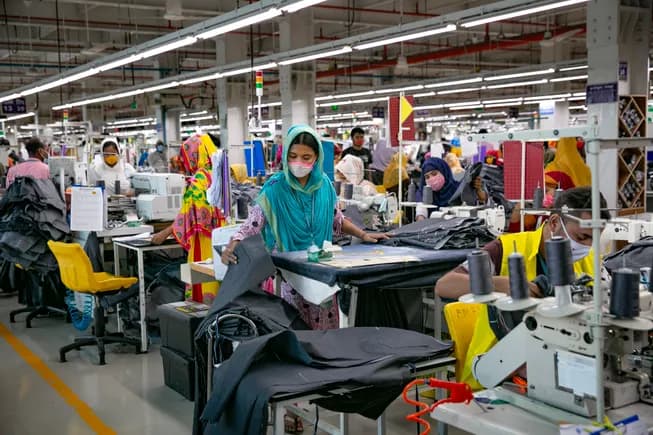
Bangladesh is not a side market for H&M. The company said it has sourced from the country since the early 1980s and still describes Bangladesh as a very important sourcing market. Its supply-chain disclosure puts the scale at more than 554 commercial product suppliers operating through over 969 tier-1 factories across Europe, Asia and North America, and supplier-list reporting has pegged H&M’s Bangladesh network at about 1,000 factories. When one retailer starts easing back, the pressure does not stop at one plant gate. It lands on cutting rooms, dye houses, subcontractors and the workers who rely on steady weekly production to keep income flowing.
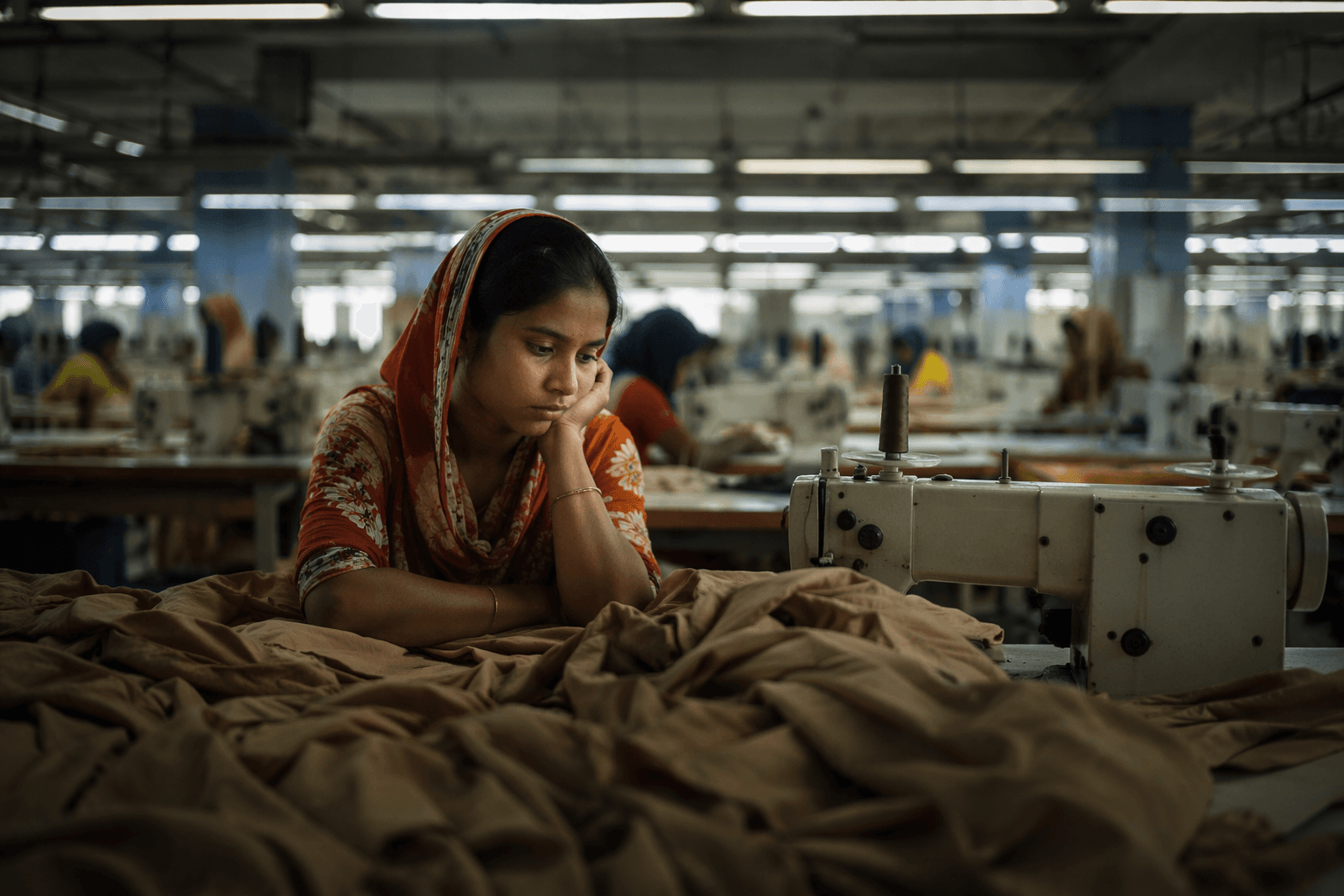
That matters in Bangladesh more than almost anywhere else. The country’s garment and textile industries generate more than 80% of export earnings, according to World Bank and industry sources, and employ roughly 4 million to 4.5 million people, mostly women. In that context, even a measured pullback from a global buyer is not a routine portfolio adjustment. It is a stress test for factories that often operate on razor-thin margins, with little cushion when order books shrink.
Faruque Hassan of the Bangladesh Garment Manufacturers and Exporters Association has said the confidence and trust built between H&M Group and Bangladeshi supplier factories made Bangladesh the retailer’s largest sourcing market. That relationship is now being tested by a brand strategy that keeps talking about responsibility while shifting volume in ways that can push financial risk down the chain. If H&M wants to call Bangladesh strategically important, it also has to reckon with what happens when it turns the tap down at factory level.
Myanmar showed the same pattern in sharper relief. More than 1,000 garment workers in Yangon’s Shwepyithar Township were expected to lose their jobs when Kings Rich Fashion, an H&M supplier, shut at the end of June after a slump in global orders following the 2021 military coup. H&M said in 2023 that it would gradually phase out sourcing from Myanmar over labor-abuse concerns, joining Inditex, Primark and Marks & Spencer in cutting ties there. The company can keep redrawing its sourcing map, but the real cost is paid on factory floors where stability is the product and sudden order loss is the wrecking ball.
This article was produced by Prism’s automated news system from verified source data, official records, and press releases, then run through automated quality and moderation checks before publishing. The system is built and supervised by the people who set the standards it runs under. Read our full AI policy.
Did this article answer your question?